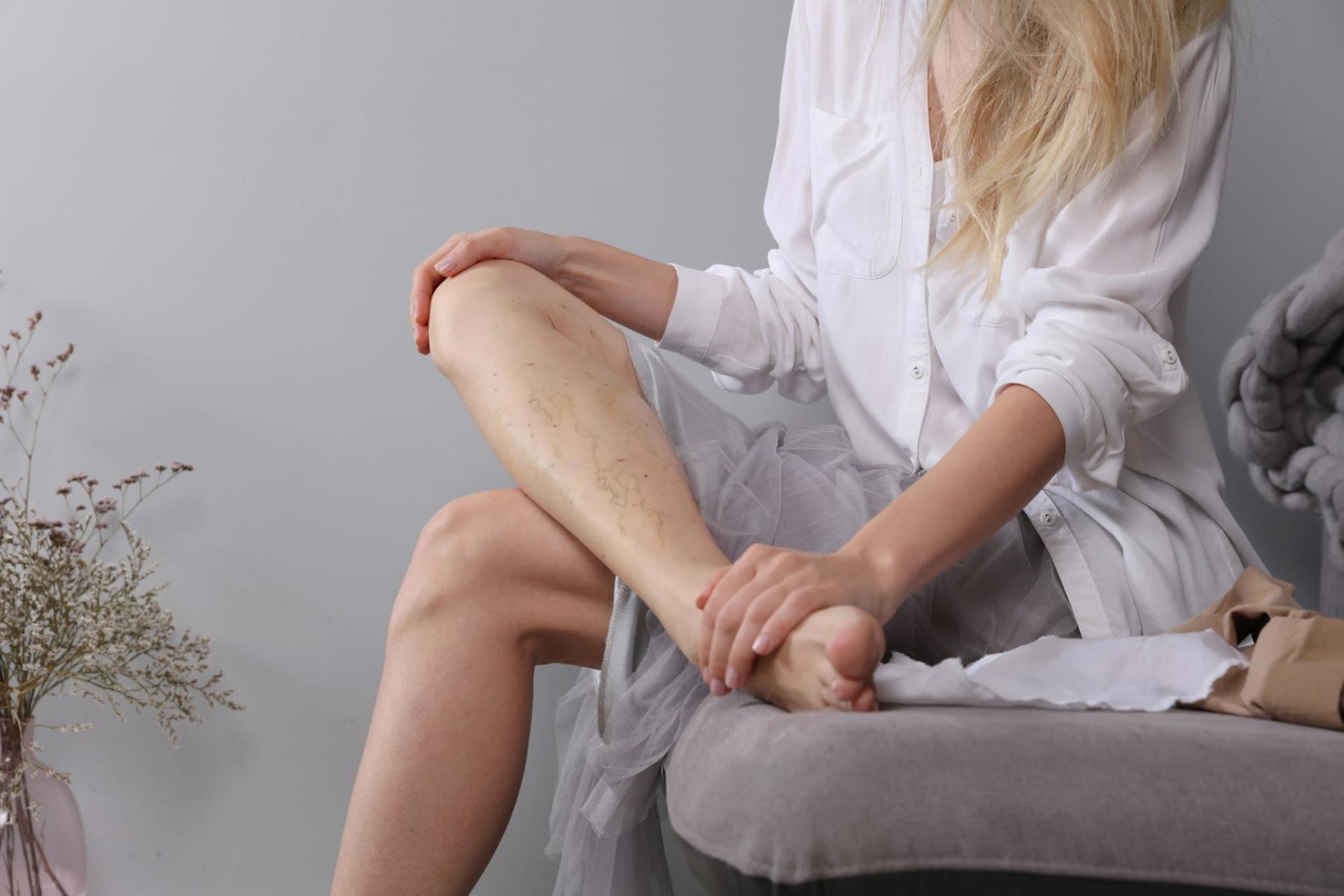
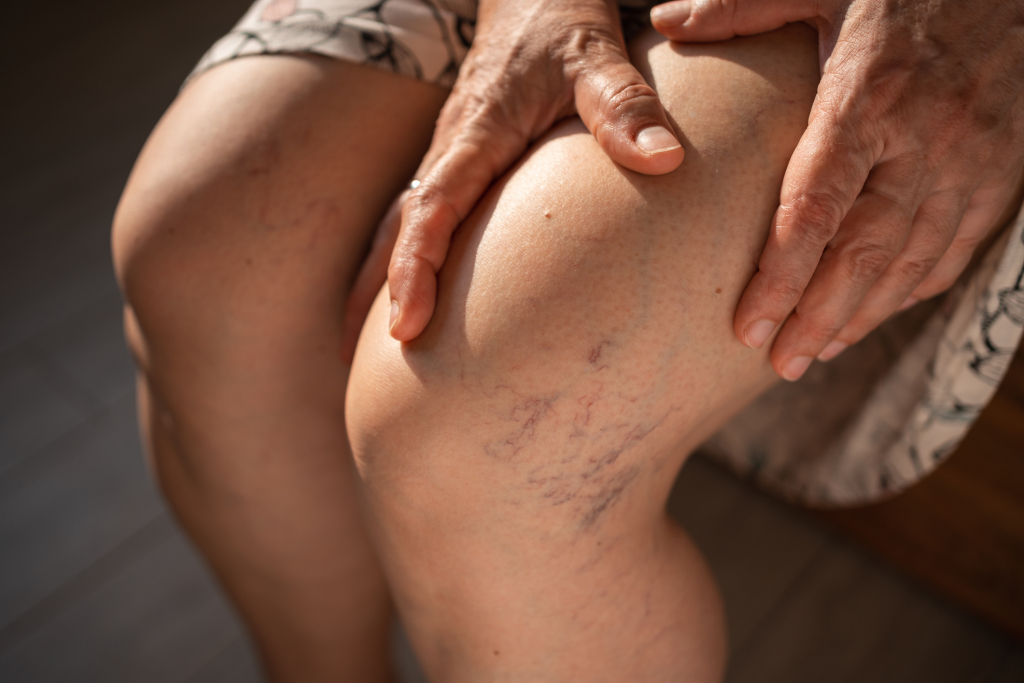
The appearance of varicose veins is a problem that affects not only the older age group but also frequently occurs at a younger age. However, most people are unaware of the practical solutions that can effectively fade these unpleasant changes in a home environment. Varicose veins develop because the venous valves that direct blood toward the heart cannot perform their task properly, leading to blood congestion and dilation of the vessels.
Dietary Changes Against Varicose Veins
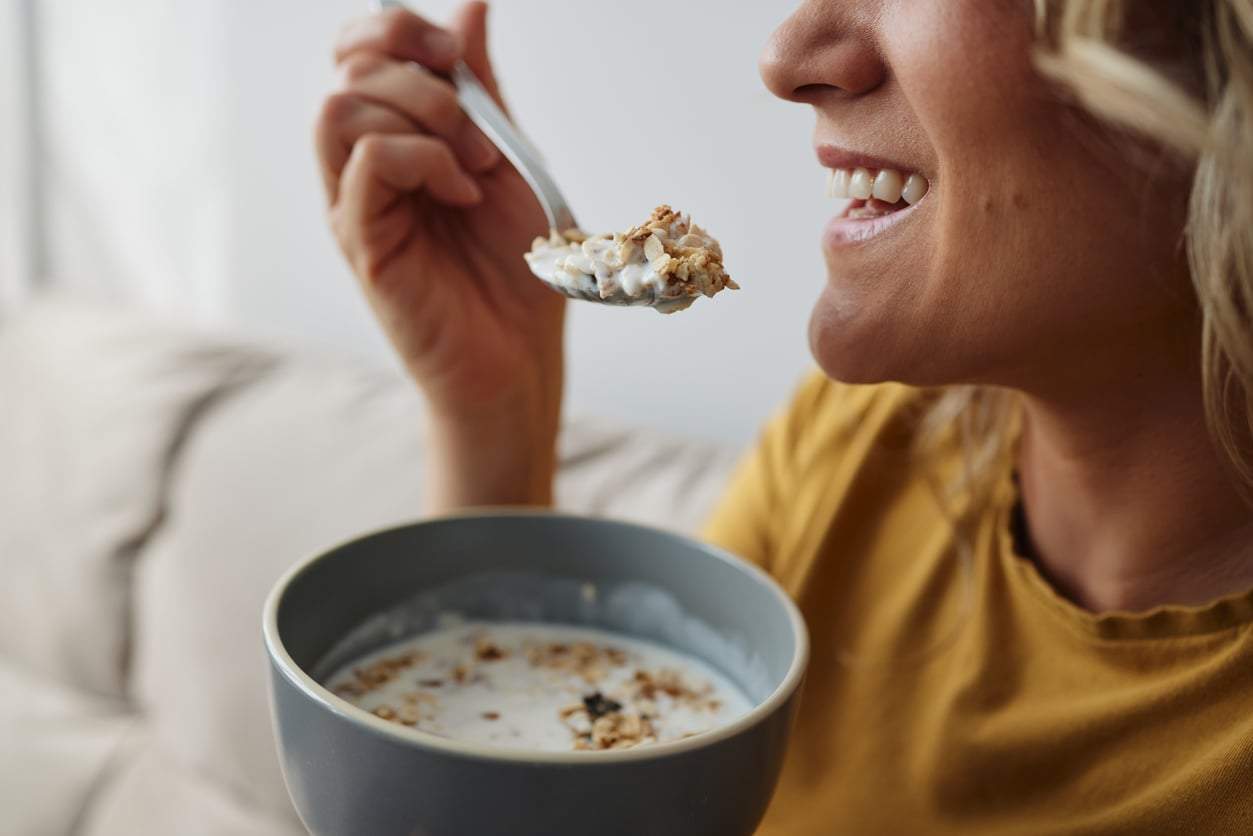
A proper diet plays a key role in preventing the development of varicose veins and alleviating existing conditions. It is recommended to consume foods that help blood circulation and strengthen the walls of the vessels. These include fruits high in antioxidants and vitamin C, such as berries, citrus fruits, and green leafy vegetables.
It is important that our diet contains enough fiber, which promotes proper digestion and thereby directly contributes to the health of the vessels. Healthy fats, such as omega-3 fatty acids, also have a positive effect on the functioning of blood vessels and reduce inflammation.
Regular Exercise for Good Circulation
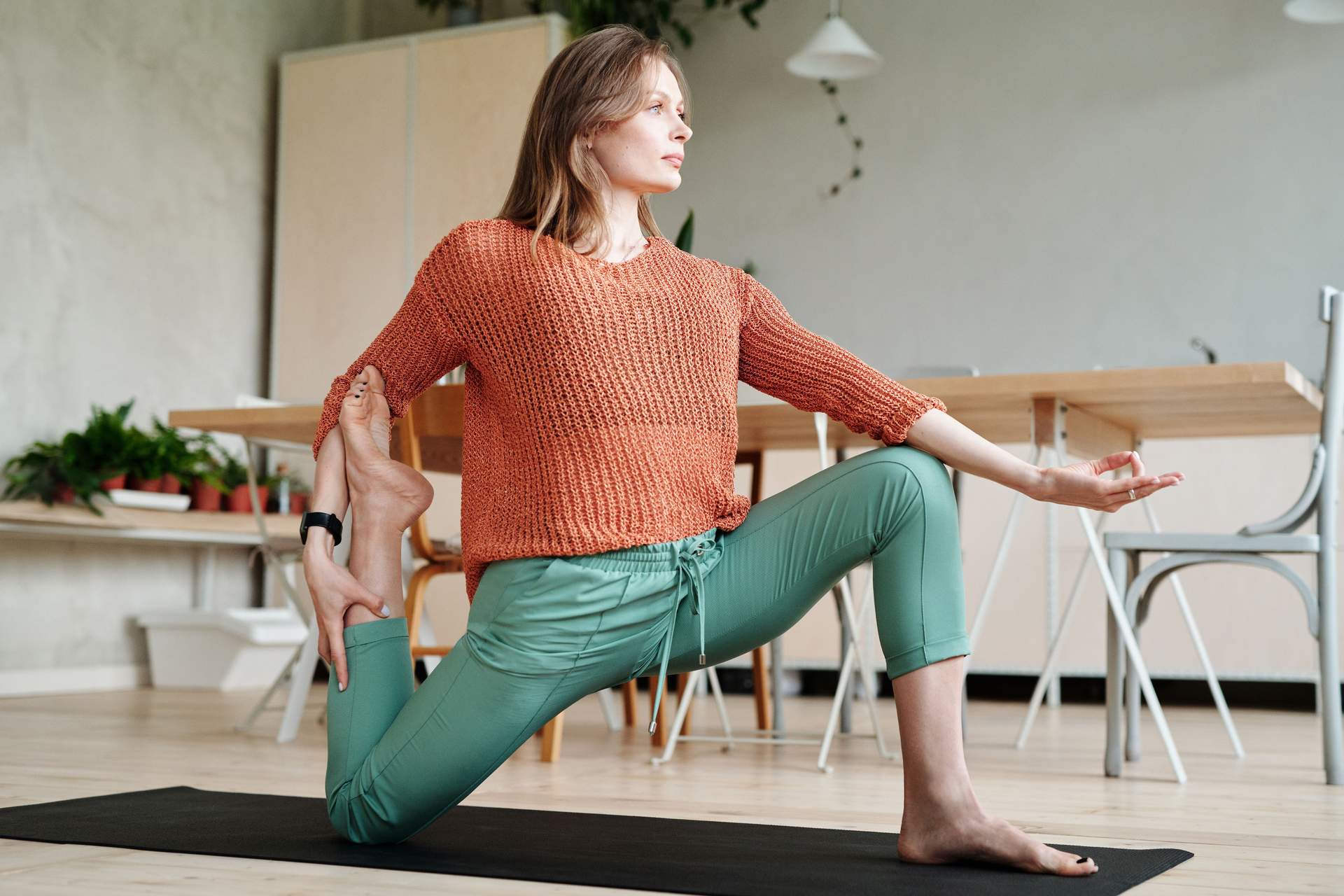
Exercise is one of the most effective tools against varicose veins, as it helps increase blood circulation and reduce the pressure on the veins. Low-intensity forms of exercise such as walking, swimming, cycling, or yoga not only stimulate blood circulation but also support the prevention of varicose veins through muscle strengthening.
Additionally, regular leg elevation or ankle rotations can help relieve leg swelling and tension that appear by the end of the day. If you work in an office, try to stand up and move a little once every hour to avoid venous congestion that can develop as a result of prolonged sitting.
Use of Natural Oils
Natural oils and herbs have long been used in the treatment of varicose veins. Rue oil or cypress oil, known for their beneficial effects on improving venous circulation and reducing swelling, are famous. These oils can be applied locally with gentle massaging movements on the varicose areas, thereby helping to enhance blood flow and strengthen the veins.
The use of menthol-containing products with a refreshing effect can also be helpful, as they may relieve the feeling of heavy legs and reduce the visibility of varicose veins. It is advisable to ensure that the chosen oils are applied to the skin in a pure, natural form to avoid irritation.
Hydration and Varicose Veins Connection
Proper water consumption is fundamental not only for the healthy functioning of the body but also in the fight against varicose veins. Water helps maintain optimal blood volume and keeps the blood in a fluid state, thereby minimizing venous congestion. Always keep a bottle of water with you, especially if you perform sedentary work all day, to ensure regular fluid intake.
Comfortable Clothing That Does Not Hinder Blood Circulation
Tight clothing and uncomfortable shoes can increase venous pressure, contributing to the development of varicose veins. Therefore, it is worth choosing looser clothing made from natural materials for everyday wear. Such types of clothing not only provide comfort but also help skin ventilation, reducing the chance of inflammation.
Wearing compression stockings can be beneficial for blood circulation, as they help reduce venous pressure and support blood return. Make sure to choose a compression device of the appropriate size to maximize its beneficial effects.
Countless Natural Solutions
In the treatment of varicose veins, the importance of natural methods should not be neglected. Be conscious of the everyday details of your lifestyle that can have a significant impact on your health. Simple dietary changes, regular exercise, and the use of natural herbs combined can result in significant changes.
However, if varicose veins already pose a serious problem, it is worth consulting a specialist who can provide appropriate medical treatment. This way, serious complications can be avoided, and you can feel good in your skin again.