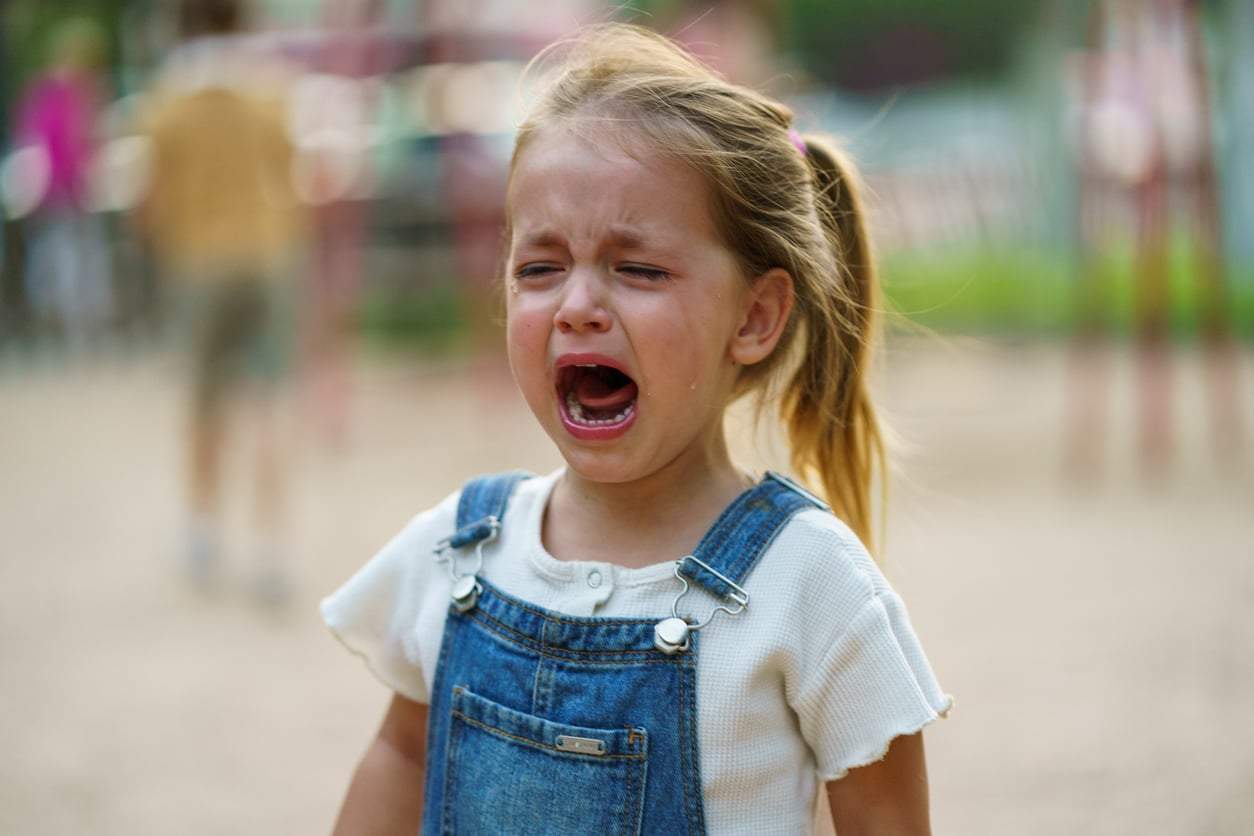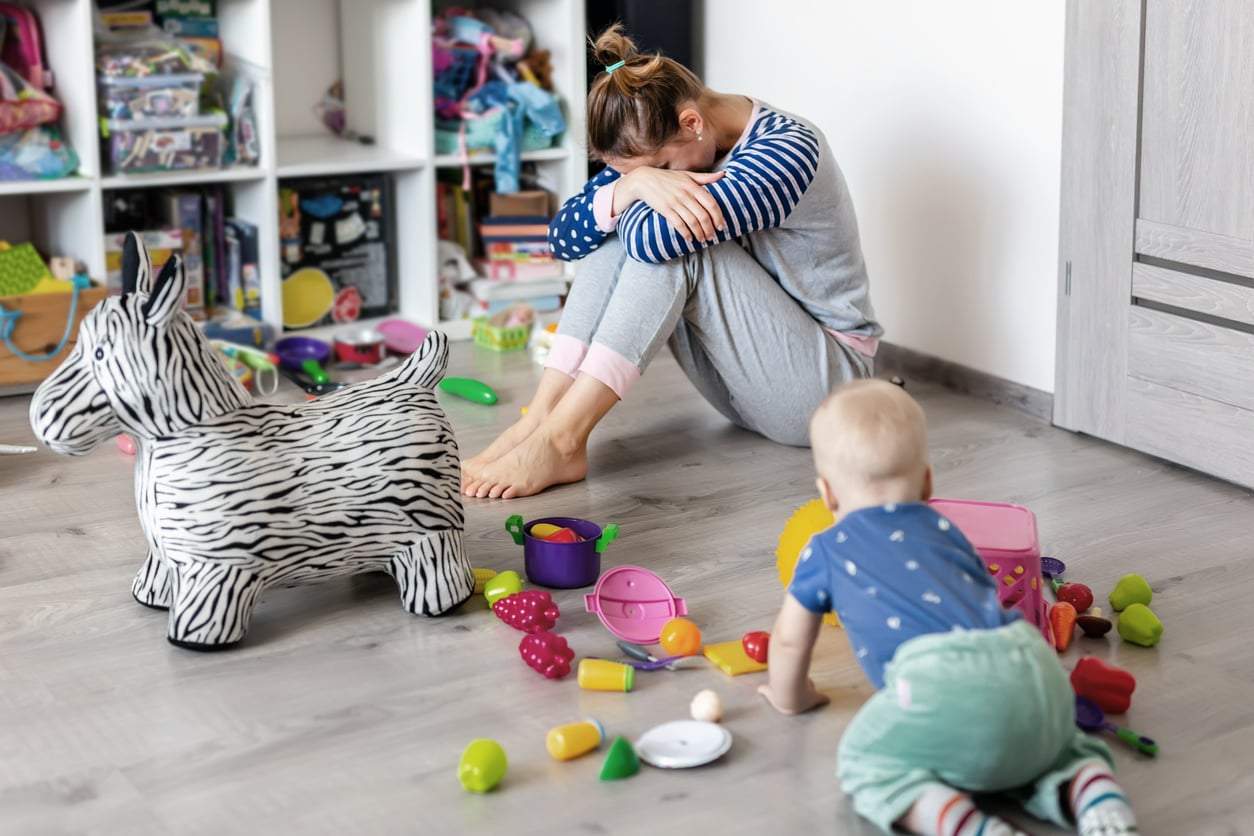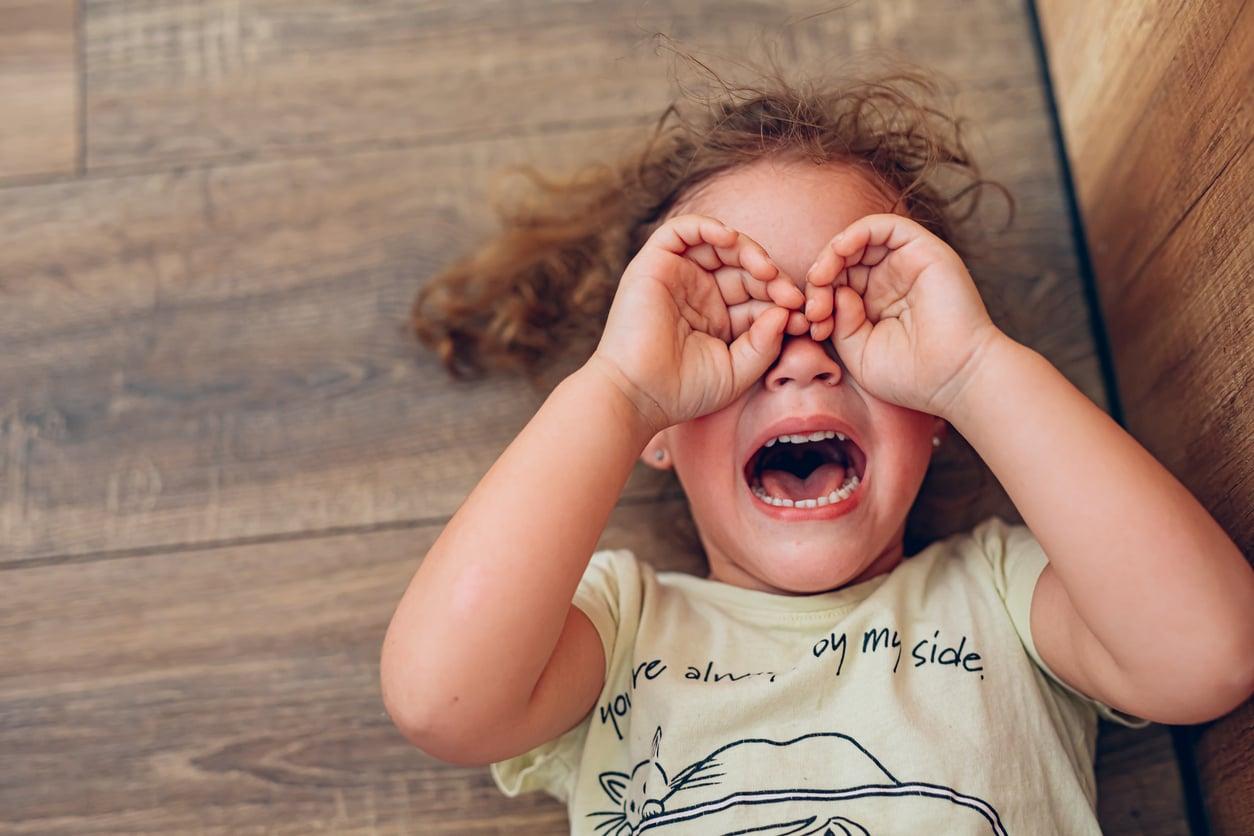
Every child feels emotions more intensely than adults — they're still learning how to process them, after all. But some parents notice something different: their child seems to feel everything more deeply than other kids. A small setback triggers tears that last for hours. A casual remark lands like a personal attack. A minor conflict with a friend can ruin their entire week.
If this sounds familiar, you may be raising a highly sensitive child — and understanding what that actually means can change everything about how you support them.
Psychology calls this trait sensory processing sensitivity, and it's not a disorder or a phase. It's an inborn characteristic that affects roughly 15–20% of children. These kids simply experience the world more intensely — emotionally, socially, and often physically too.
A recent child psychology study identified two particularly telling signs that can help parents recognize whether their child belongs to this group.
1. Their emotional reactions feel disproportionate to the situation
The most visible sign of a highly sensitive child is that their emotional responses are far more intense than the situation seems to call for. This isn't about being dramatic or attention-seeking — they genuinely feel things more strongly than other children do.
A minor failure, a critical comment, or a small conflict can trigger deep and long-lasting anxiety in a sensitive child — long after others have moved on.
You might notice this when your child stays sad or anxious for a long time after a small mistake, experiences a friend's criticism as total rejection, or spends days unsettled after a minor social conflict. They may also worry intensely before social situations — a birthday party, a new class, a sports tryout.
The key here isn't the event itself — it's the intensity of the response. Any child can be upset by these things. But for a highly sensitive child, it's as if their internal emotional volume is turned all the way up.
This is not a weakness. It's a sign that their nervous system processes more information, more deeply. That same intensity is also why these children tend to be remarkably empathetic — they pick up on other people's feelings with striking accuracy.
2. They take feedback deeply personally
The second telling sign is how a sensitive child responds to feedback — even well-intentioned feedback. A highly sensitive child doesn't just hear criticism. They absorb it as a statement about who they are.
Even a constructive comment can land as though they themselves are the problem — not their behavior, not their work, but them.
This happens because sensitive children tend to read deep meaning into situations. Where another child hears "try it a different way," a highly sensitive child feels "I'm not good enough."
Over time, this can show up as excessive self-criticism, a strong need to please others, reluctance to try new things, or a heightened fear of rejection. These patterns aren't defiance or fragility — they're protective responses from a child whose nervous system is working overtime.
There's also a less obvious side to this trait worth knowing: highly sensitive children are deeply reflective. They think more carefully about situations than their peers, often develop strong self-awareness, and with the right support, can build extraordinary emotional intelligence. If you're curious about how this sensitivity plays out in adult relationships too, it's worth exploring how hypersensitivity shapes close connections throughout life.
It's not a problem — it's a different way of experiencing the world
The most important thing to hold onto: hypersensitivity is not a disorder. It's a trait. Research consistently shows that around 15–20% of children are born this way — and that these children are just as capable of thriving as anyone else, often more so.
Sensitive children aren't just more reactive to negative experiences — they're also more responsive to positive ones. The right environment doesn't just help them cope. It helps them flourish.
With understanding and support, highly sensitive children often grow into more empathetic, more creative, and more emotionally intelligent people who build deeper and more meaningful relationships.
The difference frequently lies not in the child, but in how the people around them respond. When a sensitive child is repeatedly told they're "too much" or "too emotional," anxiety tends to follow. But when they're met with patience, safety, and genuine understanding, their sensitivity stops being a burden — and becomes one of their greatest strengths.
If you want to understand more about how to communicate with a child who takes things deeply to heart, learning how to reframe criticism constructively can make a real difference — for both of you.