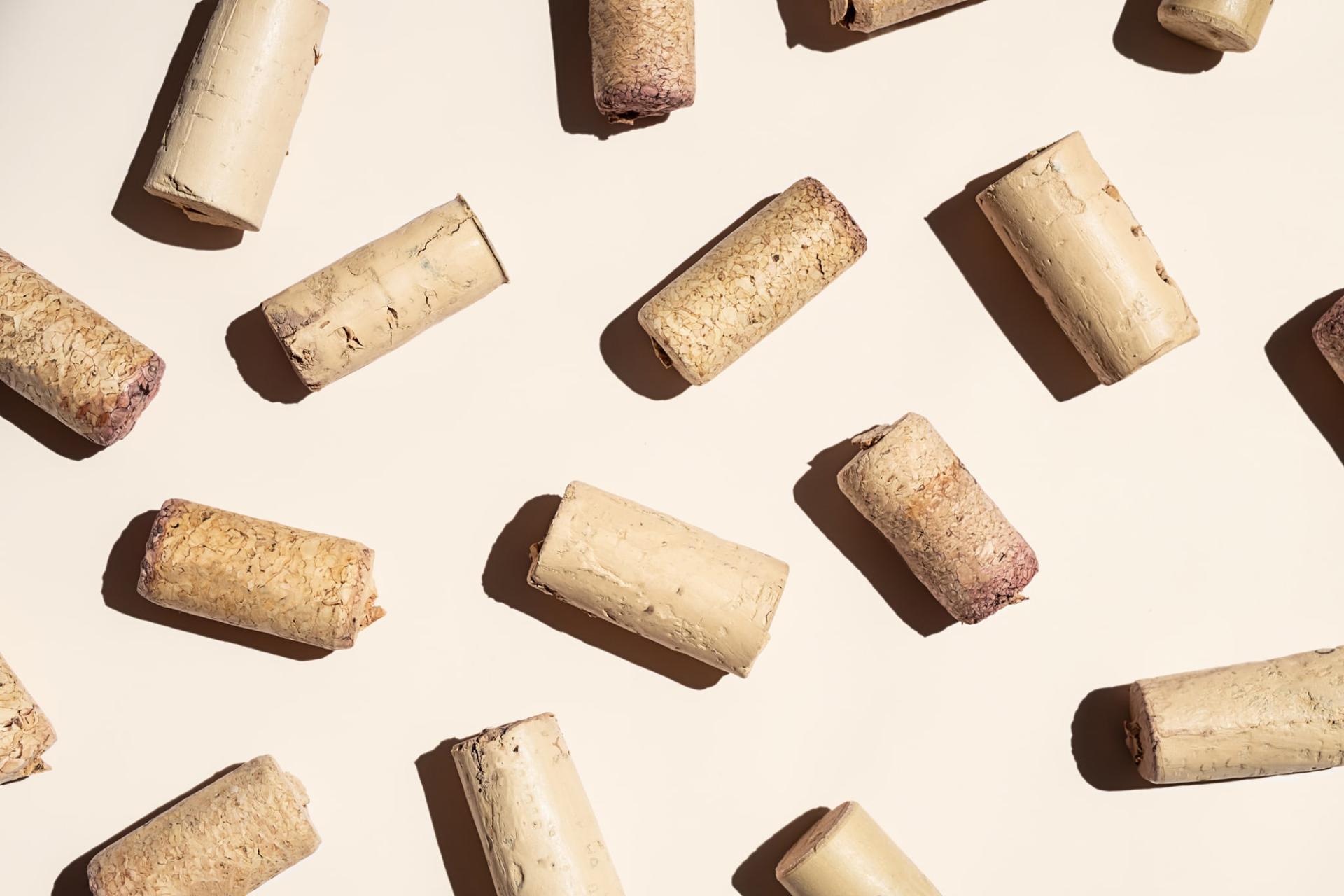
Many people automatically throw away the corks from wine bottles, yet these small items can be surprisingly versatile for reuse – especially in the garden. Cork is a natural material that is durable, lightweight, water-resistant, and its decomposition rate is ideal for various garden uses. If you enjoy creative, sustainable solutions, here are six ideas for how you can use corks in the garden!
As Markers in the Vegetable Garden
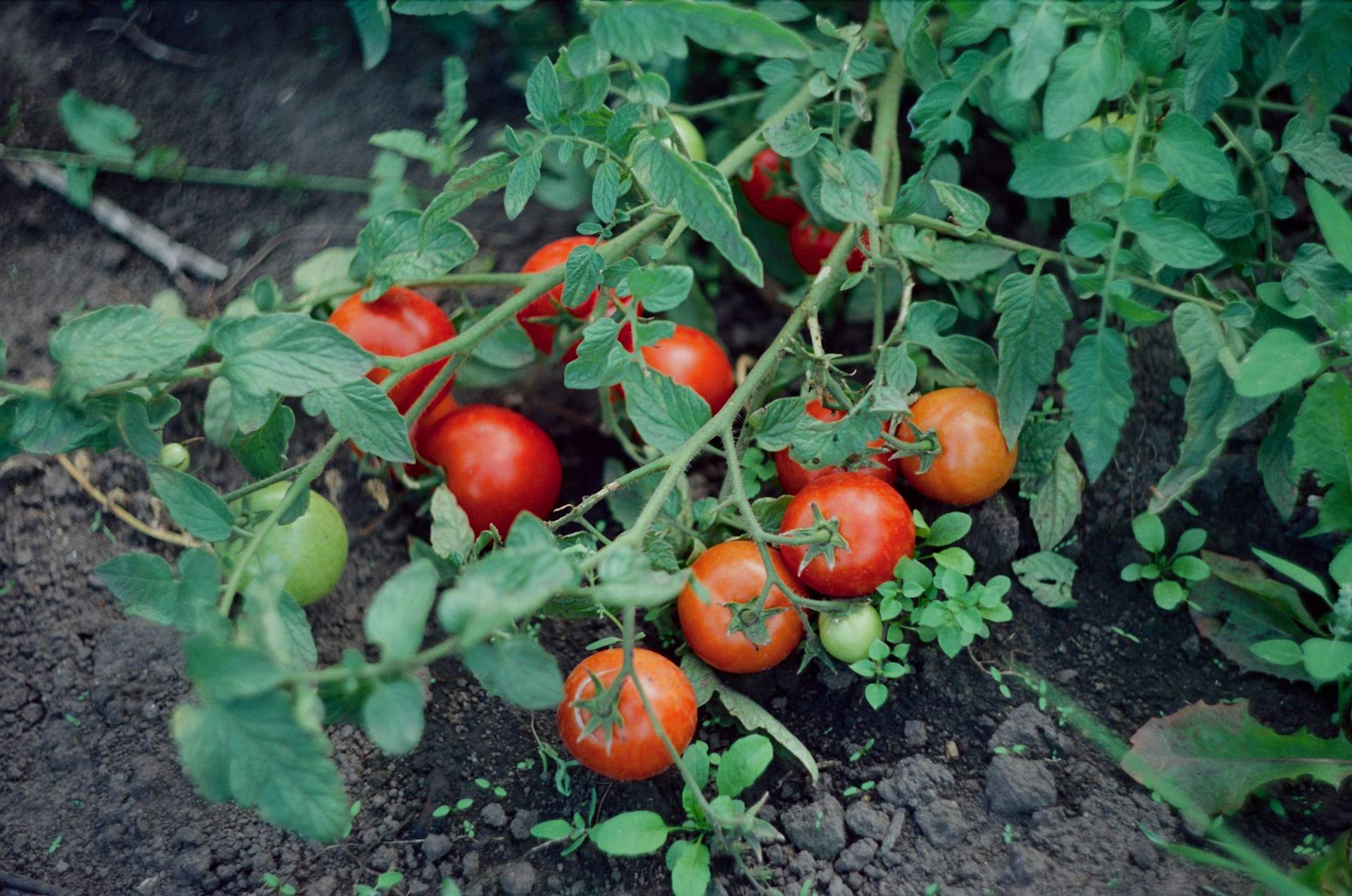
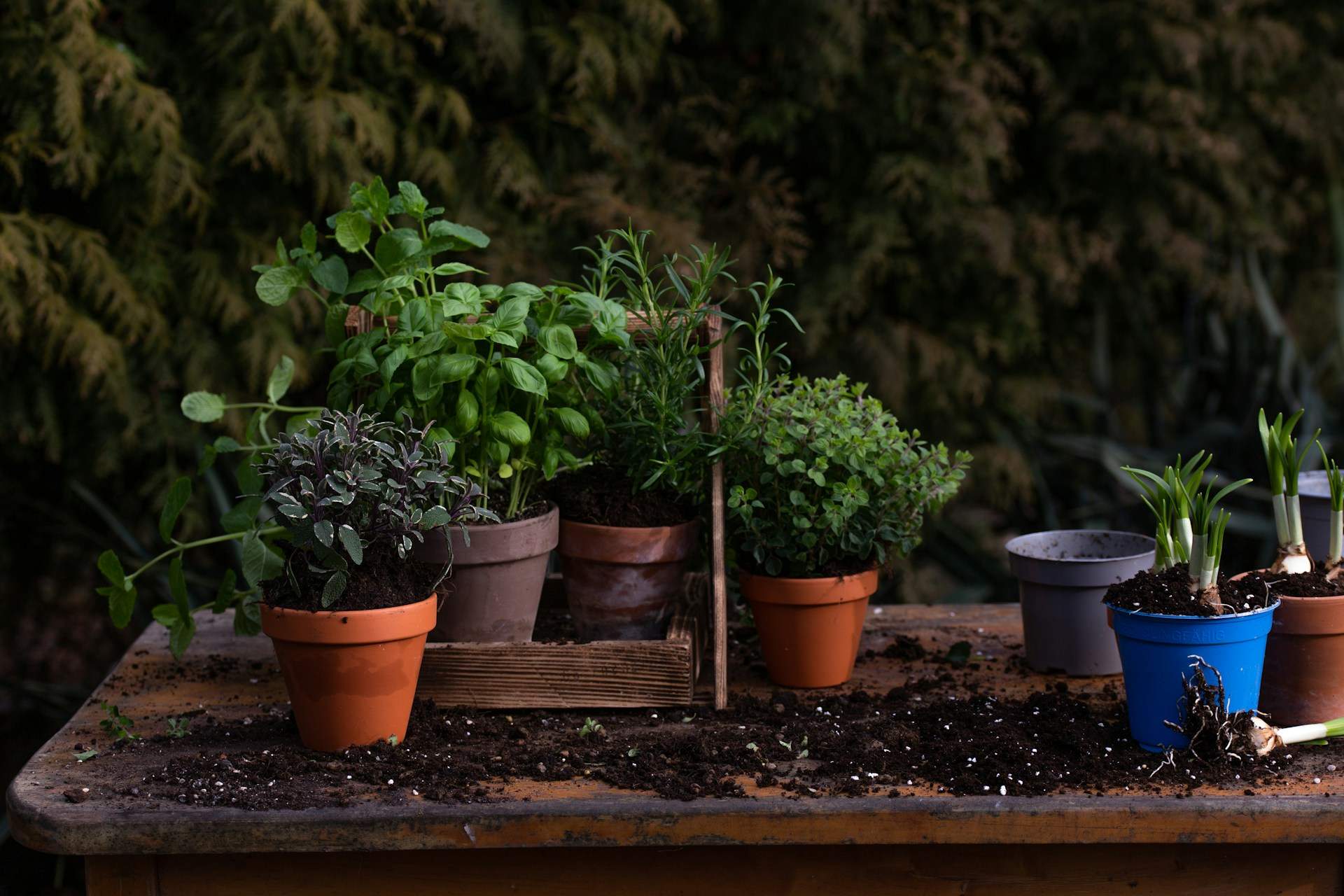
One of the most important parts of a vegetable garden is order – especially if you plant several types of crops. With a little alcohol-based marker and some toothpicks or bamboo skewers, corks can be turned into excellent plant markers. Simply write on the cork what plant is underneath – for example, "tomato," "basil" – then stick it into the soil. This is not only practical but also a natural and aesthetic solution.
As a Compost Additive
Cork – being a natural material – decomposes excellently in compost, especially if you cut or grind it into smaller pieces. This way, you not only avoid waste production but also improve the structure of your compost. Cork's breathability helps the composting process and is especially useful if the compost is too wet or compacted.
As a Slug Repellent Around Plants
Although slugs are slow-moving creatures, they quickly finish off fresh shoots. To keep them away, scatter chopped cork pieces around the base of plants: the rough surface makes it difficult for slugs to move, thus naturally protecting your plants. This is a chemical-free, environmentally friendly method, and you also recycle something you would otherwise throw away.
As Pot Drainers and Drainage Material
Cork is lightweight and spongy, making it an excellent drainage material. If you place a few halved corks at the bottom of an old pot, you can prevent root rot caused by overwatering. Additionally, you can use them as coasters: this way, you protect your balcony or terrace flooring from moisture under the pots.
As a Decorative Mulch Layer Instead of Mulch
If you have some patience, collect a larger quantity of corks and chop them into smaller pieces. You can use these on the surface of flower beds as mulch – not only does it look good, but it helps retain soil moisture and inhibits weed growth. While it does not completely replace traditional mulch, it can be a useful supplement.
As a Floating Platform for Bird Baths
During summer heat, birds also like to peck or bathe in your garden’s bird baths. If you toss a few corks into the bath, they act as a floating platform: insects can cling to it, and birds can drink more safely. It’s a small gesture but can mean a lot for your garden’s ecosystem.
Why Cork?
Cork is a sustainable raw material because the bark of the cork oak can be harvested repeatedly over decades without killing the tree. Additionally, it does not pollute the environment and decomposes completely – meaning if it ends up in the garden, it does its job there too, becoming part of the soil in the long term.
Corks are not only practical accessories for wine bottles but can also become useful tools in the garden if we think creatively. Next time you open a bottle of wine, don’t throw away the cork – think of it as a future gardening tool! Both nature and your wallet will thank you.