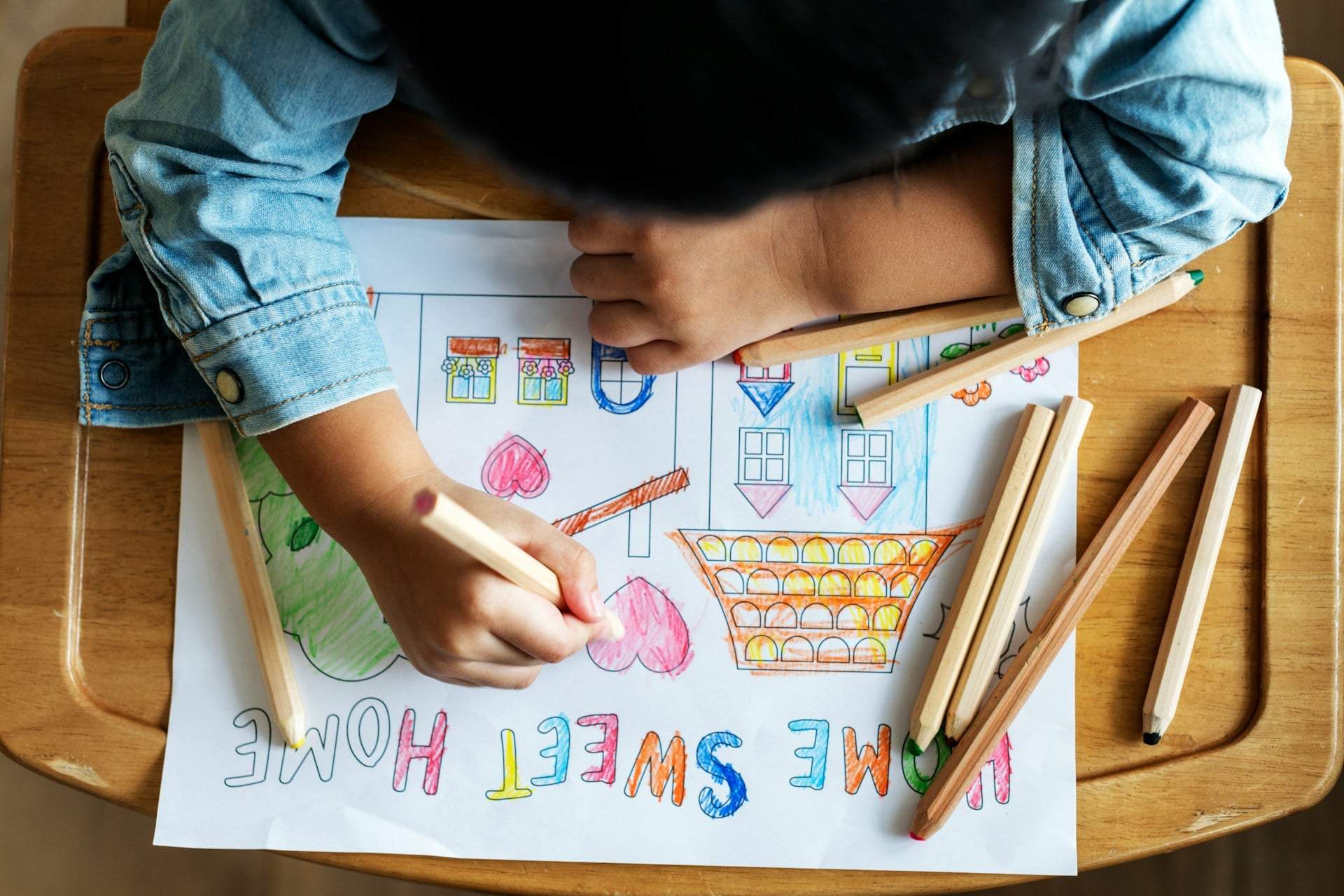
“Draw a scientist!” – sounds like a simple, everyday request you might say during playtime. Even the youngest kids can probably handle it, but what they actually draw tells us way more about how they view the world, roles, and themselves than you might think.
The “Draw a Scientist” experiment has been used by psychologists and education researchers for over fifty years to get a glimpse of how kids picture scientists and science. These aren’t just drawings: they’re windows into a child’s inner world, showing how they interpret roles, careers, and social opportunities.
Why Are These Drawings So Interesting?
The task is simple: “draw a scientist”. Kids don’t need detailed info about scientists or to explain their thoughts about science in words. Visual intuition is enough. What they create shows the image they hold of who fits that role.
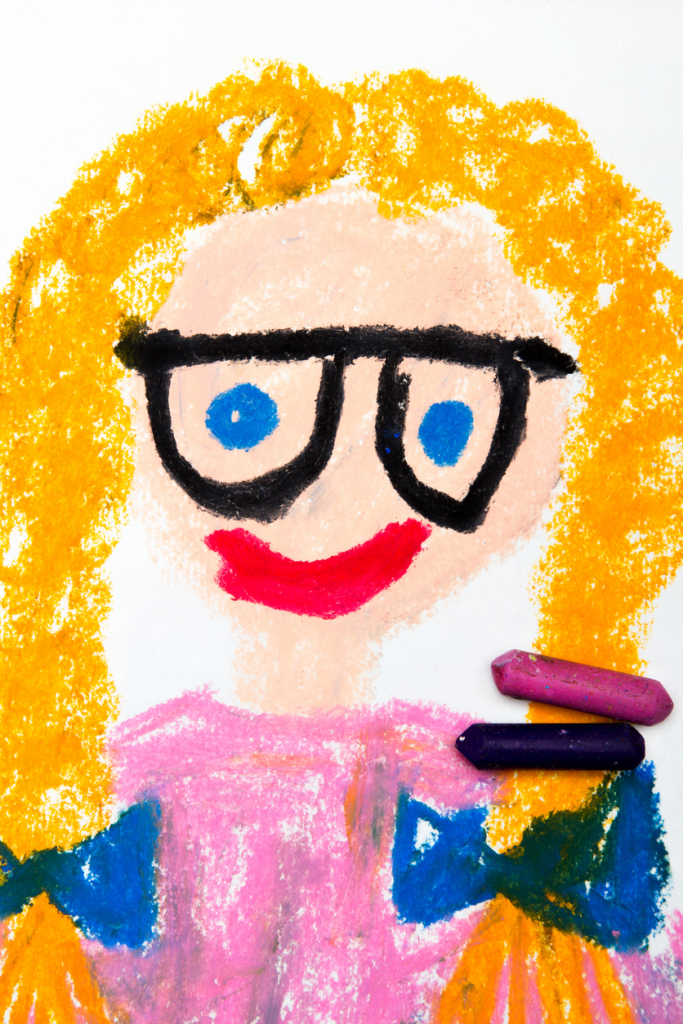
But the results are more than just fun: they reveal consistent patterns about how kids’ social beliefs evolve over time. Drawings from the 1960s and 70s, for example, almost always showed male scientists in white lab coats, with glasses and lab tools – even when the artist was a girl. This reflected the social stereotype that “scientist” mainly means male.
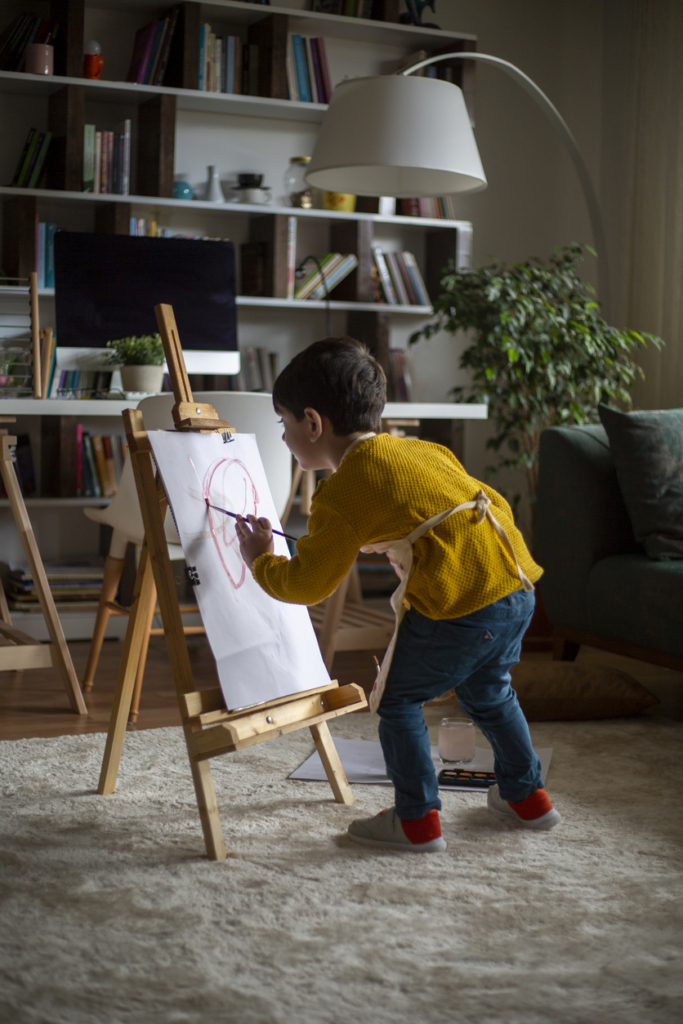
Times Are Changing
Research shows that over generations, things have improved somewhat: nowadays, kids draw female scientists more often than before. This ties to the growing role of women in science – not perfectly balanced, but rising – and kids seeing more female scientists in the media.
This means what kids put on paper is not just art – it’s a social mirror. Younger kids often draw scientists matching their own gender: boys draw men, girls draw women – showing their identification. But as they grow and absorb the idea that science is a “male domain,” stereotypical male figures appear more often in their drawings, even among girls.
What a child draws can reflect how they see their own possibilities.
If the scientist’s outline is automatically male, a scientific career feels less imaginable for the child. So the drawing is also an inner image of who kids see in the scientist role.
What Can You Do as a Parent or Educator?
One of the simplest things you can do: ask your child to draw a scientist – and don’t just look at the finished drawing, start a conversation about it. Ask why they drew it that way, what scientists they know in real life, or if they’ve seen a scientist who looks different from their drawing.
These talks give so much: they help kids build a broader, more inclusive picture of who scientists can be. You’re not only supporting their creative joy but also reinforcing that anyone can be a scientist – including them.