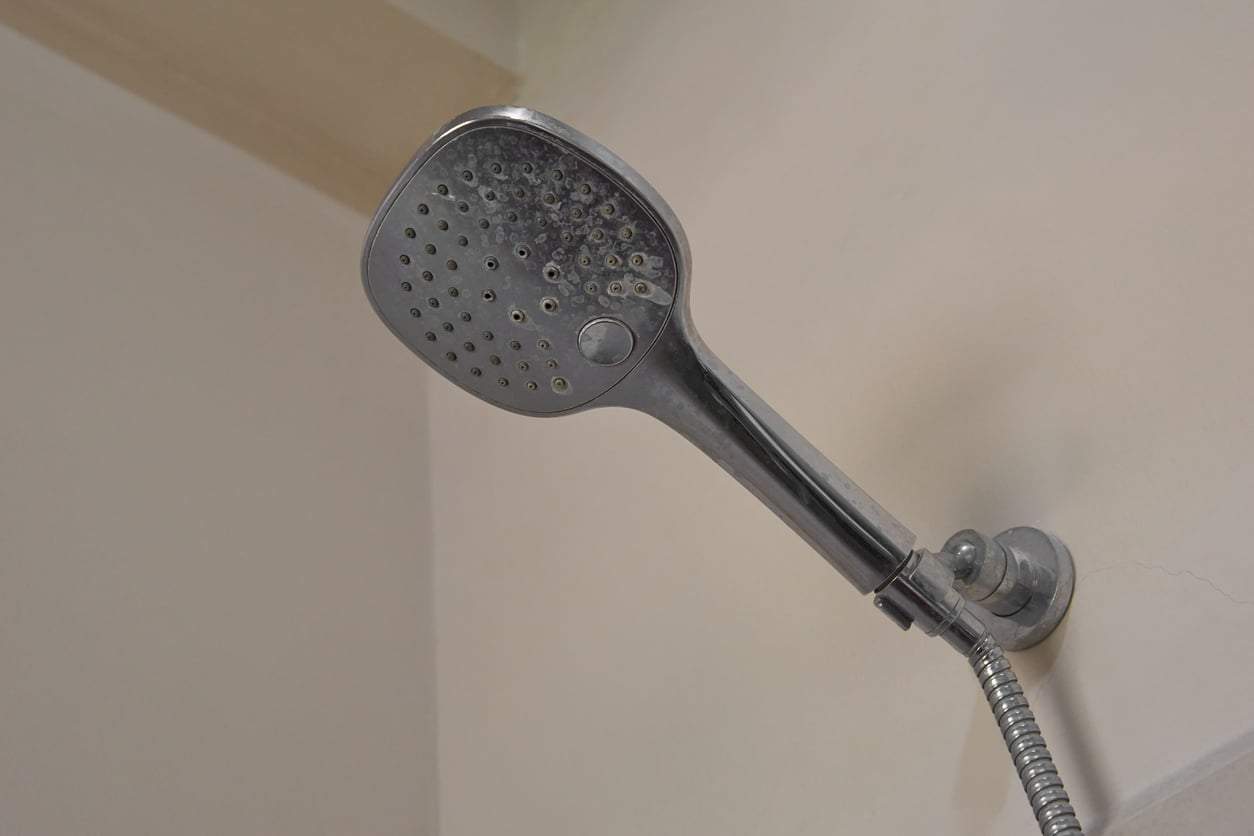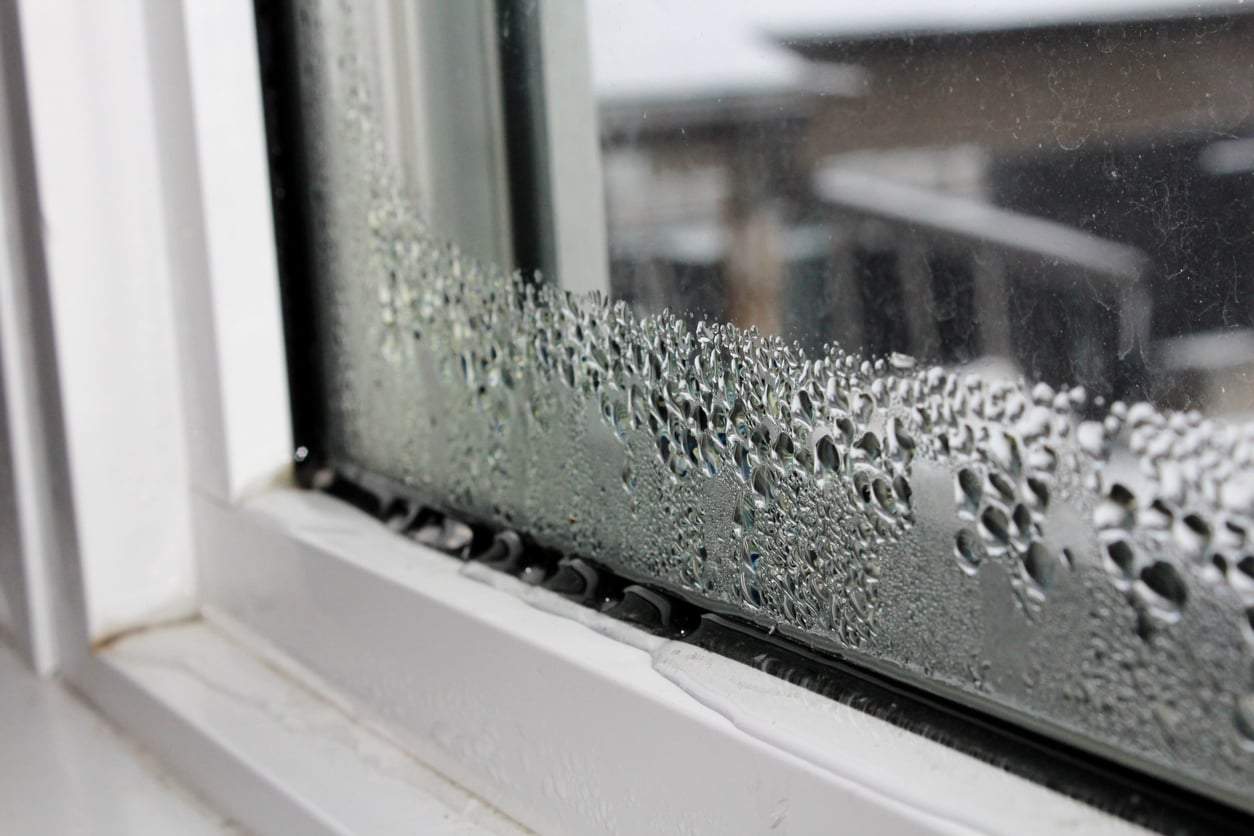
Watch for the early signals rather than waiting for mould: condensation sitting on window frames in the morning, a musty note in a wardrobe on an outside wall, black speckles creeping along bathroom sealant. All three say the same thing — moisture is going in faster than it's coming out.
Is it really that bad to dry clothes on a radiator?
It isn't forbidden, but it's the least efficient version of the job: you're blocking the heat you're paying for, and you're releasing moisture into a room that usually isn't ventilated. If the radiator is genuinely your only option, open the window a crack in that room, don't do it in a bedroom you'll sleep in with the door closed, and turn the items halfway through so the inner folds dry too.
Where should I dry laundry in a flat with no outdoor space?
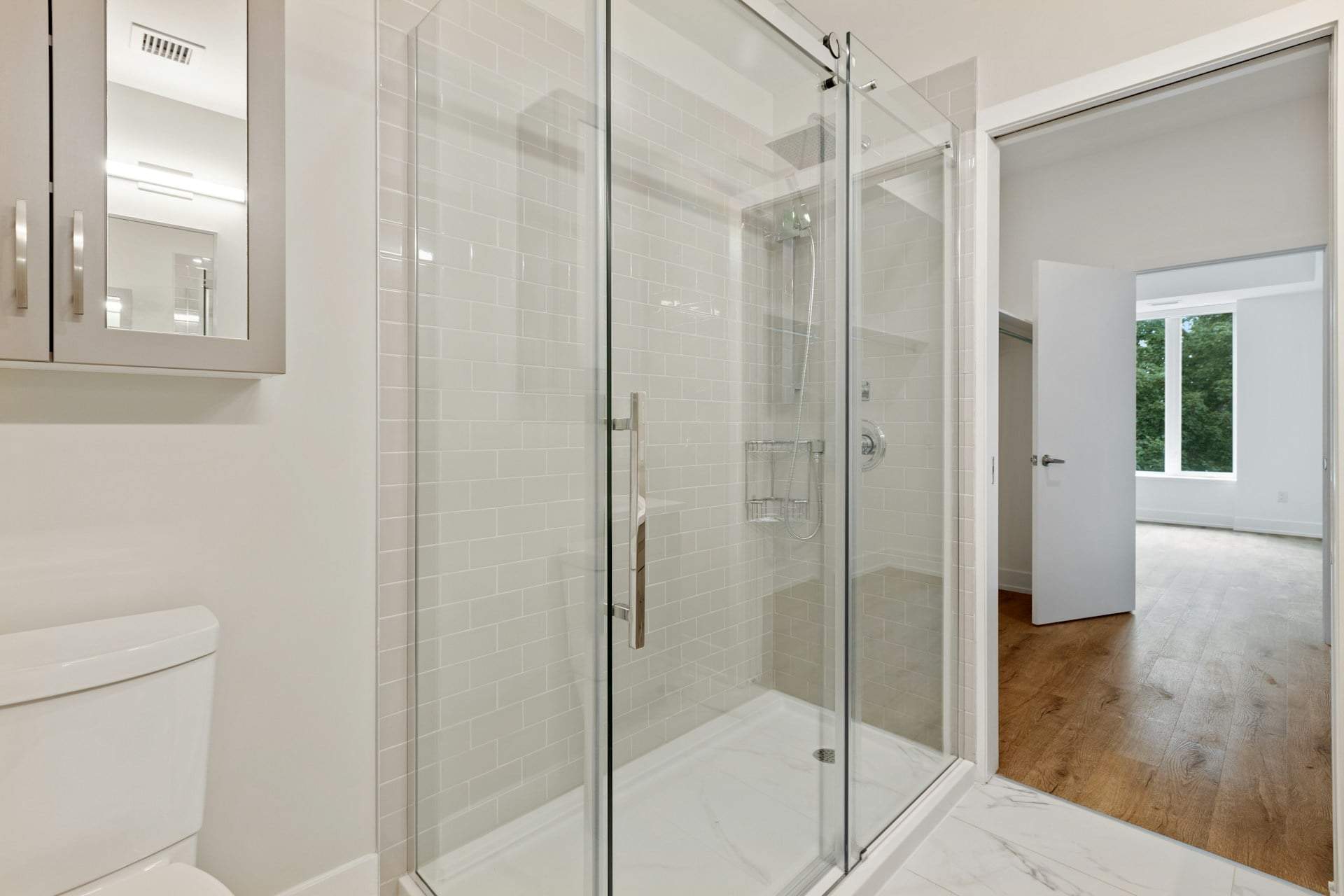
The bathroom, almost always — it's designed to cope with moisture, it usually has the extractor, and it's a room you can shut. Set the airer up in there after the morning showers, run the fan or crack the window, close the door, and add a fan or dehumidifier if the load is big. If you're seeing persistent damp or mould despite doing all this, that's worth raising with your landlord or a qualified professional, because it may point to ventilation or insulation issues rather than your washing.