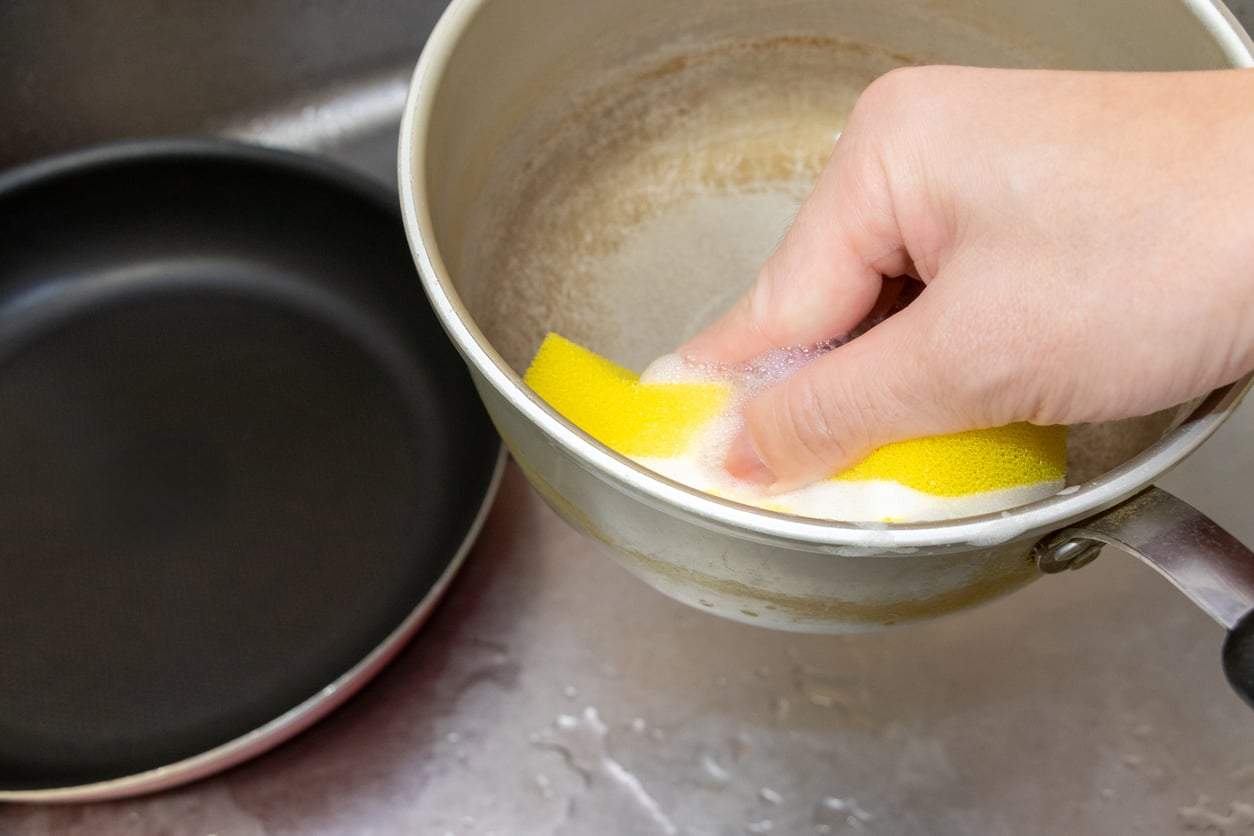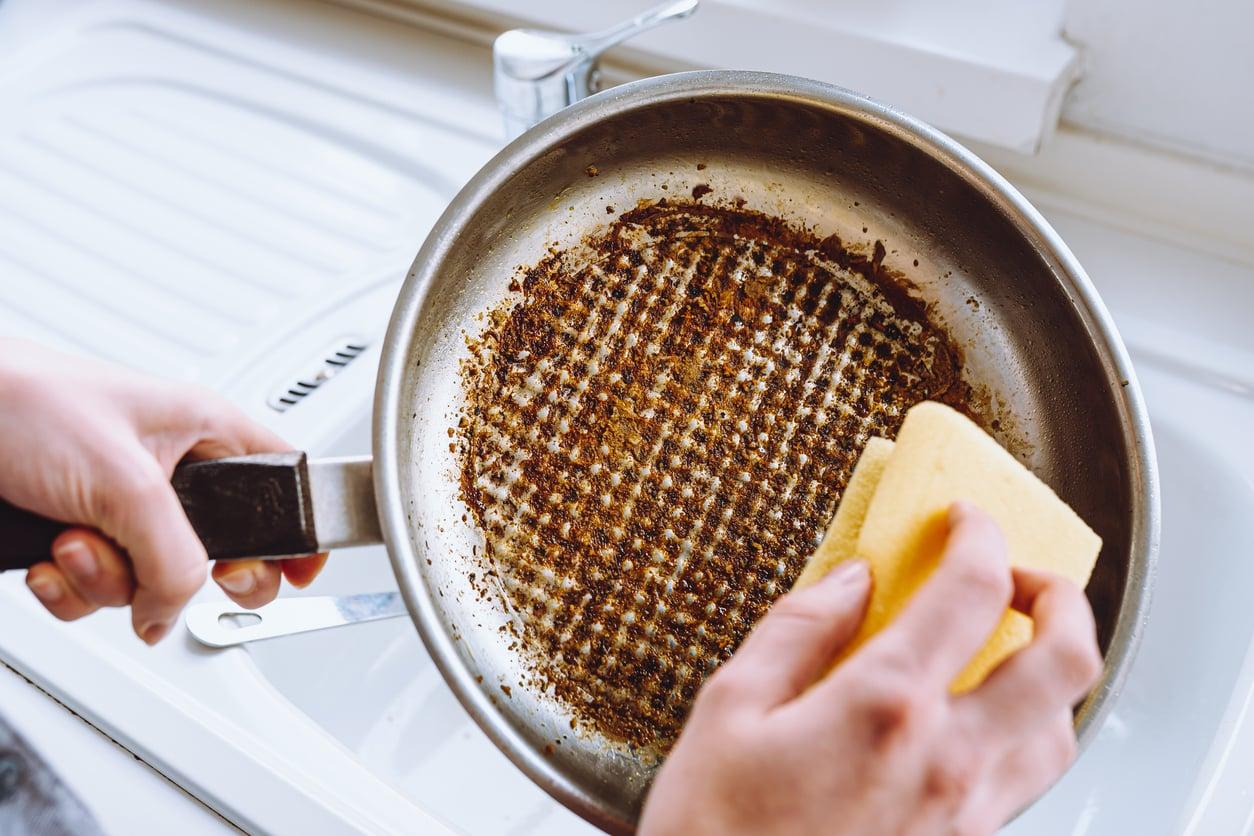
Sound familiar: After a long day, you finally want to relax, but there’s that dreaded pan in the corner of the kitchen counter, with dinner leftovers stuck on like they’re cemented in place. You soak it. You scrape it. You soak it again. By morning, nothing’s changed. That’s when the sighs start, the scrubbing begins, and the thought of "why did I even cook?" creeps in.
But what if there was a trick that solves this kitchen nightmare with surprisingly little effort? Southern Living recently highlighted such a solution, and chances are the key tool is already hiding in your bathroom cabinet.
The surprising helper: the dryer sheet that does more than you think
Imagine this: instead of spending hours scraping your pan, all you need is one small, fragrant fabric sheet. Yes, a dryer sheet, originally designed to soften clothes.
This works because the softening agents in the dryer sheet loosen dried-on food—even the stubborn bits that cling to the pan’s surface.
Before you start: what you should know
This method is gentle on most cookware, including:
- non-stick pans,
- stainless steel pots,
- and aluminum cookware.
Exception: well-seasoned cast iron pans. This method might be too effective there, stripping away the carefully built-up seasoning. For cast iron, stick to your usual gentle cleaning.
What you’ll need
- 1-2 dryer sheets,
- hot water,
- a few drops of dish soap,
- a kitchen towel or sponge,
- and a plastic scraper (optional).
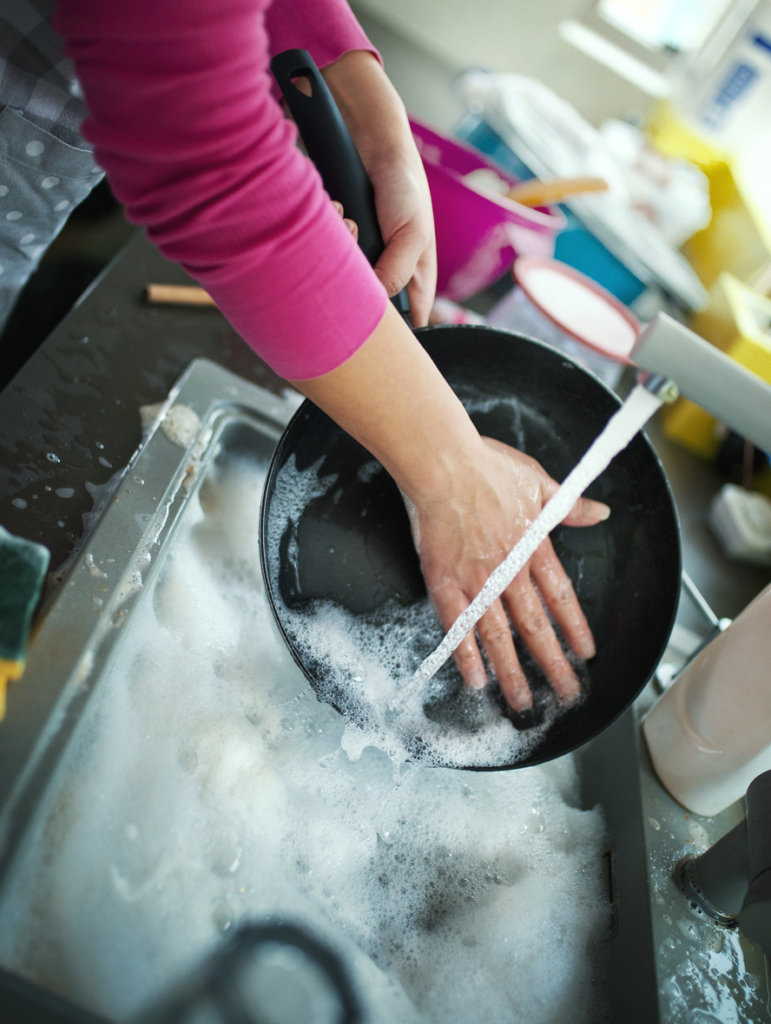
How to clean the toughest cookware – step by step
Step 1: Prep the "field"
- Shake out any loose crumbs or bits from the cookware.
- If there’s oil or grease left, wipe most of it away with a paper towel. The key is to remove extra grime.
Step 2: Time for the "spa treatment"
- Place a dryer sheet at the bottom of the cookware. For larger pans, use two.
- Drip a few drops of dish soap on it, then pour in hot water—no need to fill it, about half a centimeter (around 0.2 inches) is enough.
- Let it soak for an hour. For really stubborn stuck-on food, leave it overnight.
Step 3: Say goodbye to stubborn residue
- Pour out the water and watch as the dryer sheet lifts away most of the grime. Any remaining bits should be softened enough to remove with a few gentle swipes of a sponge or plastic scraper.
- Rinse thoroughly and wash well (this is important since dryer sheets aren’t meant to touch food), and you’re done.
If it doesn’t come off the first time: don’t give up
Sometimes the toughest burnt-on food might still cling a bit. Just repeat the soaking step. The next round usually does the trick.
Tips to make your cookware last longer
- Watch the heat and timing: Most kitchen mishaps start when food stays on high heat too long. If you see it starting to stick, add a splash of water, wine, or broth—this not only prevents burning but can make your dish tastier!
- Use parchment paper in baking trays: Parchment paper makes cleanup a breeze. Instead of oil and sauce baking onto the tray, just toss the paper away.
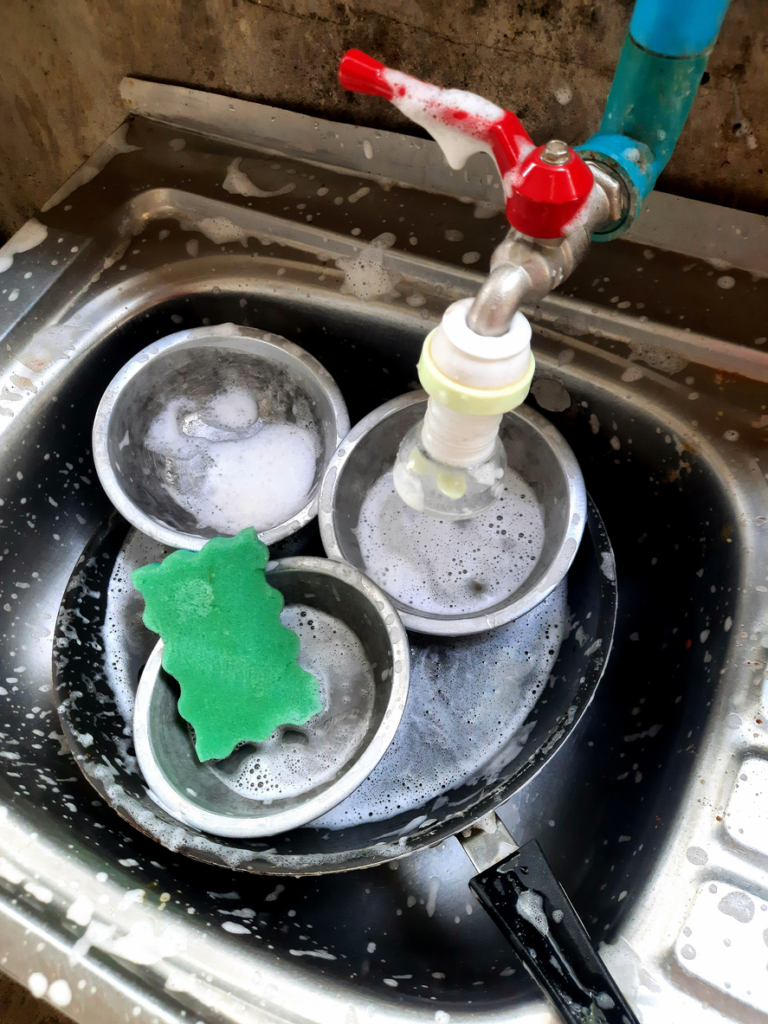
- Don’t put off washing too long: We get it, sometimes it’s hard to motivate yourself at night. But if you at least fill the cookware with water, cleaning later will be much easier.
A small trick that can make your life easier
Kitchen cleaning can feel like a chore, but it doesn’t have to be. The dryer sheet method is quick, gentle, and surprisingly effective. Give it a try, and next time you’ll likely face even the toughest pan with a smile.