Shelves, the glass door and the bits people skip
Shelves are easiest in a bath or a deep sink lined with an old towel to protect the enamel. Fill with the hottest water you can safely handle, add a generous squirt of washing-up liquid and a scoop of soda crystals or bicarbonate, and leave them to soak for an hour or more. What remains usually surrenders to a nylon brush. If you have no bath, lay them on an old towel in the sink, pour over hot soapy water and keep them wet by covering with another damp towel.
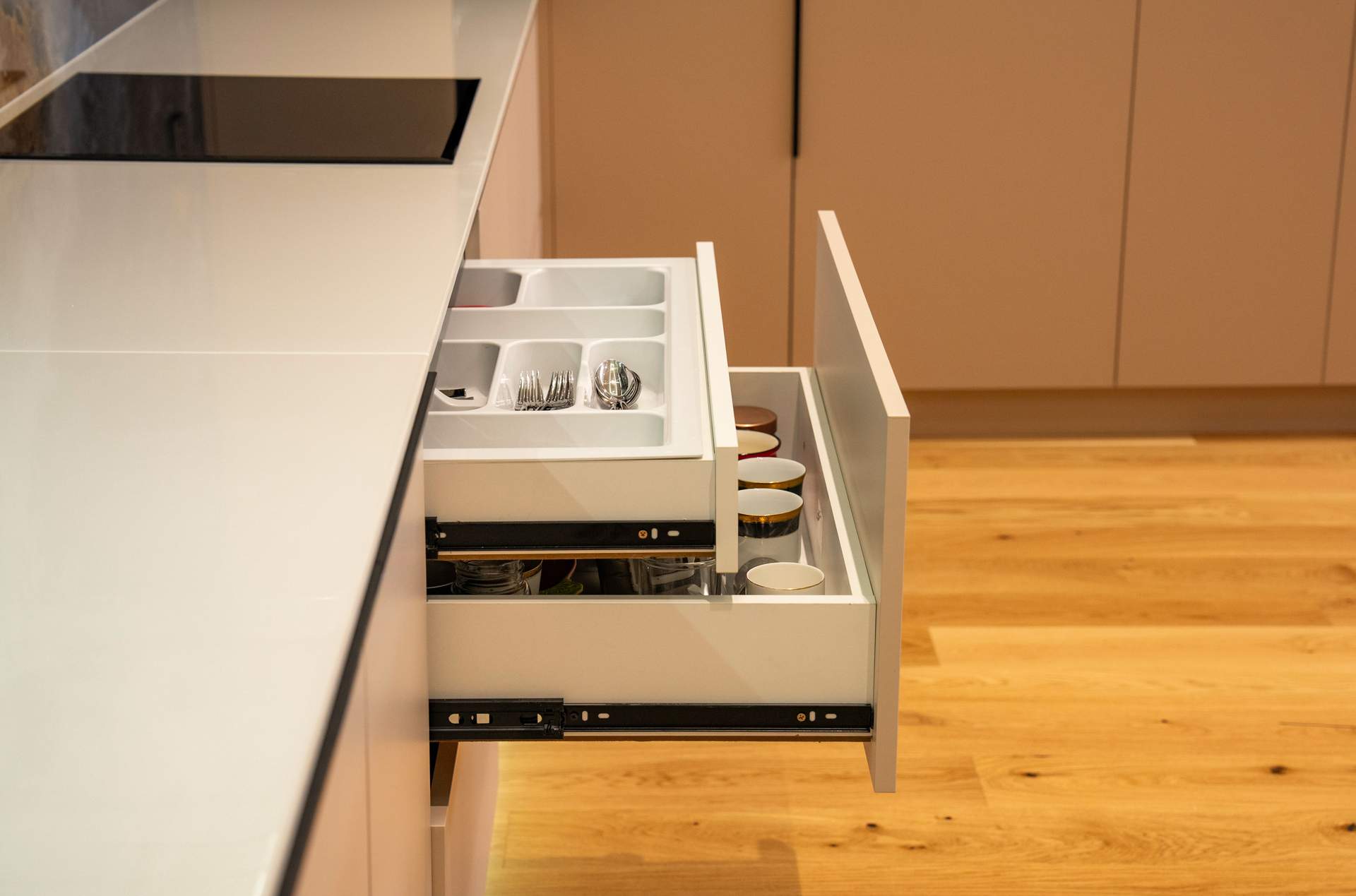
For the glass door, a bicarb paste left for half an hour and then worked gently with a damp non-scratch pad lifts most baked-on splatter. Many doors come apart for cleaning between the panes, and that is where the brown drips you keep trying to wipe actually live — look up your specific model before you start unscrewing anything. Don't forget the door seal, which traps grease: wipe it gently with soapy water and never pull at it or soak it. And the drawer underneath, if yours is a storage drawer rather than a warming one, is almost always overdue a vacuum.
How often should you clean the oven?
A quick wipe of the floor and door after any meal that spat or bubbled over takes two minutes while the oven is still warm, and it prevents nearly all of the hard work later. A full deep clean two or three times a year is enough for most households, more if you roast frequently or bake pastry. The smell of burning when you preheat is the real signal that it is overdue.
Can you use shop-bought oven cleaner on the glass?
Many caustic oven cleaners are safe on oven glass, but you must read the label of the specific product, wear gloves, and ventilate the room thoroughly. Never mix a chemical cleaner with vinegar, bleach or any other product, and if you have already used bicarbonate paste, rinse the surface completely before switching methods.