More and more people want to avoid chemicals in their gardens and plant care because protecting our environment truly matters. If you’re a fan of natural solutions, you’re in the right place: in this article, we’ll show you how to make your own chemical-free plant booster at home.
What Ingredients Will You Need?
A natural plant booster can be made from common household ingredients. One of the most popular is nettle, packed with nutrients that support healthy plant growth. Just make sure to use freshly picked nettle from a chemical-free area.
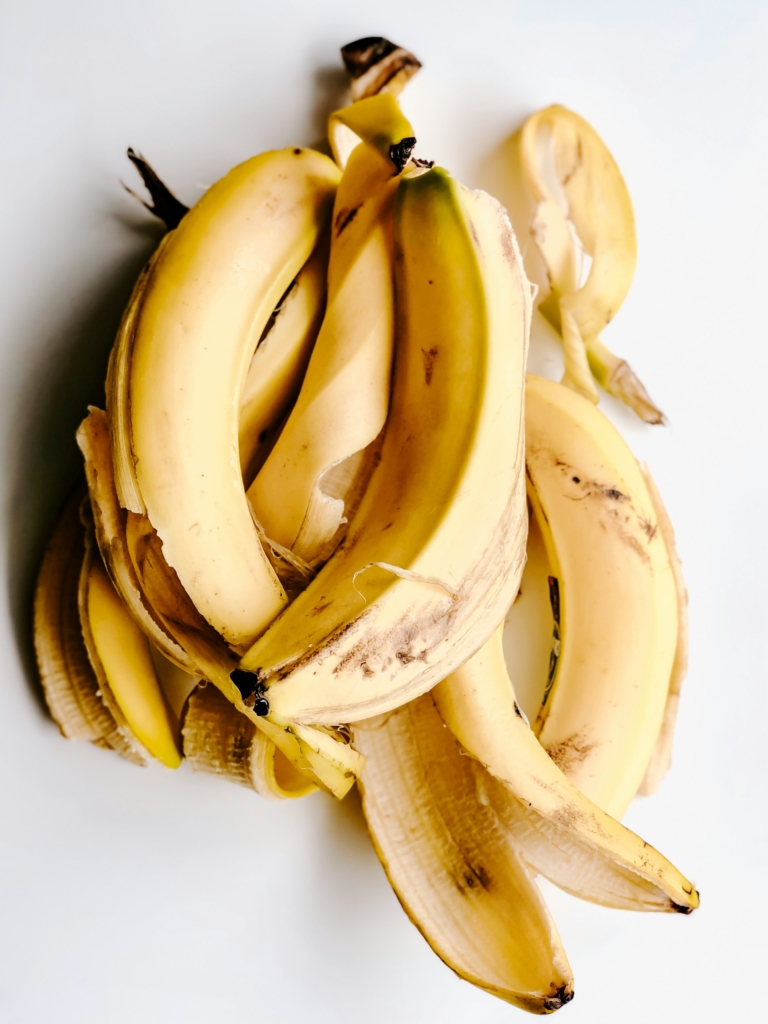
Another great ingredient is banana peel, rich in potassium to strengthen plants and promote healthy root development. Plus, apple peel is also useful, full of natural fibers and vitamins.
Steps to Make Your Plant Booster
Making this plant booster is simple and anyone can do it at home.
- First, soak fresh nettle in water for one to two days.
- Next, strain the liquid and use it to water your houseplants or spray on garden plants.
- Simply place the banana peel on top of the potting soil and let nature do its work.
- Grind the apple peel in a coffee grinder, then sprinkle it around your plants.
Benefits of Natural Plant Boosters
One of the biggest perks of natural plant boosters is that they don’t harm the environment and support plants in a natural way. They’re also budget-friendly since most ingredients are already at home, helping you save money and reduce household waste.
These boosters can improve soil quality, strengthen your plants’ immune systems, and even boost their resistance to pests.
Tips for Effective Use
When using natural boosters, keep a few things in mind. Most importantly, don’t overuse them, as overfeeding your plants can actually harm them.
Use smaller doses regularly instead.
Also, store your booster properly. Kept in a cool, dark place in an airtight container, it can last for weeks, so it’s always ready when you need it.
Homemade natural plant boosters are a fantastic way to keep your garden and houseplants healthier—without any chemicals. Plus, by using natural ingredients, you’re supporting sustainable gardening.
Give these methods a try and enjoy the fruits of your labor this spring!