“Am I keeping you?” – my friend asked recently during a long phone call. “Not at all! Actually, I’ve been able to get things done while listening—since we started talking, I’ve unloaded the dishwasher and hung up the laundry. You thought I was just sitting here doing nothing?” – I joked back. “I didn’t think so,” he said.
“Honestly, it’s hard to imagine you just sitting still.”
We laughed it off, but after hanging up and going about my day, that thought stuck with me.

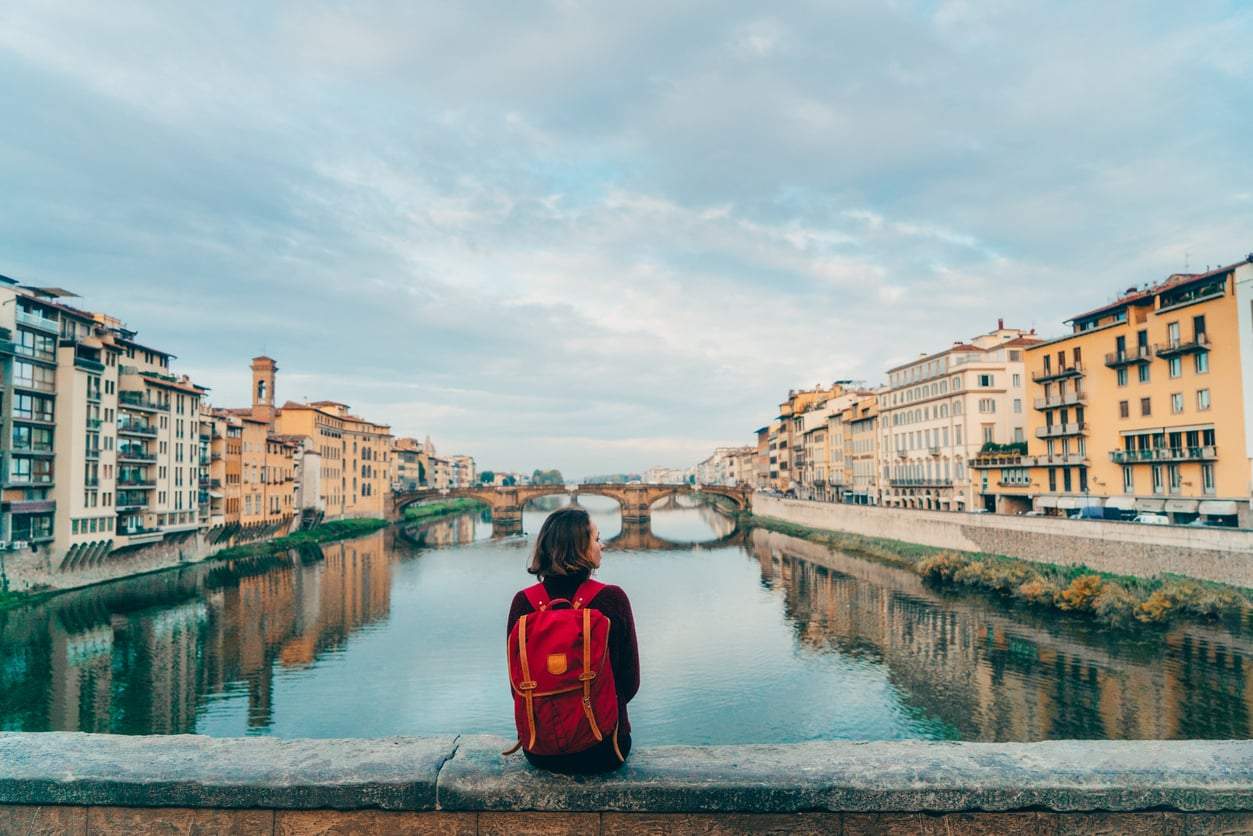
Why is it so hard for me to just be still?
And I’m not just talking about always finding something to do. It feels like I constantly need some kind of external stimulation. If I have to wait two minutes by the microwave, I’m already reaching for my phone. When I get on the bus, I immediately look for a podcast. If I have an afternoon with nothing planned, I don’t feel relief—I feel anxiety: “What should I be doing?”
It’s like boredom is some kind of danger we must avoid at all costs. But as kids, we knew how to be bored. In fact, boredom sparked our best games, stories, and ideas. So what changed?
Our modern lives have slowly but surely trained us to see silence and stillness as unnatural. Constant stimulation has seeped so deeply into our daily routines that we barely notice how rarely we’re truly present without some kind of input filling the space. Our phones, screens, endless streams of information, notifications, music, shows, and the “just one more video” mindset all teach us: boredom is bad. Something to suppress.
Boredom actually has a purpose. We need it.
Boredom is where our minds settle and weave thoughts together, letting new ideas emerge. Childhood creativity wasn’t some special talent—it was simply that we had more chances to be bored. And where boredom lives, imagination follows. That’s where we start exploring, playing, taking risks, and marveling at the world.

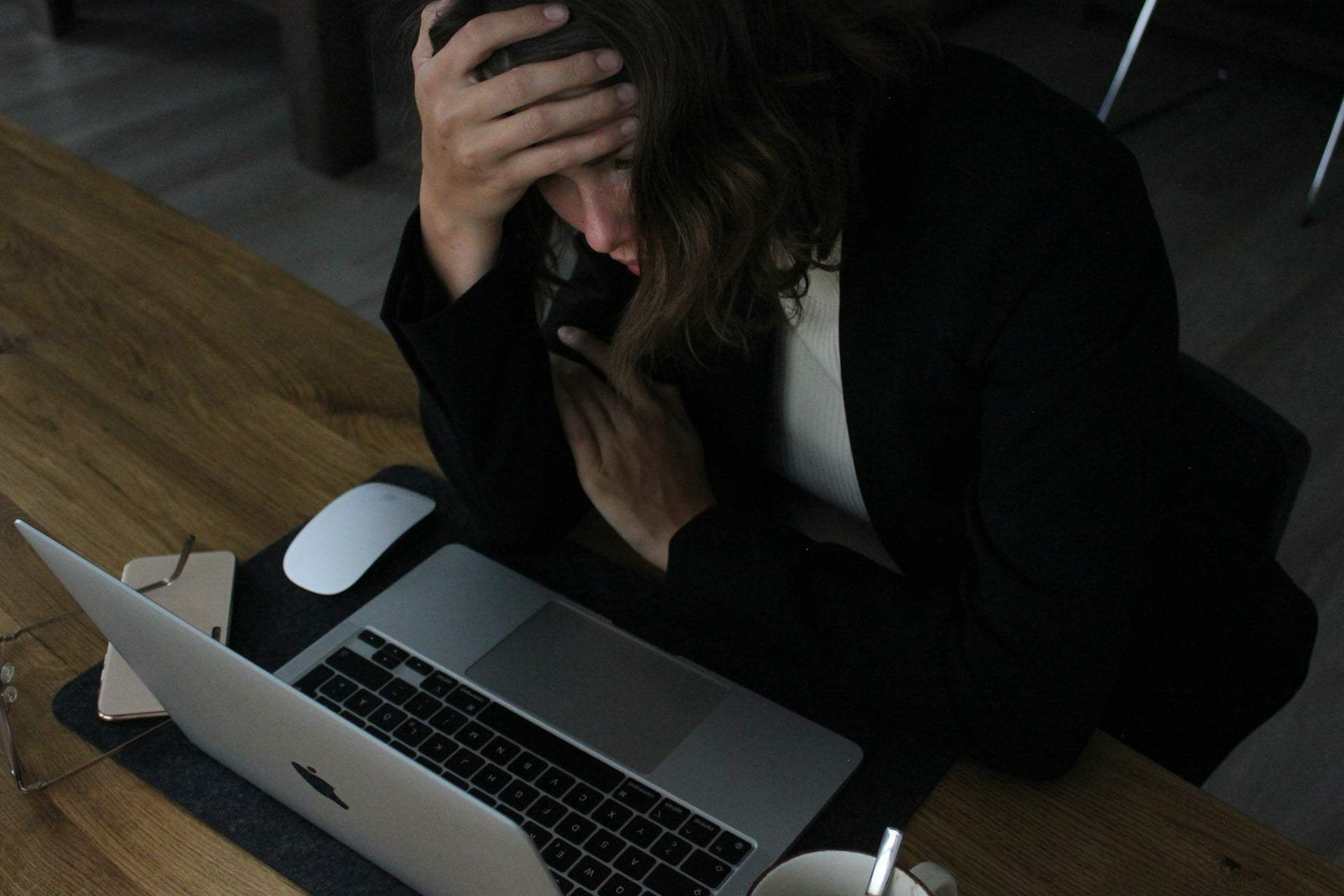
Today, just the thought of having nothing to do makes us tense. In silence, we have to face ourselves—our feelings, fatigue, anxieties. Constant stimulation isn’t always because life is “boring,” but because we fear what we’d find in the quiet: our own thoughts, pace, and limits.
And of course, there’s social pressure too
Our culture of productivity tells us idleness is wasteful. If you’re not doing something, you’re falling behind. If you’re not growing, learning, or building yourself up, you’re not enough. In this mindset, boredom isn’t rest or recharging—it’s a missed opportunity that should make us feel ashamed. Because happiness isn’t a given; it’s something we must earn—and yet, we never feel like we’ve done enough today.
The problem is, while constant stimulation feels comfortable, it actually steals the mental space we need to create, recharge, connect—even with ourselves. An overstimulated brain can’t rest, dive deep, or find real joy in slow, small moments. Everything feels too quiet, too little, too slow.
So now, I’m trying to relearn how to be bored. Not to fear the silence around me, but to wait—believe that after the initial panic, something good will happen. To be present, pay attention, and most of all, be patient. With myself and my mind, trusting that more wonderful things will surface than any TikTok video or podcast could offer. I just need to give it a little time.