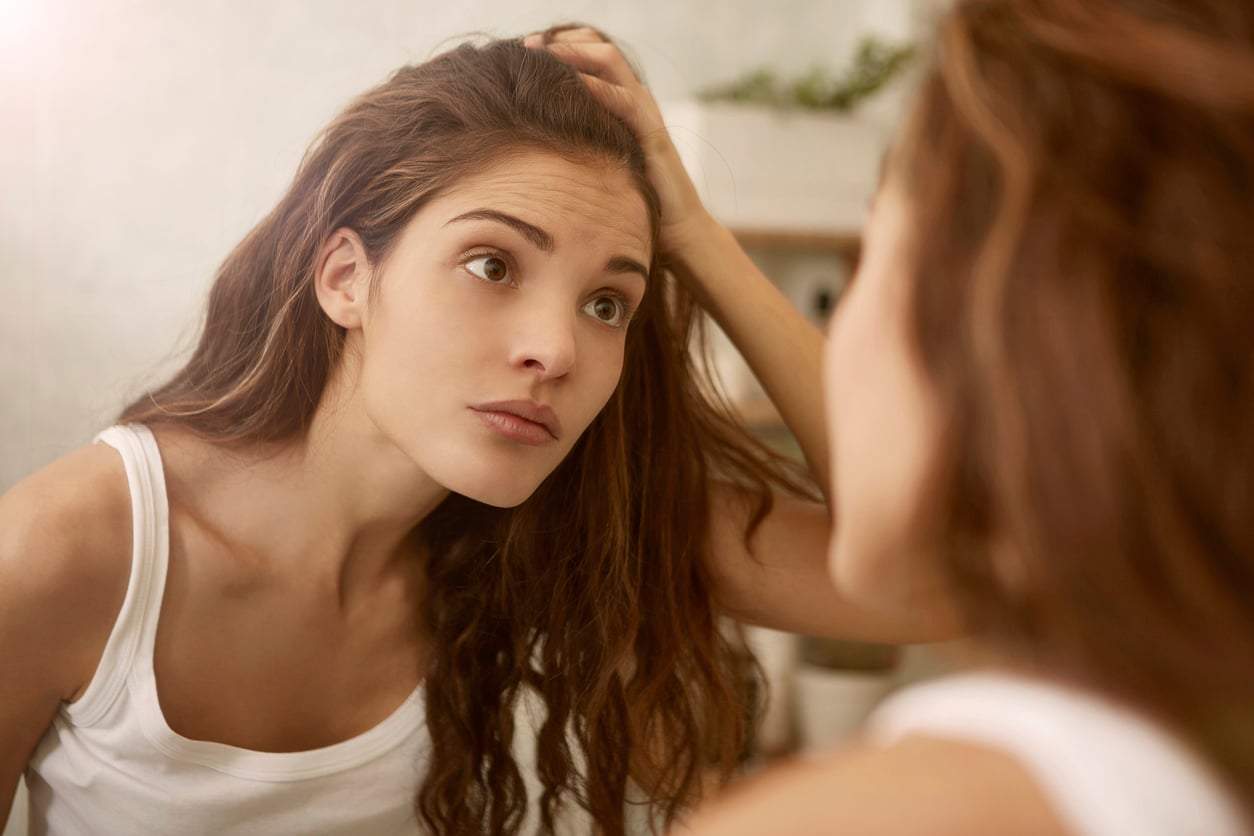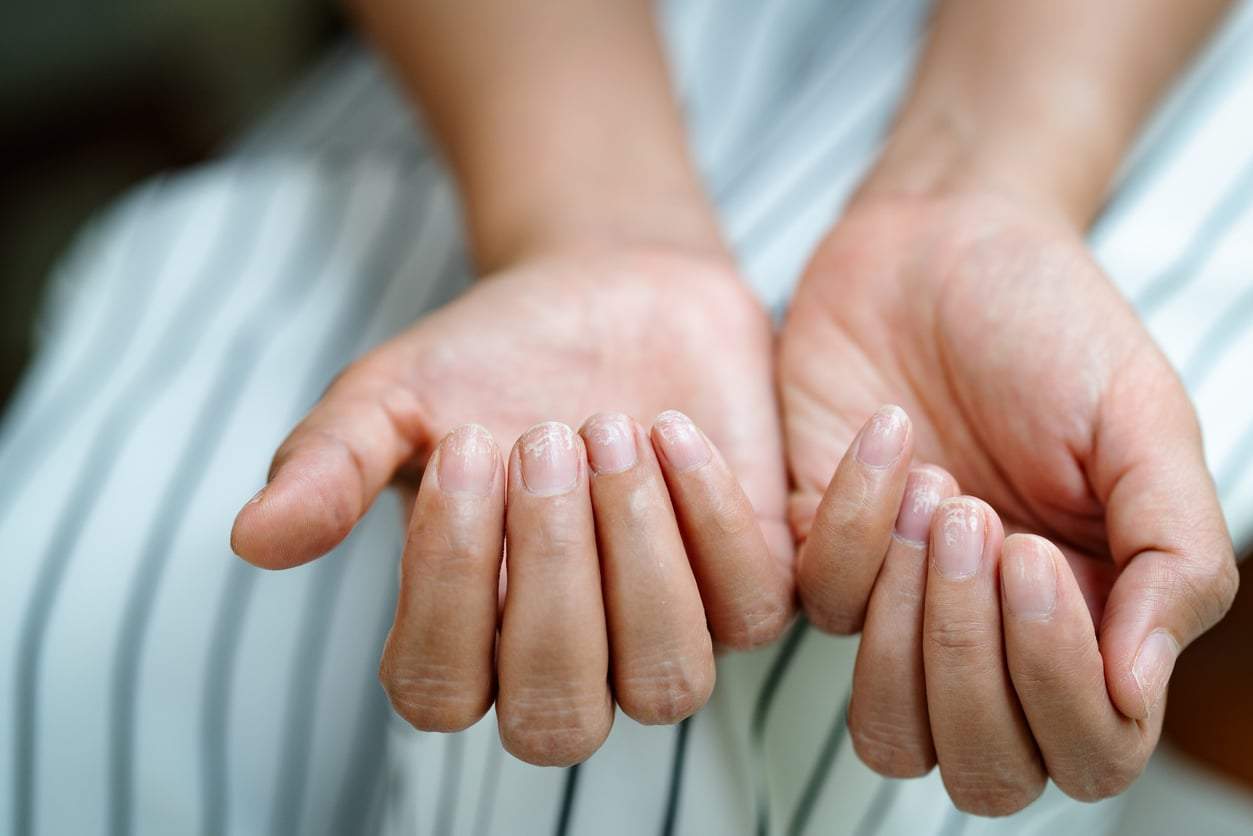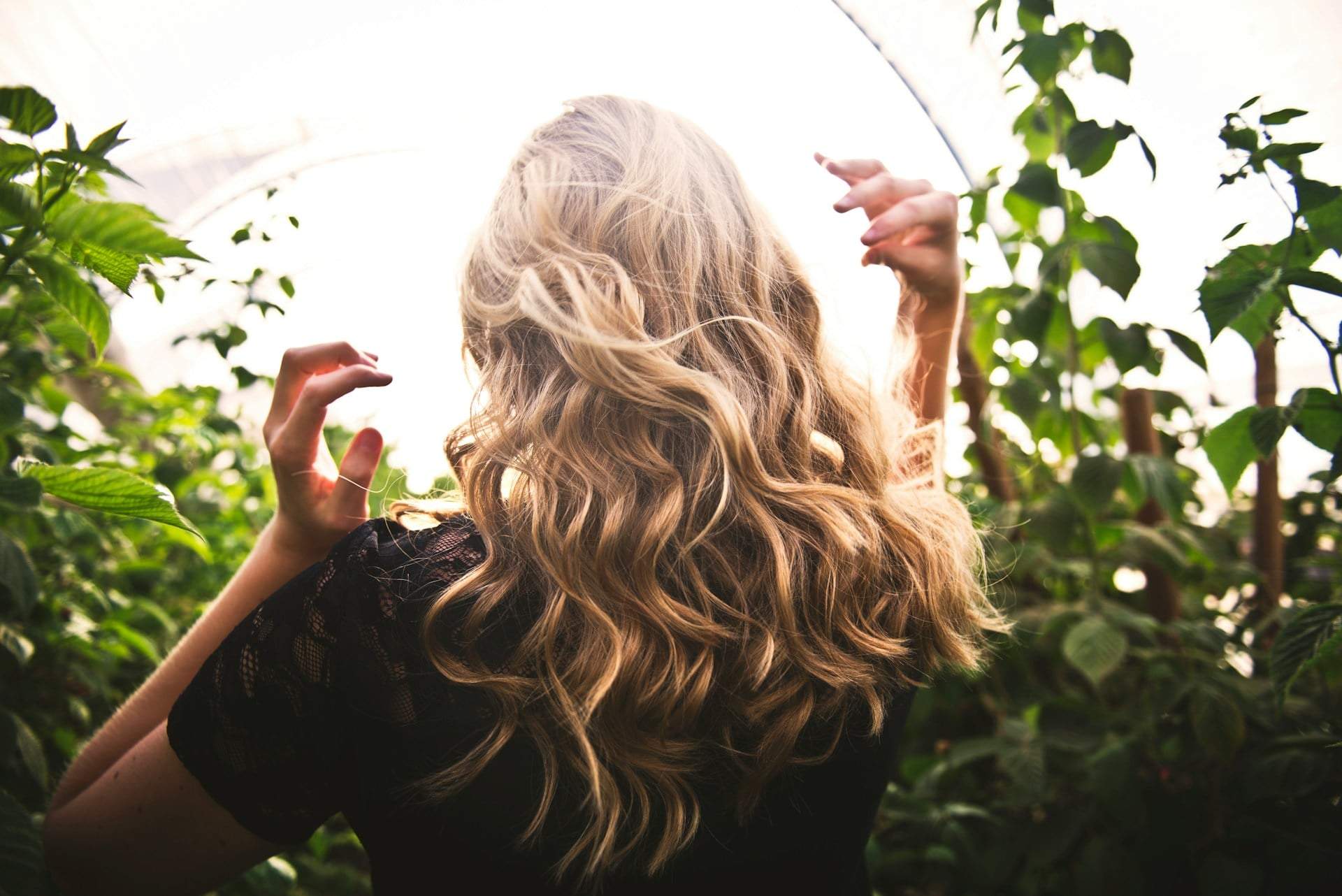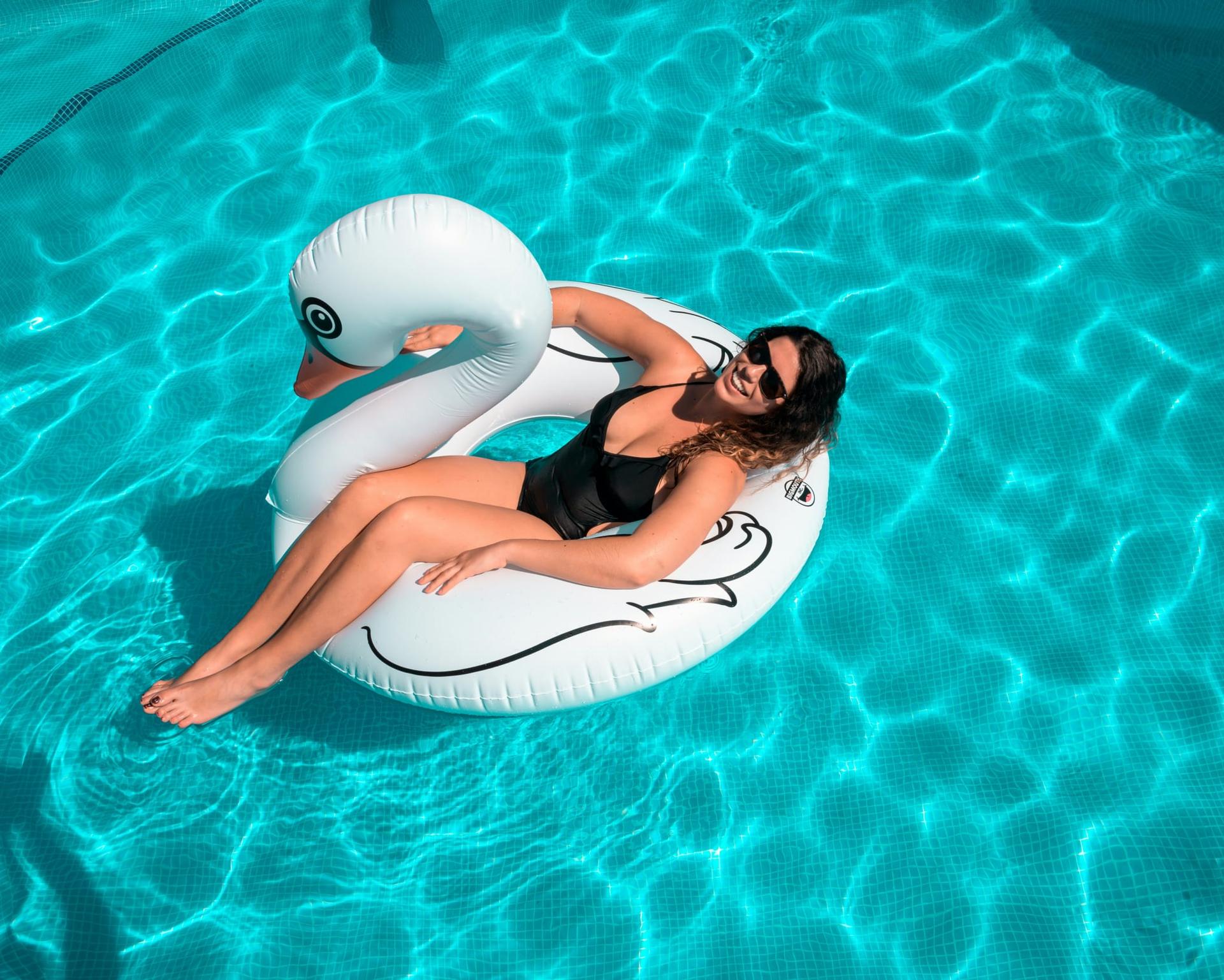
When you’re chilling by the pool, your hair’s delicate structure probably isn’t on your mind. But afterward, it’s smart to remember that chlorinated water can damage your hair’s health. Pool chlorine disinfects the water but also strips your hair’s natural oils, causing dryness and dullness. This damage is especially noticeable on colored or chemically treated hair, where the effects can be even more pronounced.
Chlorine can weaken your hair’s natural defenses by removing the lipid layer that keeps your hair flexible.
For those with sensitive scalps, chlorine may cause irritation, and it can even alter hair color—blondes might notice a greenish tint from chlorine exposure. To avoid this, it’s worth planning your hair care routine carefully if you swim often.
How to Protect Your Hair Before Swimming
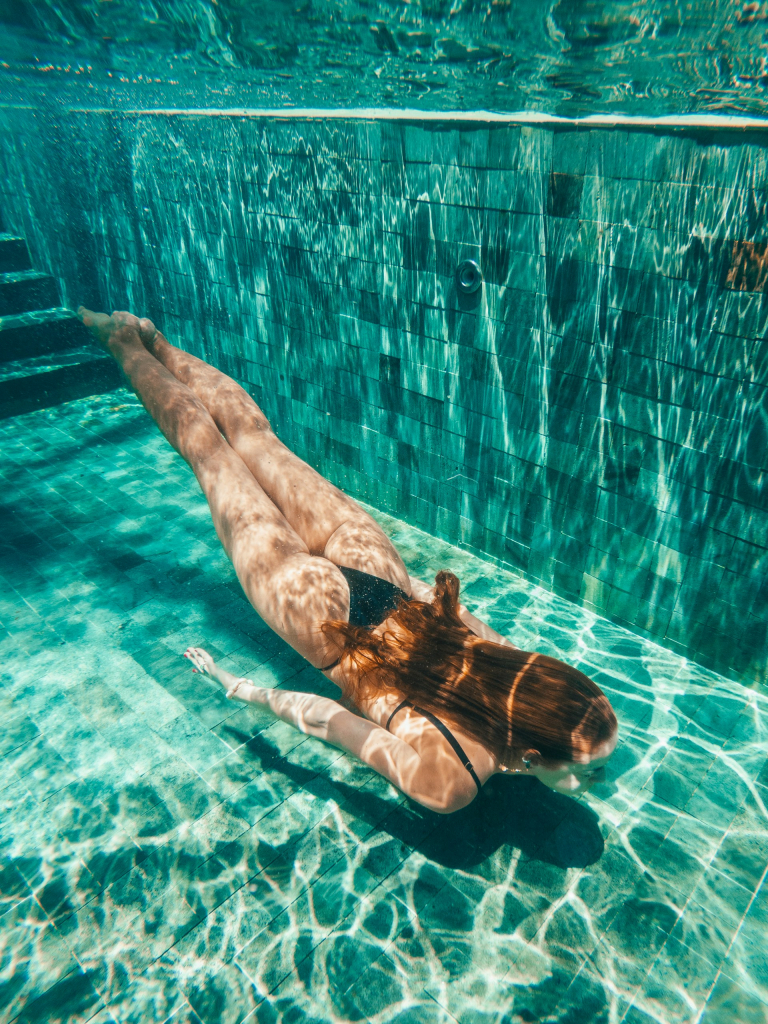
Protecting your hair before swimming should be a key part of your hair care routine. Start by considering a swim cap to keep water from directly touching your hair. While it won’t block water completely, it can greatly reduce chlorine’s harmful effects.
Another smart move is to wet your hair with clean water before swimming. Wet hair absorbs less chlorinated water because the cuticles are already saturated.
You can also use hair oils or conditioners specially formulated to protect against chlorine. These products seal the hair surface, helping keep chlorine out.
Your Best Hair Care Routine After Swimming
- Rinse your hair immediately after swimming with clean, lukewarm water to wash away chlorine residues.
- Use a deep-cleansing shampoo once a week to thoroughly remove any chlorine and buildup.
- Apply a hydrating hair mask or conditioner to restore moisture lost during swimming and bring back your hair’s natural shine. Pay special attention to the ends, which tend to dry out the most.
Weekly deep hydration treatments are essential to counteract chlorine’s drying effects.
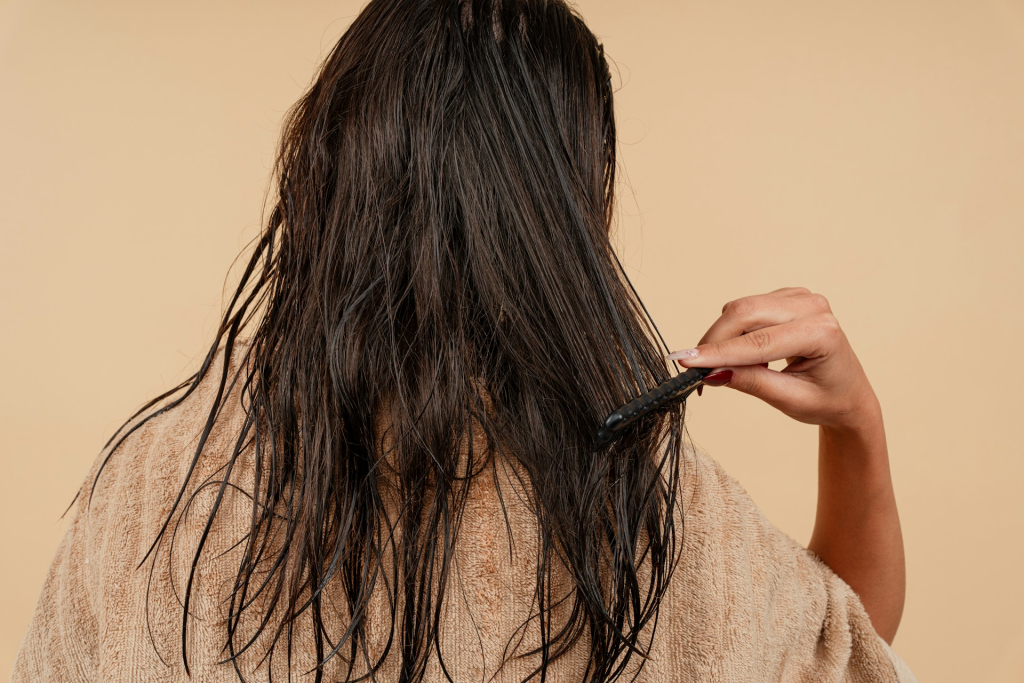
Choosing the Right Hair Care Products
Using carefully chosen products is key to healthy hair. Opt for those designed to help hair recover from chlorine exposure. These often include antioxidants like vitamin E or green tea extract, which help neutralize chlorine’s damage.
Look for products with gentle formulas and natural ingredients.
Avoid sulfates and harsh detergents that can dry out your hair further. Hydrating ingredients like coconut or argan oil are great for keeping your hair soft and shiny.
Food and Hair Care: Hydrate from Within
Don’t forget that your diet plays a big role in your hair’s health. Staying well-hydrated and eating a vitamin-rich diet helps keep your hair strong, even with frequent dips in chlorinated water.
B vitamins support fast hair growth and strength, while vitamin C aids collagen production, which supports hair strands. Also, make sure you get enough iron and zinc—these nutrients nourish your hair follicles.