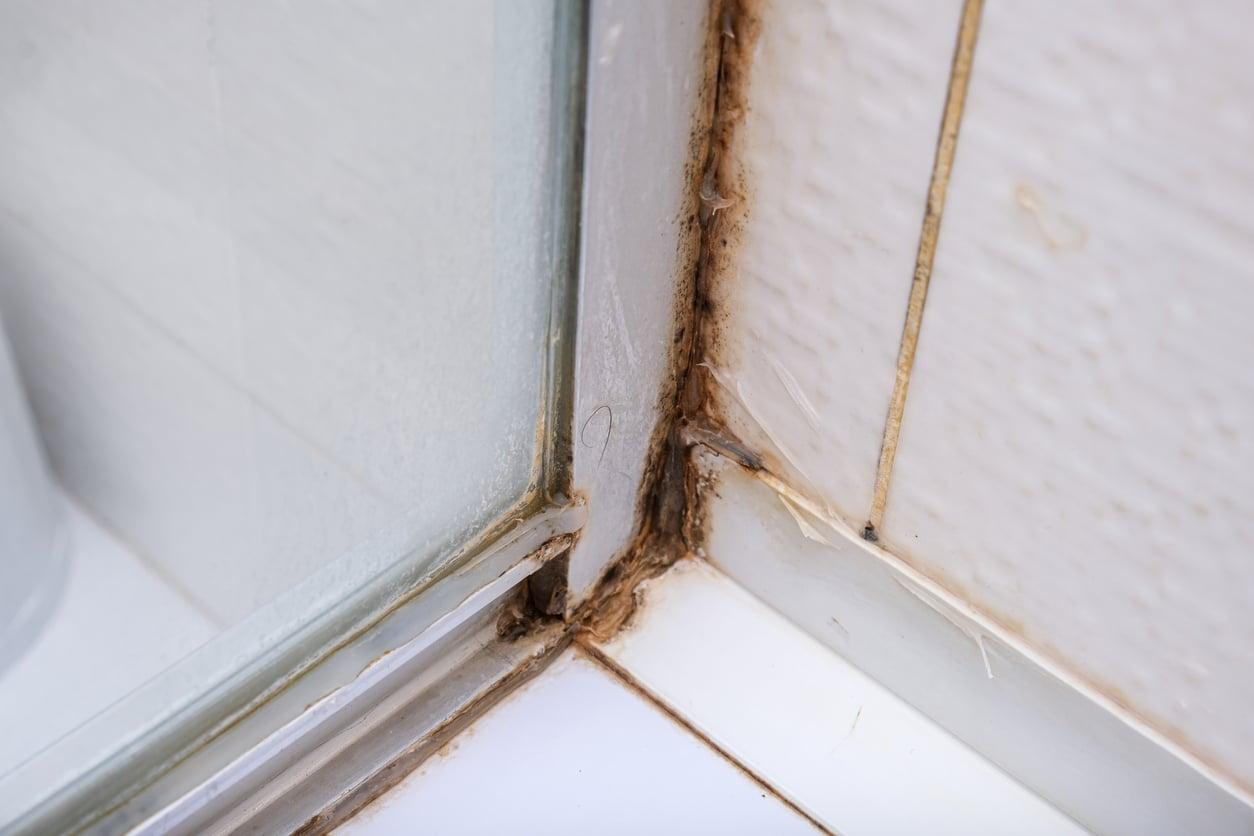
That dark, grimy line along the bottom of your shower isn't just unsightly — it's mold that's worked its way into the silicone itself. Regular bathroom sprays might fade it temporarily, but within a few weeks it always comes back. There is, however, one cheap product you already know that can clear it up in a single night.
Why shower silicone is such a magnet for mold
Silicone sealant has tiny pores that trap soap residue, skin oils, and hair. Because a shower almost never fully dries out between uses, humidity stays high — exactly the conditions mold needs to thrive. Once the spores penetrate below the surface, wiping won't cut it. You can bleach the color away, but the mold stays alive inside and returns within weeks.
The one ingredient that actually works: bleach
Plain household bleach — the kind you can find at any grocery or dollar store — is one of the most effective mold killers you can safely use at home. Its active ingredient, sodium hypochlorite, doesn't just whiten the stain: it destroys the mold itself. Many commercial mold sprays only bleach the surface while leaving the fungus alive underneath.
The key is not to wipe it on and off — you need to let it sit for hours so it can penetrate deep into the silicone's pores. Overnight is ideal.
Step-by-step: do this before you go to bed
- Open a window or turn on the extractor fan. Bleach fumes are strong — always work in a well-ventilated space.
- Put on rubber gloves. Bleach will irritate your skin and can permanently discolor fabric.
- Take a few cotton pads or a long cotton swab and saturate them with undiluted bleach.
- Press the soaked cotton firmly along the moldy silicone line, making sure it sits right against the seam and stays in contact with the surface.
- Leave it overnight — aim for at least six to eight hours of contact time.
- In the morning, remove the cotton, rinse the area thoroughly with warm water, and dry with a clean cloth to remove any remaining moisture.
In most cases, even a single treatment makes a dramatic difference — the previously gray-black line will be almost completely white. For stubborn stains that have been there a long time, you may need to repeat the process for two or three consecutive nights.
What to watch out for to avoid damaging your bathroom
Bleach is a powerful chemical, so never mix it with other cleaners — especially anything containing ammonia or limescale remover. Combining these can release toxic gases. Keep bleach away from metal fixtures and any gold- or copper-toned fittings, as it can strip and discolor their finish. Cover them with a small piece of plastic wrap or a damp cloth beforehand. It's also worth doing a quick spot test on a less visible section of silicone first, just to make sure the color and texture aren't affected.
How to stop mold from coming back
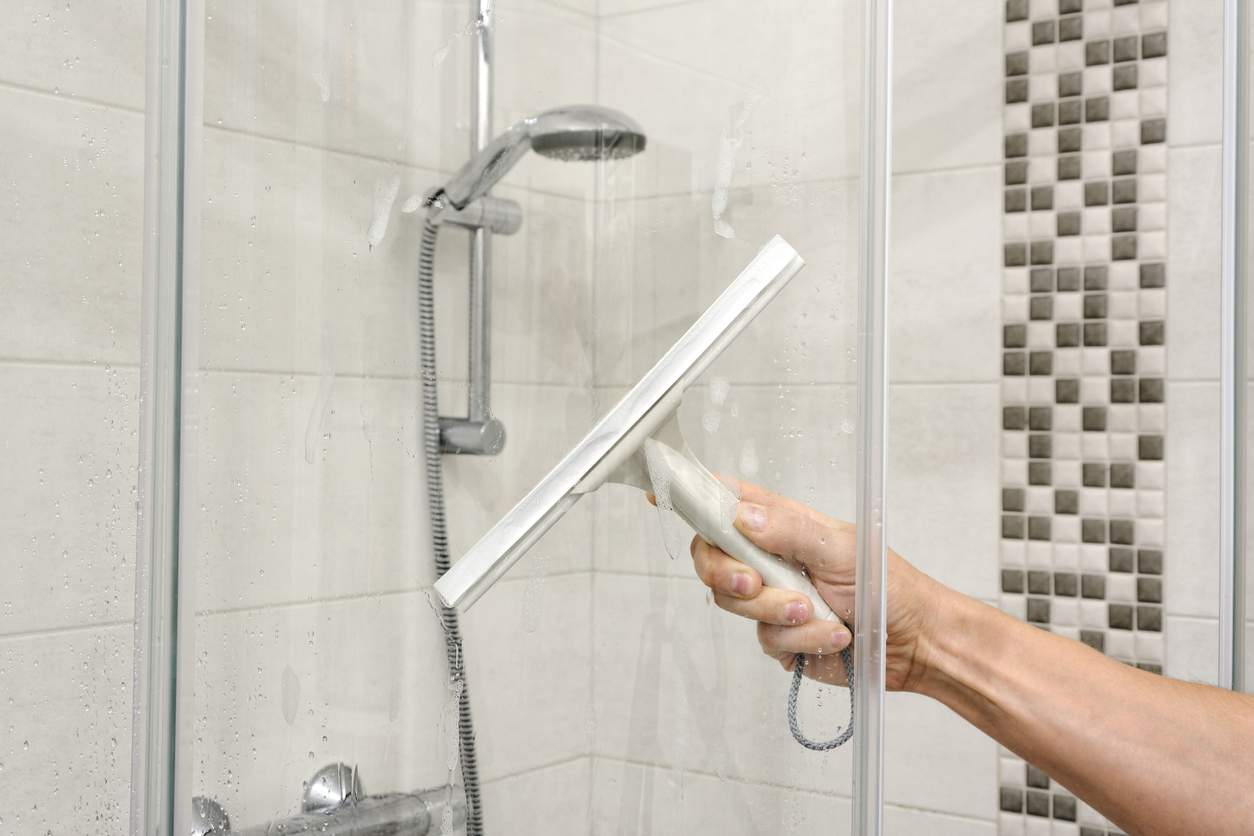
After every shower, run a squeegee down the tiles and glass panels — it takes about 20 seconds and dramatically reduces the moisture that settles into the silicone. Once a week, leave the shower door or curtain open to let everything air out properly. If you can, crack a window or run the extractor fan for a few minutes after bathing. These small habits go a long way toward keeping your freshly cleaned silicone mold-free for much longer.
Does bleach actually kill mold or just bleach it?
Household bleach kills mold when it has enough contact time to penetrate the surface. Simply wiping it on and rinsing quickly only removes the visible color. Leaving soaked cotton pads in place overnight gives the sodium hypochlorite time to reach the mold inside the silicone's pores.
Is it safe to use undiluted bleach on silicone sealant?
Yes, for occasional use undiluted bleach is safe on silicone. The key precautions are keeping it away from metal fixtures and colored fittings, working in a ventilated space, and wearing rubber gloves throughout.
How many treatments will it take to remove the mold completely?
One overnight treatment is enough in most cases. For older or deeply embedded stains, repeating the process on two or three consecutive nights usually does the job. If the mold has fully penetrated the entire thickness of the sealant, replacing the silicone strip may be the only permanent solution.
What if the mold keeps coming back after cleaning?
Recurring mold is almost always a ventilation problem. Using a squeegee after every shower, leaving the shower door open to dry, and regularly airing the bathroom will significantly reduce the moisture levels that mold needs to survive.