Our mood is deeply connected to the world of scents. Studies show certain aromas can positively impact our mental state, especially when it comes to processing traumatic experiences. In this article, we explore which scents can aid emotional healing and the science behind these effects.
Aromatherapy and Its Link to Trauma
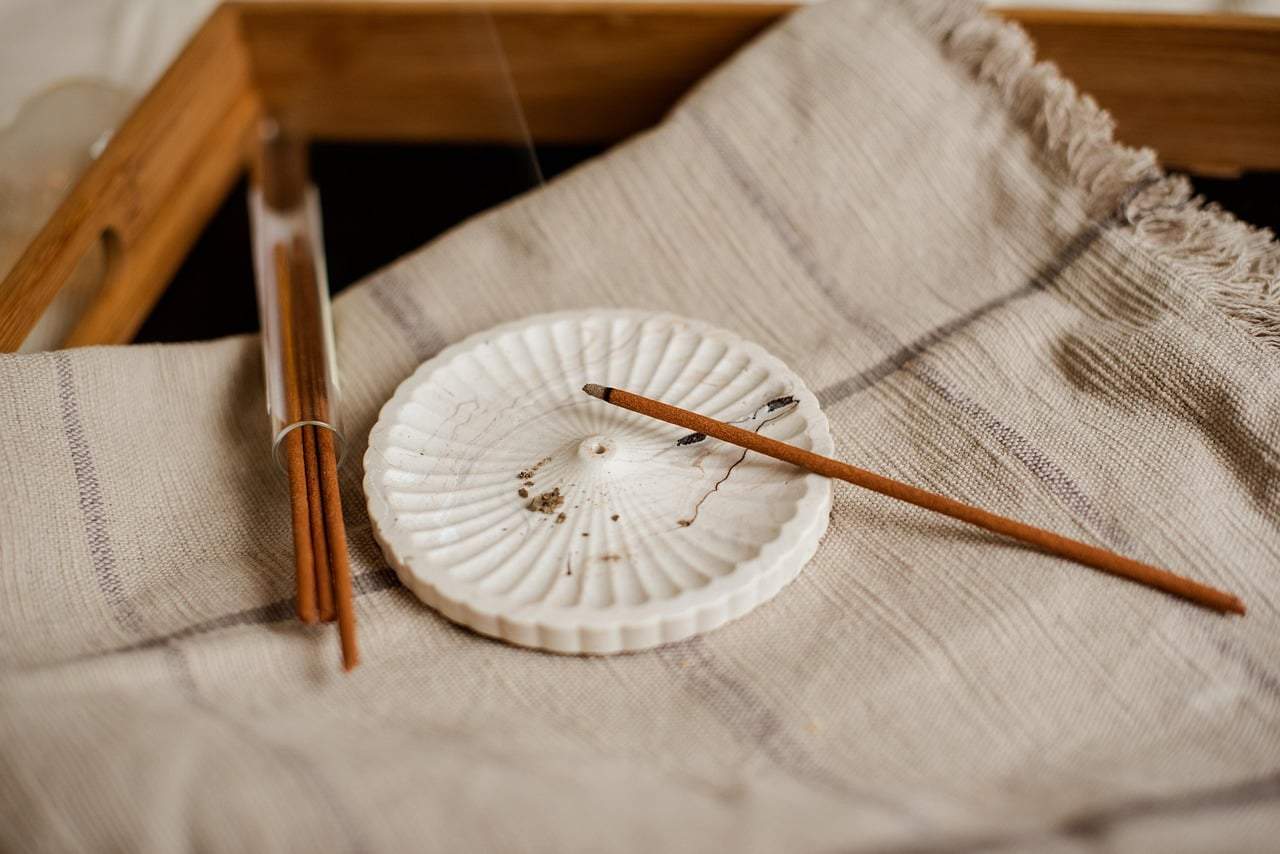
Aromatherapy has long been used to ease tension and boost mental well-being. Experts explain that scents directly influence the limbic system in our brain, which governs emotional responses. Research highlights that certain essential oils can lower anxiety and promote relaxation—especially helpful for those healing from trauma.
A 2013 study published in the Journal of Alternative and Complementary Medicine found that lavender scent significantly reduces stress levels.
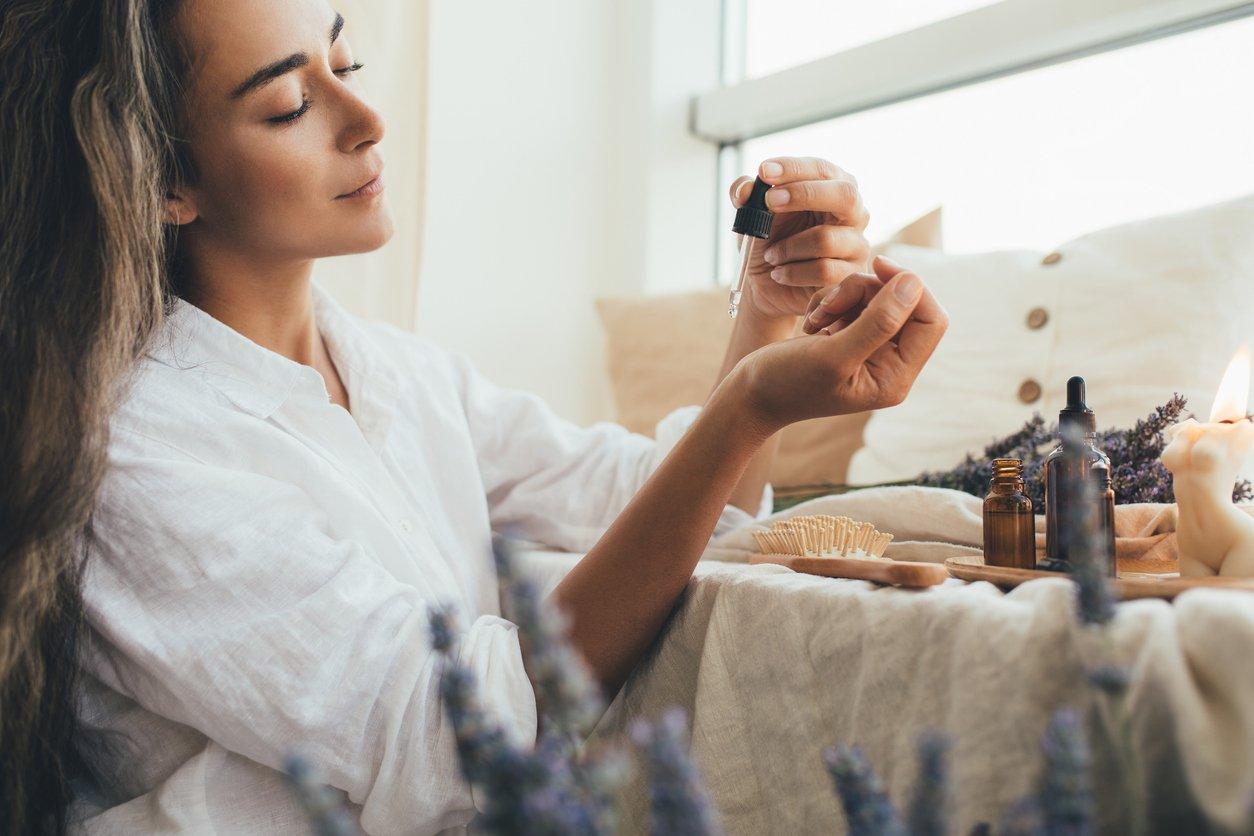
Lavender: The Scent of Calm
Lavender’s aroma is celebrated worldwide as a source of peace and harmony. A 2017 study in Frontiers in Behavioral Neuroscience showed that regularly inhaling lavender positively affects brain wave activity, easing anxiety. Beyond stress relief, it’s also used to improve sleep quality—vital for trauma recovery.
Peppermint: Refreshing and Energizing
Peppermint’s scent can boost energy and sharpen mental clarity. A 2018 study in the Journal of Clinical Psychology revealed that inhaling peppermint enhances focus and reduces fatigue—perfect for those feeling drained while processing trauma.
Rose: The Emotional Healer
Rose scent plays a role in restoring emotional balance. According to a 2009 study in the International Journal of Neuroscience, rose oil reduces depression symptoms and encourages the release of happiness hormones like dopamine. This makes it a powerful ally in healing emotional wounds after trauma.
Citrus Fruits: A Boost for Positive Vibes
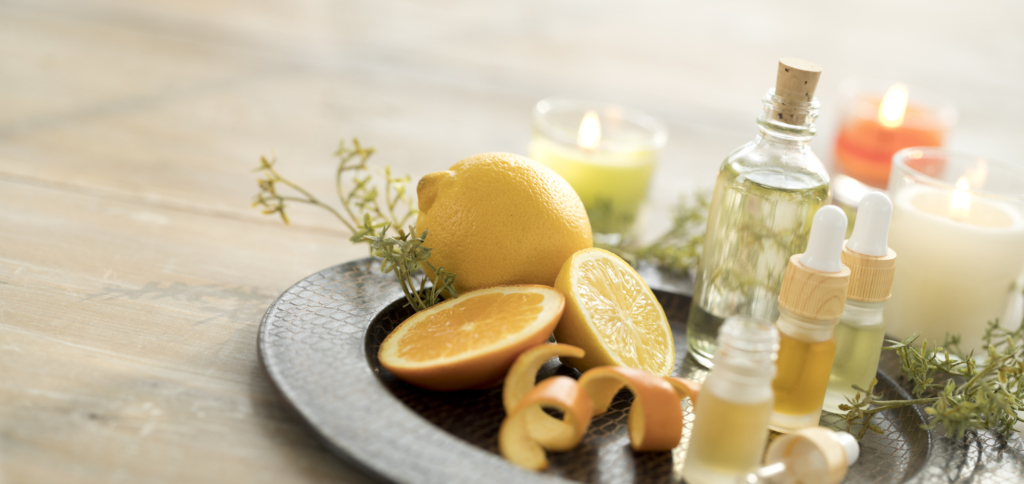
The fresh, uplifting scent of citrus fruits can brighten mood and increase vitality. A 2016 study in Psychiatry Research found that inhaling citrus oils raises serotonin levels, supporting overall well-being and helping overcome mental exhaustion—freeing up energy to heal from trauma.
Choosing Scents That Fit You
It’s important to remember that scent effects vary from person to person. While these aromas generally promote well-being, trust your own feelings to find the scents that soothe you best. Personal preference makes aromatherapy even more powerful.
Aromatherapy doesn’t replace professional psychological care but can be a wonderful complement for managing stress and healing trauma. If you’re curious about scents, try these essential oils and notice how they make you feel. You might just discover a new way to nurture your emotional well-being.