What if your home could feel completely uncluttered and deeply cosy at the same time? That's exactly the promise of soft interior — the design trend quietly taking over Pinterest boards and real living rooms alike. It's not about stark minimalism, and it's not about piling on the cushions. It's something more considered than both.
Natural materials are the foundation
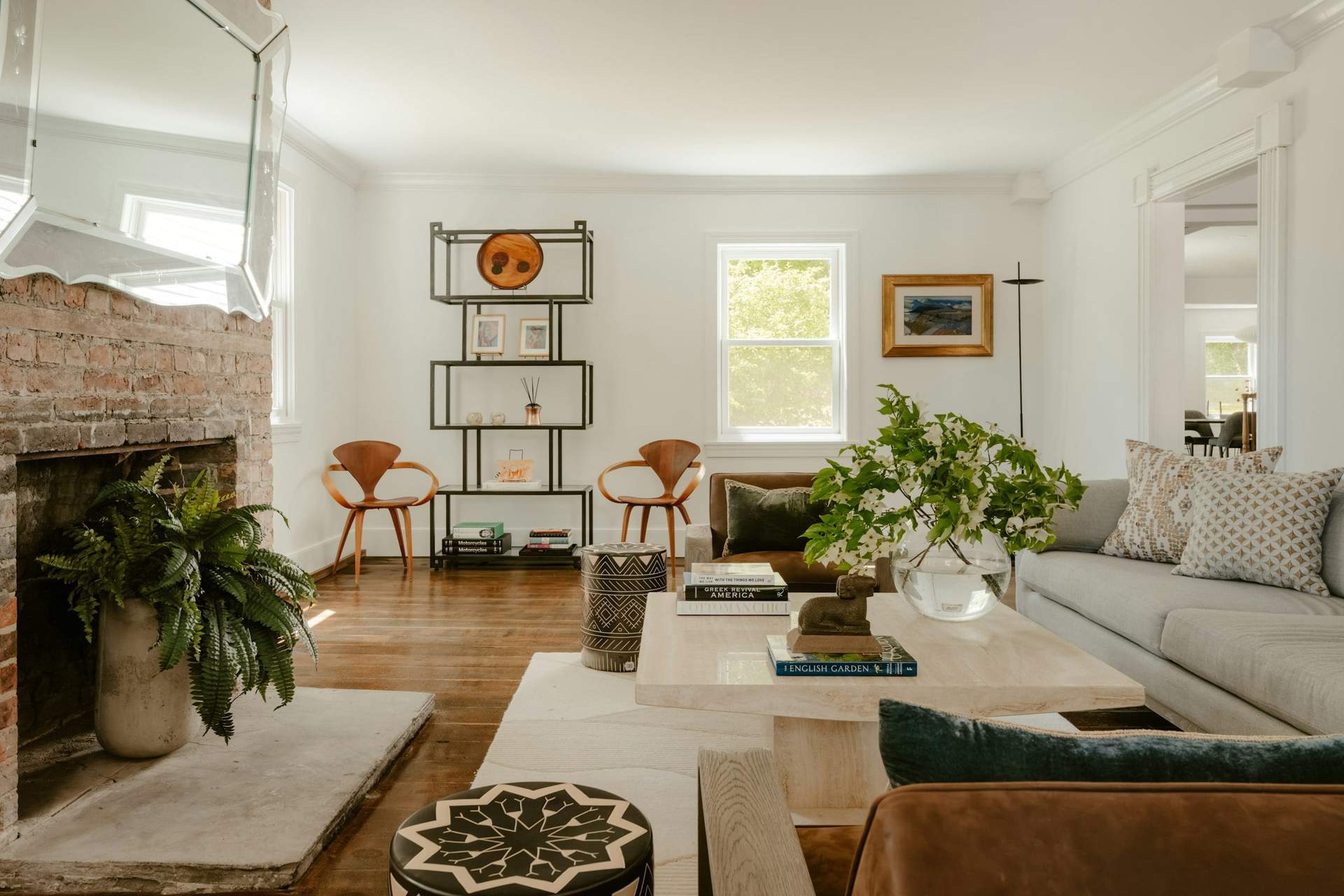
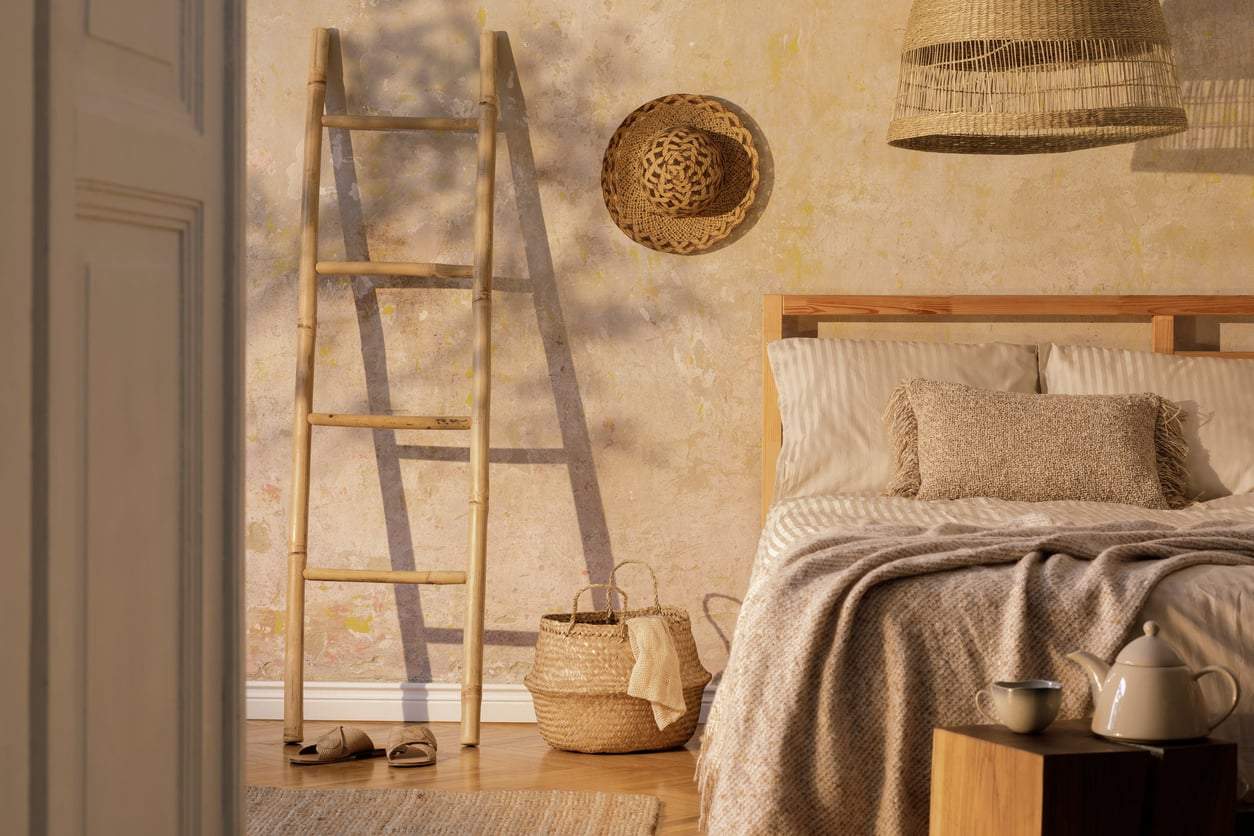
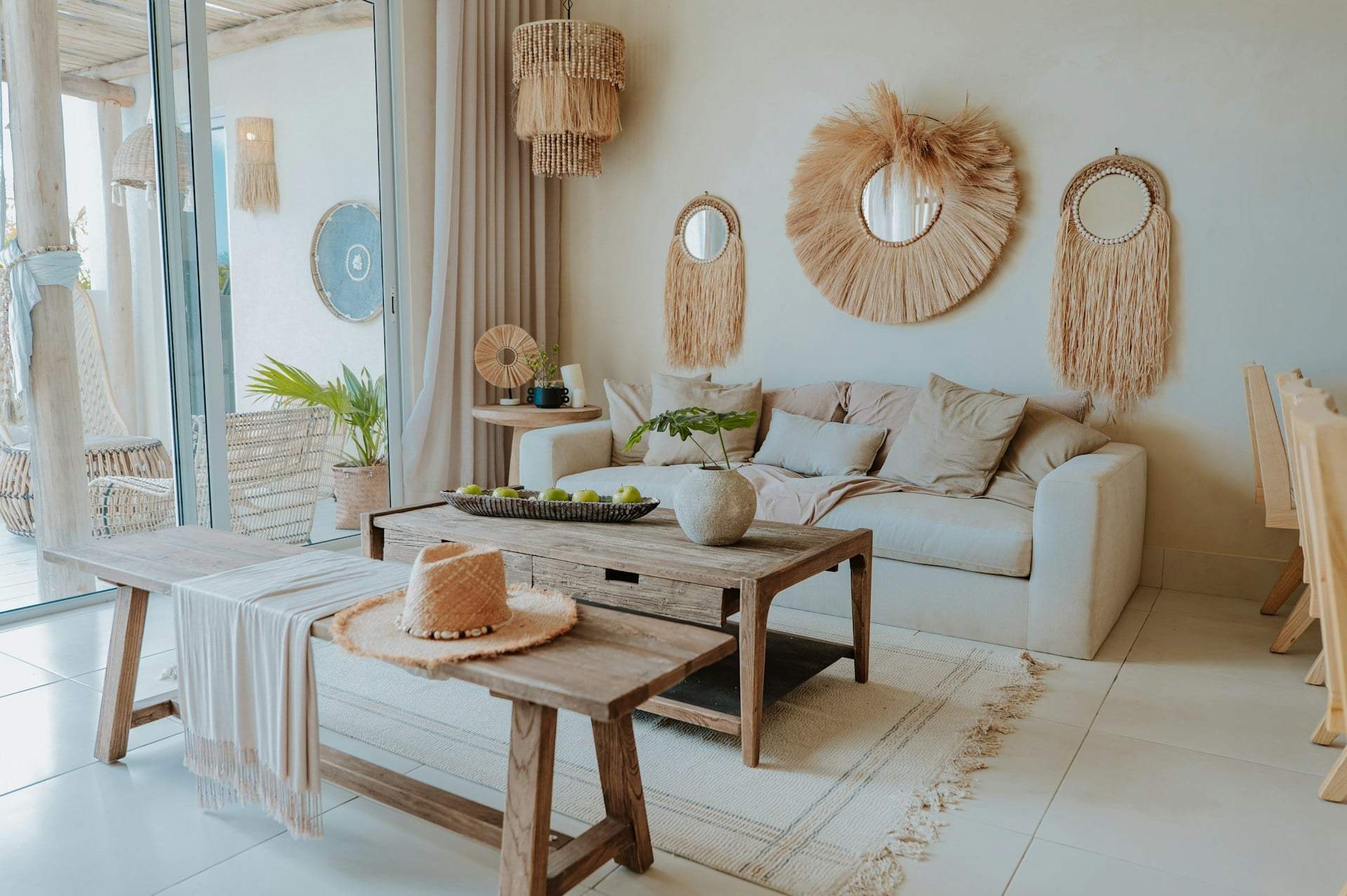
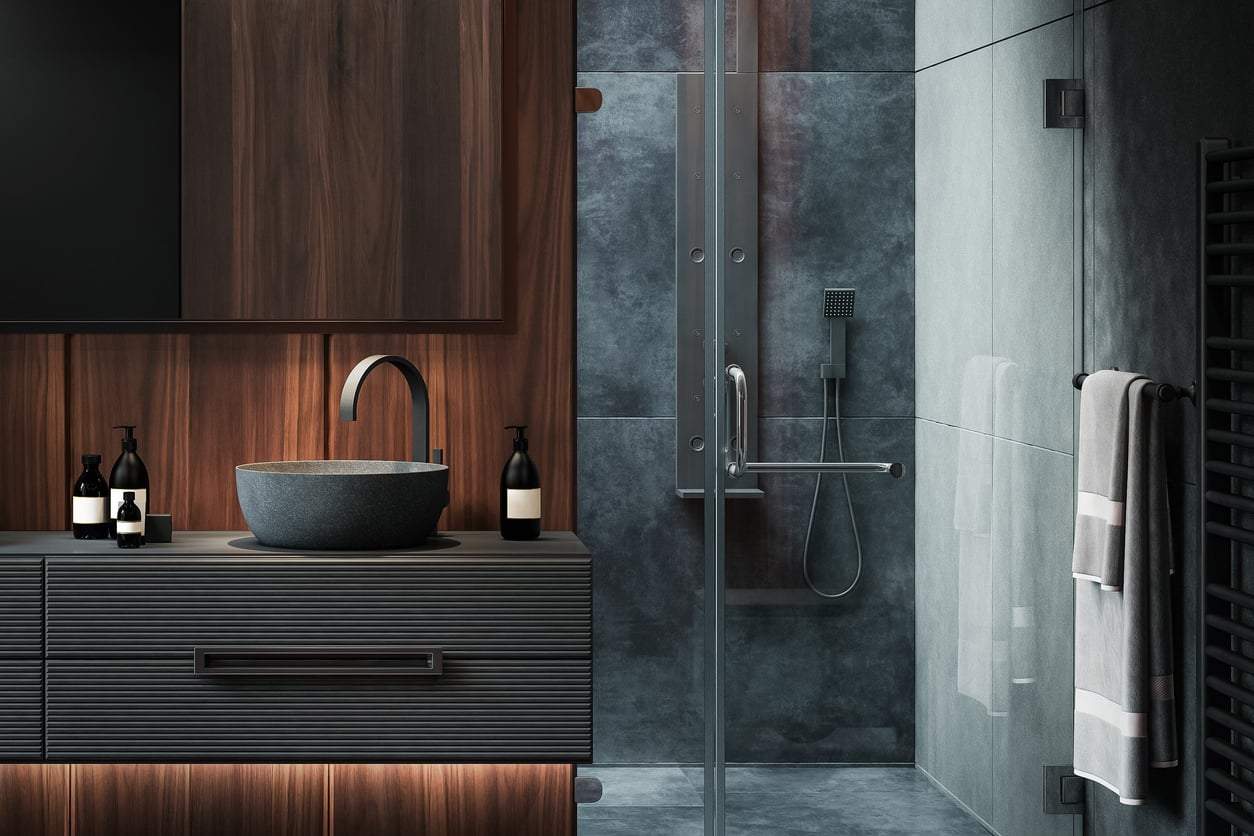
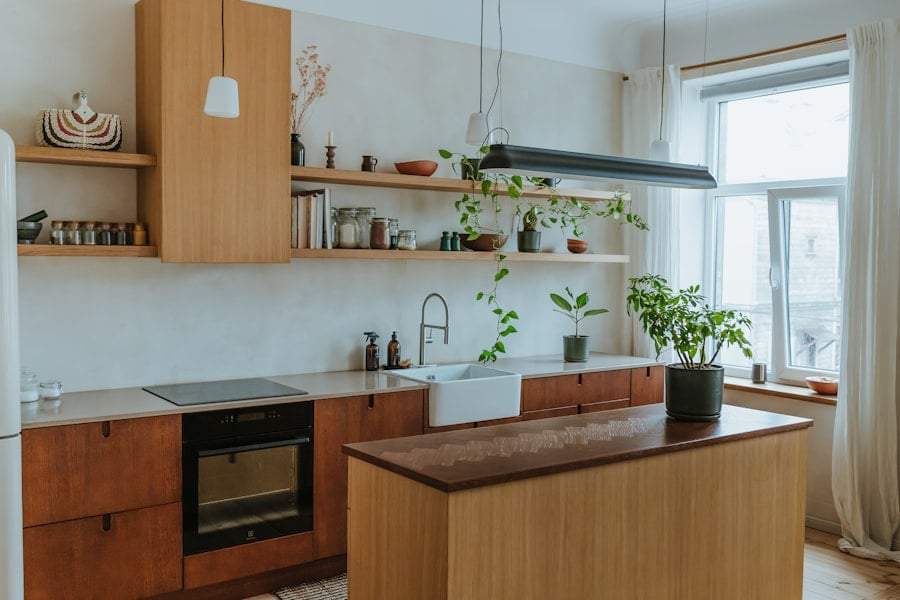
At the heart of soft interior is a commitment to materials that feel good — not just look good. Wood, stone, rattan, linen: these aren't just aesthetic choices. They bring a tactile warmth to a room that no paint colour alone can achieve.
Pair these materials with a palette drawn from nature — think warm earth tones, muted greens, dusty blues, and soft creams — and you already have the bones of a soft interior space. The colours don't shout. They settle.
Less, but more intentional
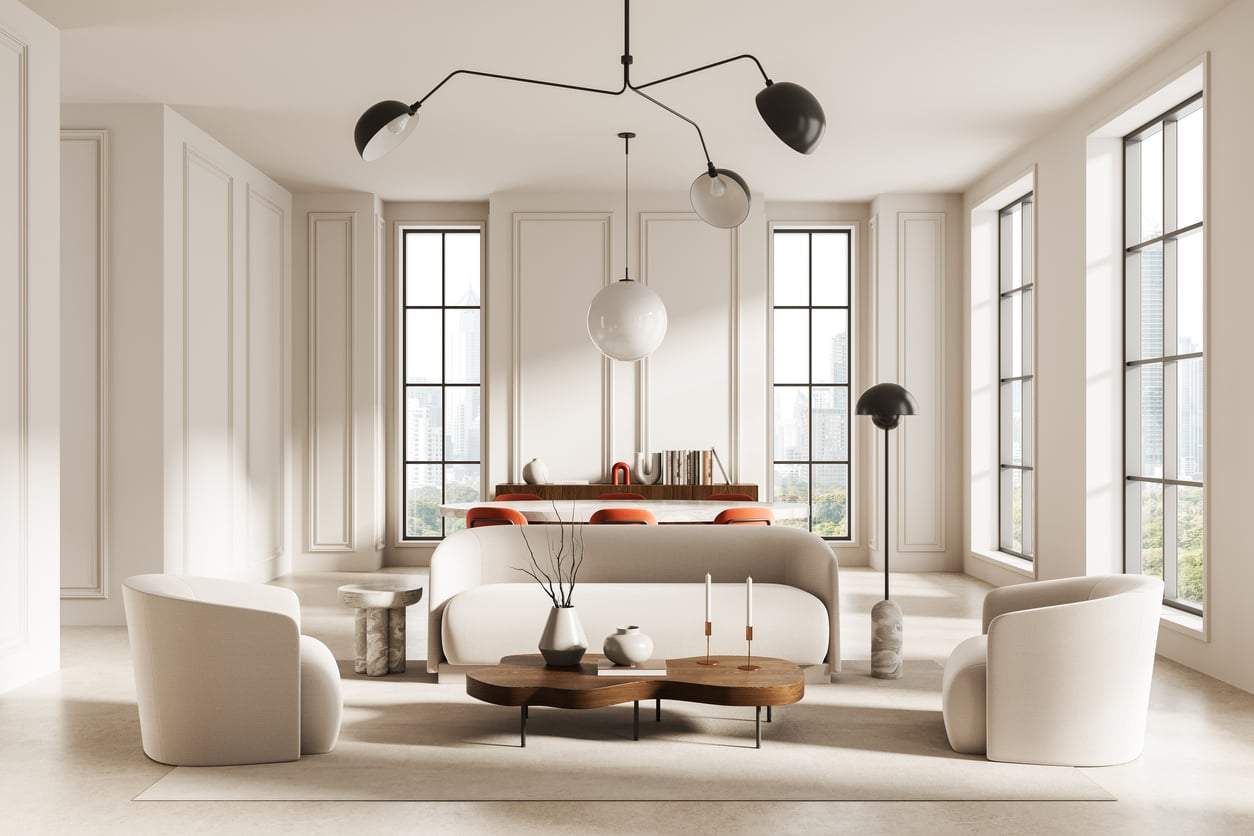
Soft interior isn't minimalism in its coldest form. It's intentional simplicity. Every piece of furniture, every object on a shelf, earns its place. There's no clutter — but there's also no emptiness.
The difference between a soft interior room and a bare one is curation. Each item either serves a purpose, carries meaning, or adds beauty. Ideally, all three.
Lighting and texture: the details that change everything
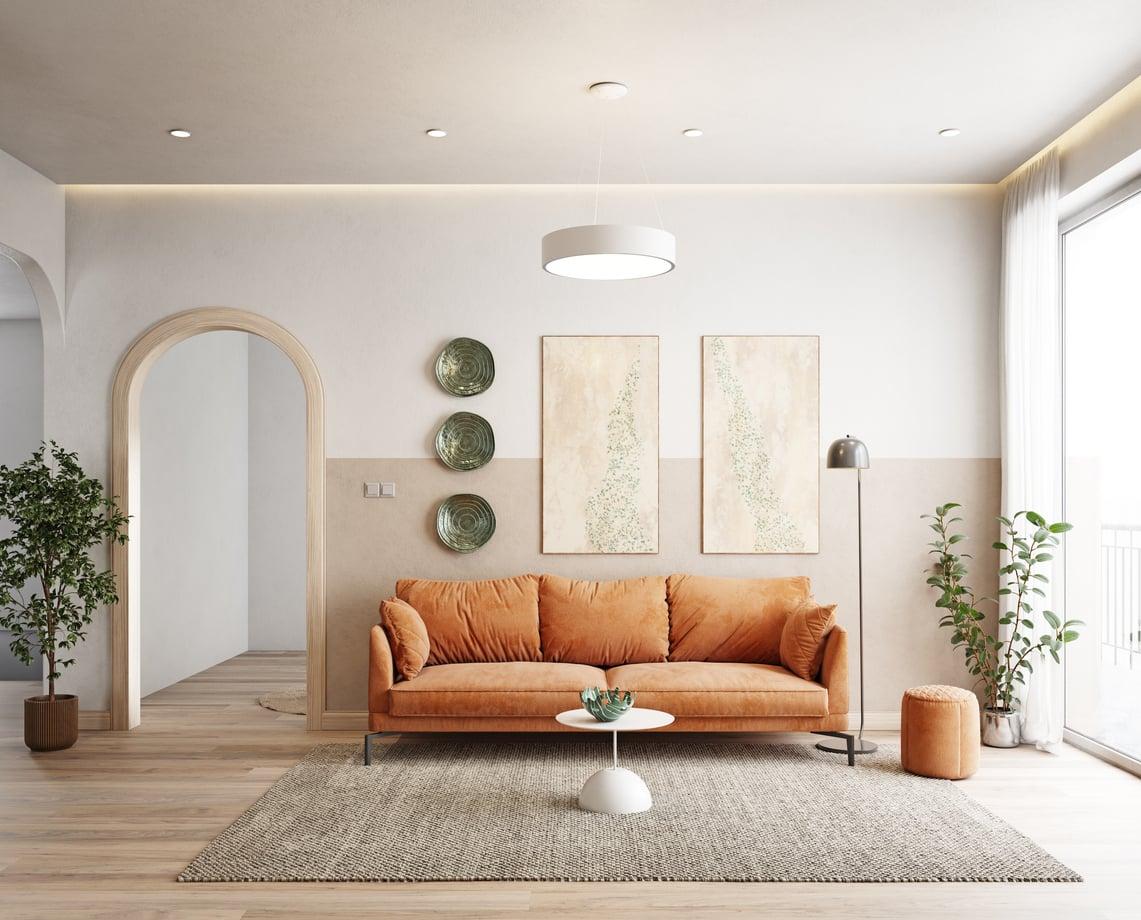
If you want to understand soft interior quickly, look at the lighting. Harsh overhead lights are out. Warm, layered lighting — floor lamps, table lamps, candles — creates the kind of glow that makes a room feel like a refuge rather than a showroom.
Texture works the same way. Chunky knit throws, a wool rug underfoot, a velvet cushion on a linen sofa — these contrasts add depth and comfort without visual noise. The room becomes something you want to sink into.
The power of touch: soft layers throughout the home
Soft interior pays close attention to how a home feels underhand and underfoot. Throws draped over a sofa, cushions stacked on a reading chair, a generous rug anchoring the living area — these aren't afterthoughts. They're part of the design logic.
The beauty of this approach is how personal it can be. Mixing textures and materials gives you room to express your own taste while staying true to the overall mood of calm and comfort.
Make it yours — personality is part of the style
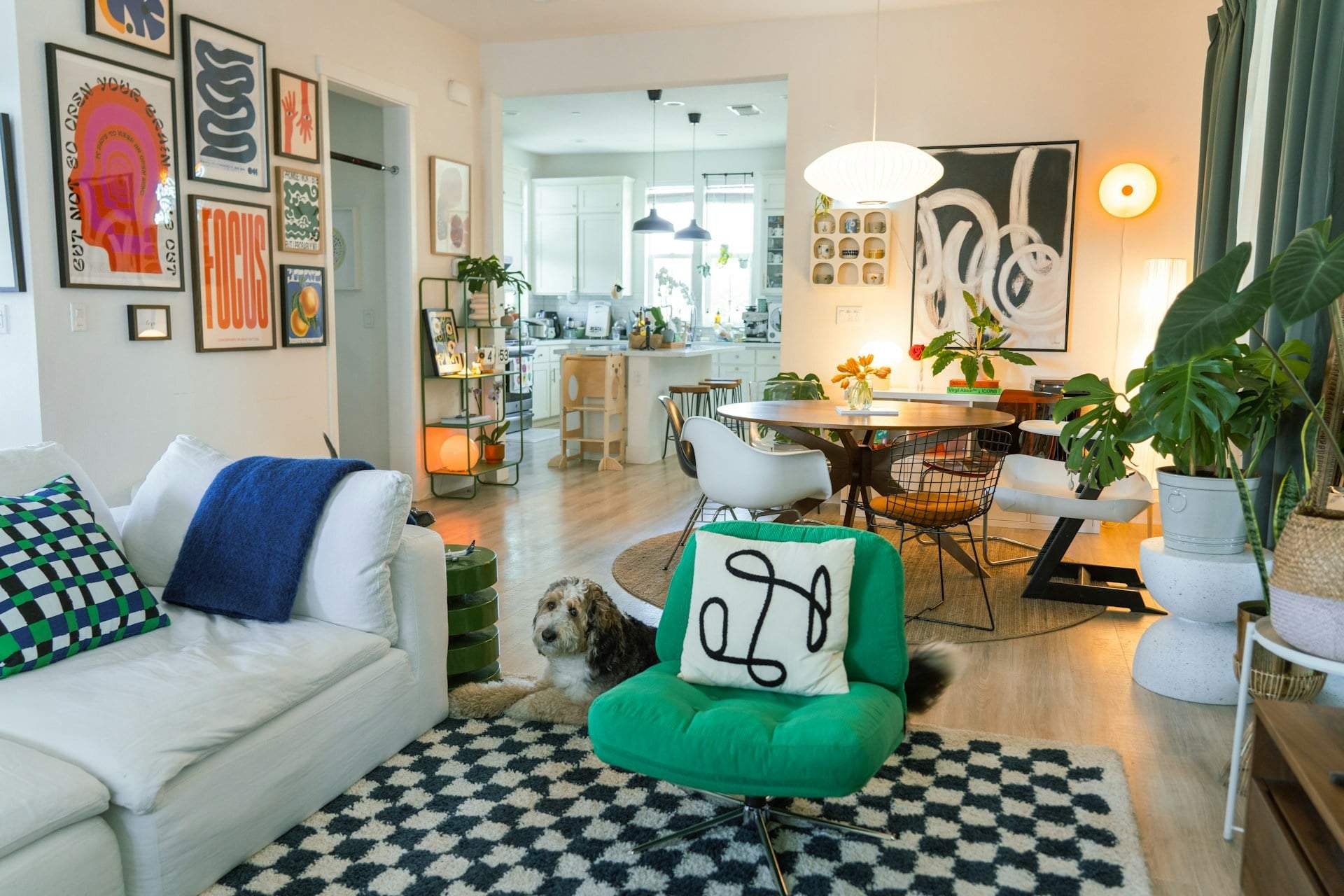
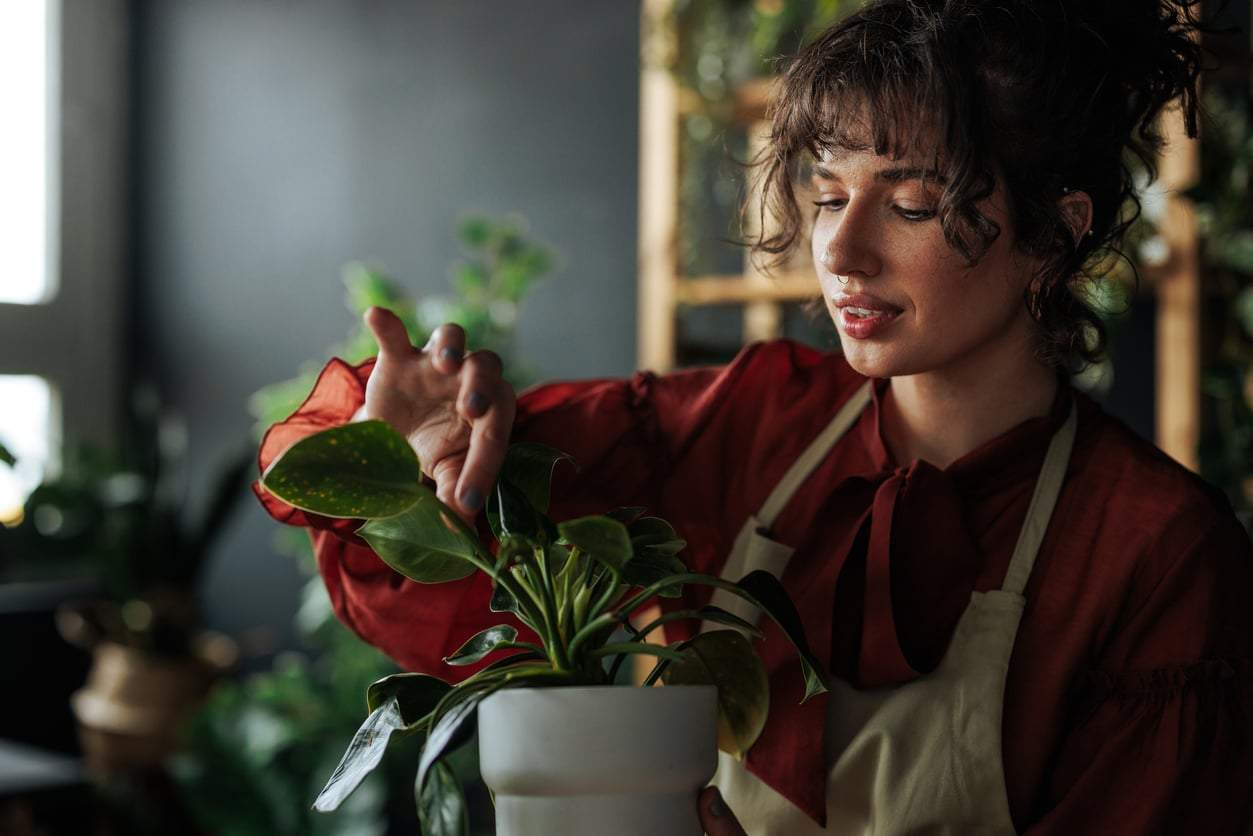
A soft interior home is not a catalogue page. The trend actively encourages you to bring in the things that matter to you — a favourite object collected on a trip, a framed photo, a plant you've had for years. These personal touches are what separate a beautiful space from a truly meaningful one.
Don't be afraid to mix the curated with the personal. That tension is exactly what makes soft interior feel alive.
Why this trend feels so right right now
The way we relate to our homes shifted significantly in recent years. More time spent indoors made people realise that a home needs to work emotionally, not just visually. A beautiful room that feels cold or stressful isn't really doing its job.
Soft interior answers that need directly. It offers clarity without austerity, and warmth without chaos. In a world that often feels overwhelming, coming home to a space that genuinely calms you down is no small thing.
Ultimately, soft interior isn't just a decorating style — it's a way of thinking about how your surroundings affect how you feel. And that, more than any trend, is worth paying attention to.