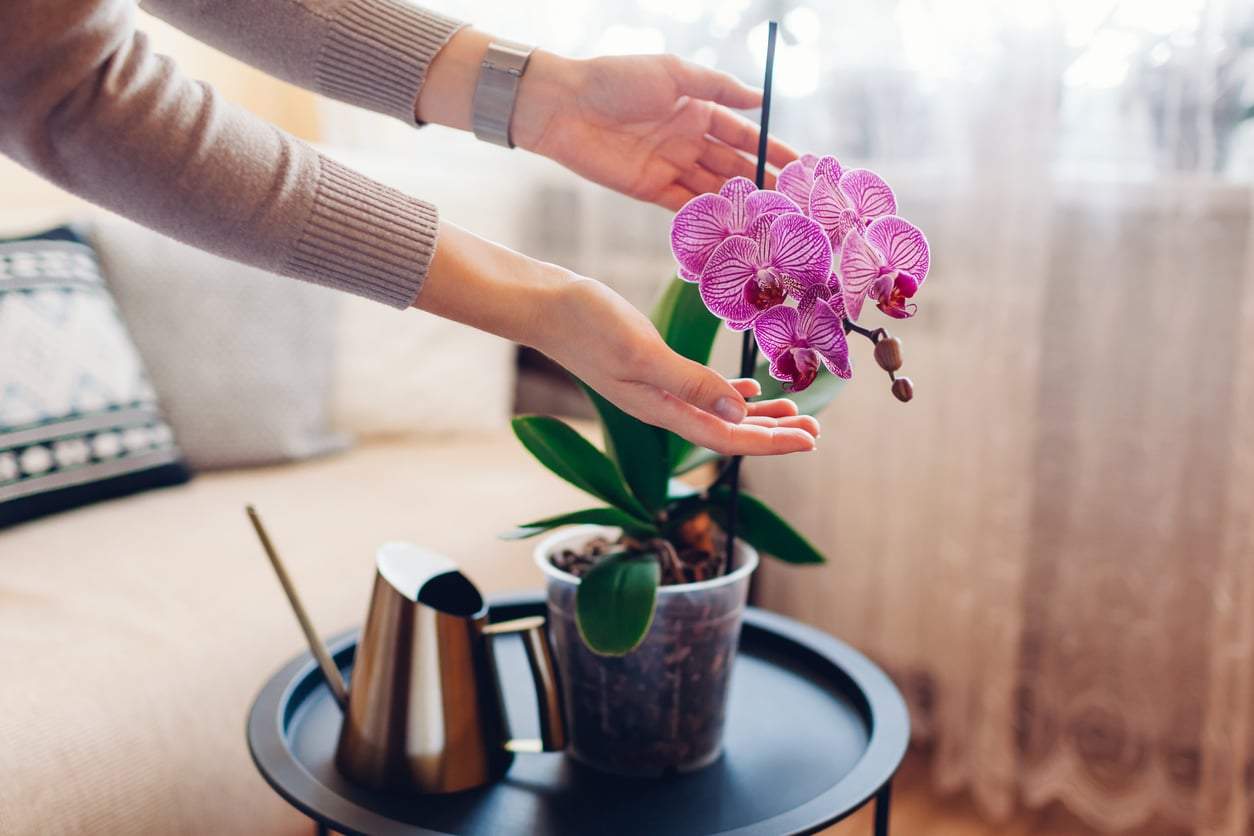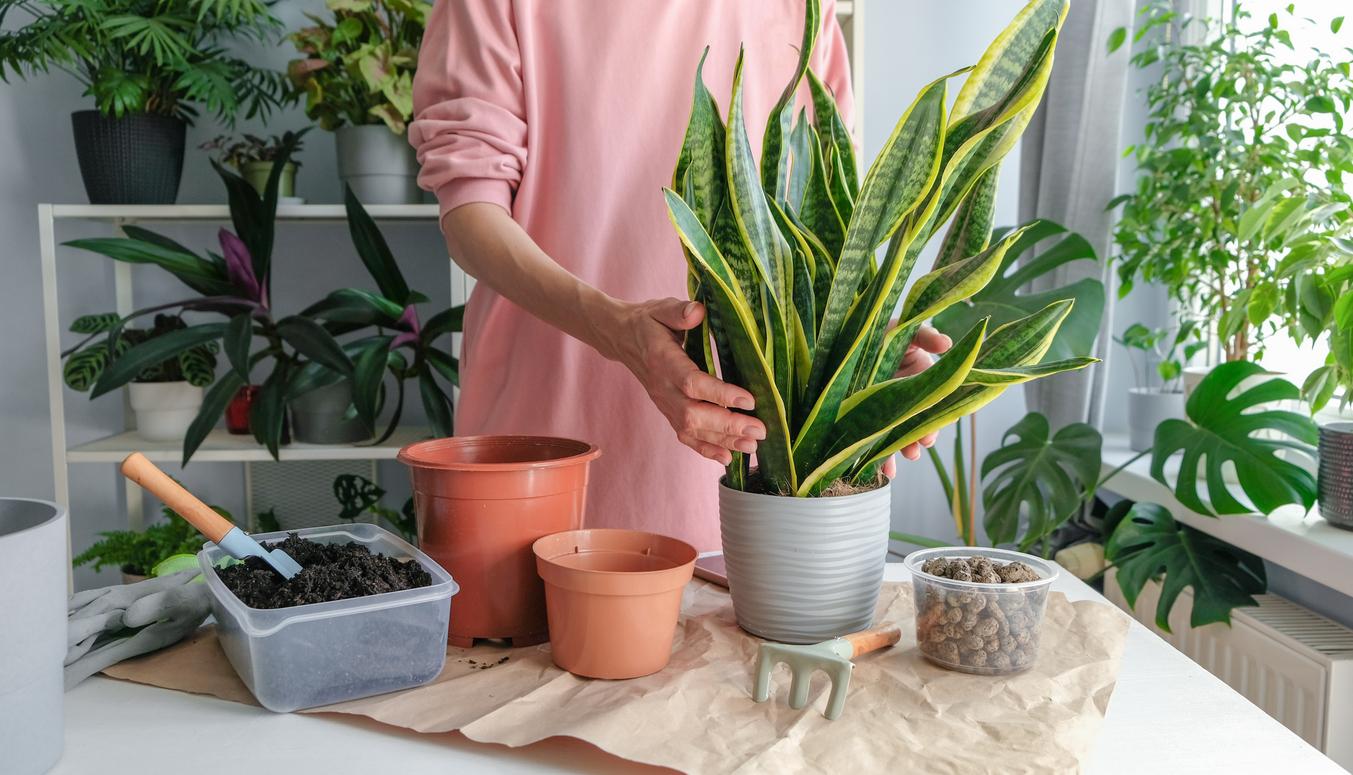
Remember the moment you decided to become a proud plant parent and brought home that stunning snake plant or weeping palm? A few weeks later, those leaves started drooping suspiciously… and you, with the best intentions, tried to revive it with another round of watering.
If this sounds familiar, here’s some good news: you’re not alone, and you’re probably making the same surprising mistake most new plant owners do. Here’s the twist: many plants don’t die from underwatering, but from overwatering. That’s what Justin Hancock, a horticulture expert at Costa Farms, and Savannah Toal, founder of Plant Savvy in Nashville, shared with Southern Living.
The “Too Much Love” Problem
Justin Hancock explains that most people simply don’t realize plant roots need air too.
A good potting mix is like a “chocolate cake,” he says—crumbly and full of tiny air pockets where roots can breathe.
But when a plant gets too much water, the air in the soil is replaced by water. According to Hancock, the roots simply suffocate. The tricky part is that overwatered plants can also droop, which might seem like they’re saying, “I’m thirsty!”
Savannah Toal points out this common misconception: drooping often signals root rot, and if unnoticed, the plant is likely doomed.
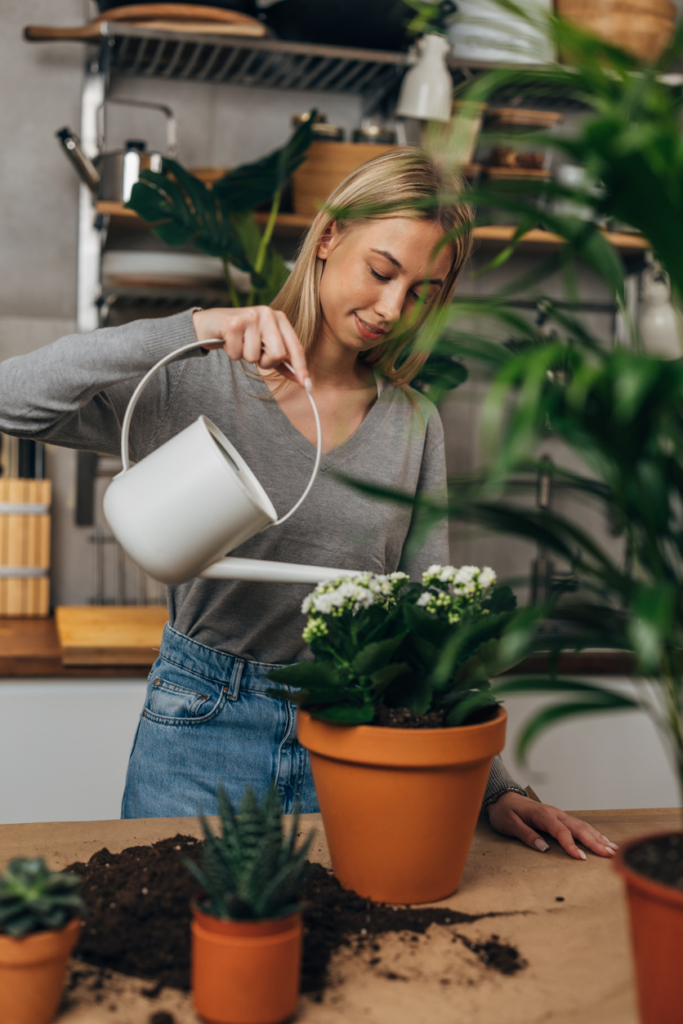
Signs You’re Overwatering Your Plants
If you notice these, your plant is probably getting too much water:
- droopy, soft leaves,
- yellowing foliage,
- soft, slimy stems,
- soil that feels sticky and clumps together when touched
Toal says if the soil sticks together in a clump when you squeeze it, it’s definitely too wet.
The Test Every Plant Parent Should Know
- The classic "finger test"
The simplest and most reliable method: stick your finger about an inch into the soil. If soil sticks to your finger → it’s still moist, so hold off on watering. If it’s dry → time to water. Toal says this is the best way to learn how quickly each plant dries out. - Wooden stick or soil probe
If you want to keep your hands clean, use a wooden stick or soil probe to pull up some soil and see what’s happening deeper in the pot. - Weight test – the secret of pros
Lift the pot right after watering, then again a few days later. Hancock says the weight tells you a lot. With practice, you’ll sense when the “water reserve” is gone just by feel. - Forget moisture meters
Toal warns these gadgets can be unreliable or break without you noticing, and they don’t teach you anything. Experience caring for your plants is the real game-changer.
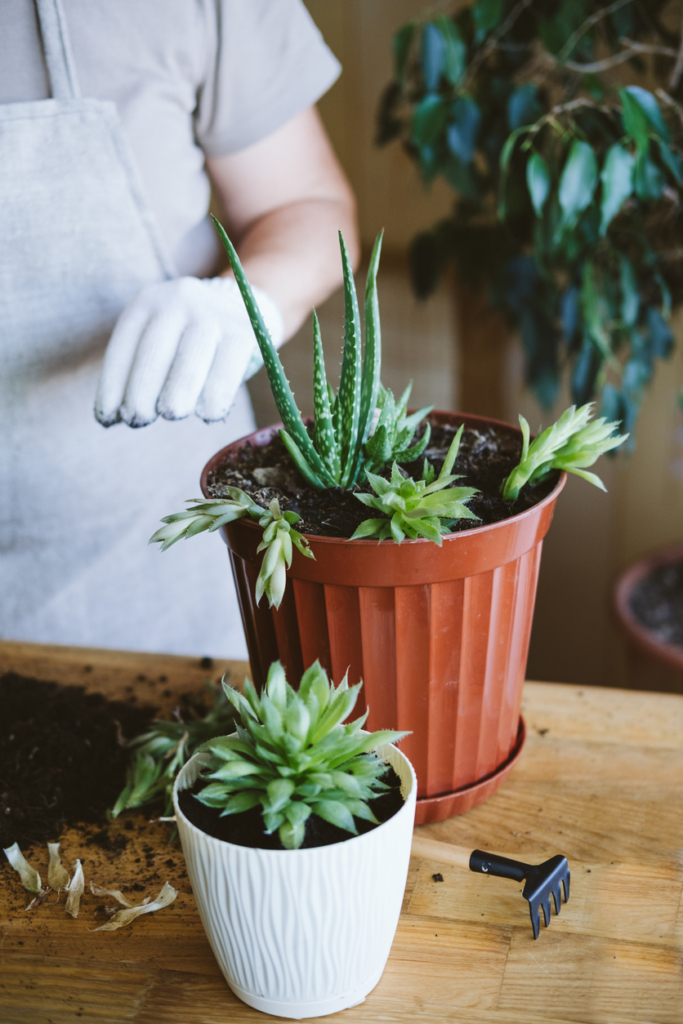
How to Water Right and Help Your Plants Live Longer
Don’t water by the calendar!
Hancock emphasizes that watering depends on the plant’s condition, not the date. Check the soil once or twice a week—maybe during your morning coffee.
Always ensure drainage
Toal insists pots must have holes at the bottom so excess water can escape.
Water slowly and thoroughly
Circle around the pot and evenly soak the soil to reach all roots.
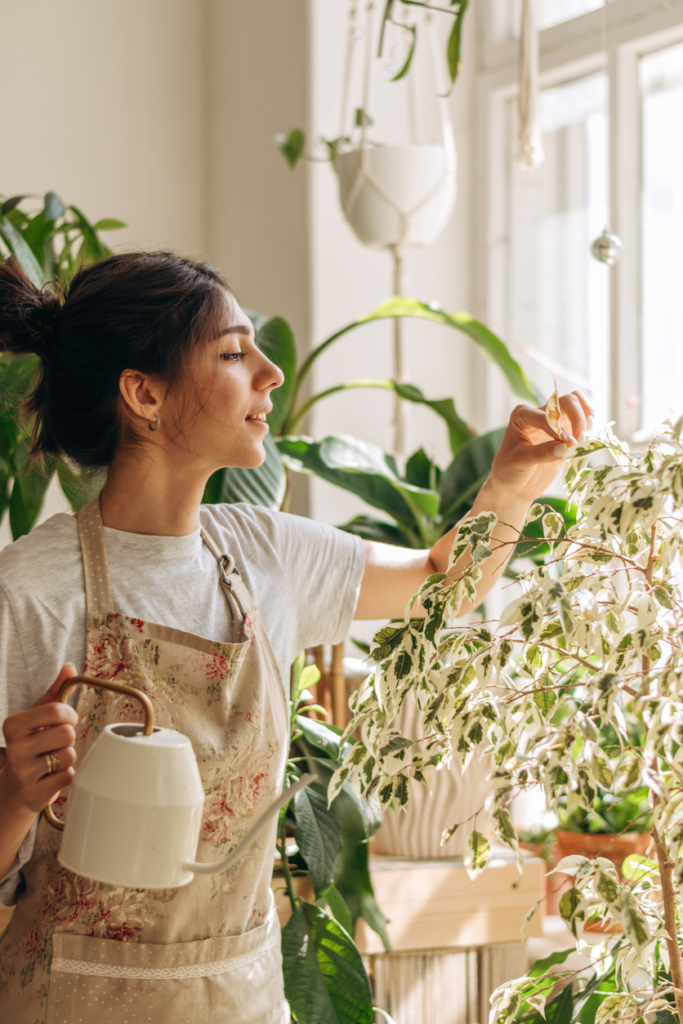
Watch your environment
Heating dries the air faster in winter, and summer brings more light—both affect how often your plants need watering.
Try a self-watering pot
If you’re unsure or have plants that prefer consistently moist soil (like nerve plants or ferns), Hancock recommends self-watering pots as a great option.
Most importantly: don’t be hard on yourself if a plant doesn’t make it
Toal reminds us even pros lose plants sometimes: “Everyone loses a plant now and then, but you learn from experience and try again.”
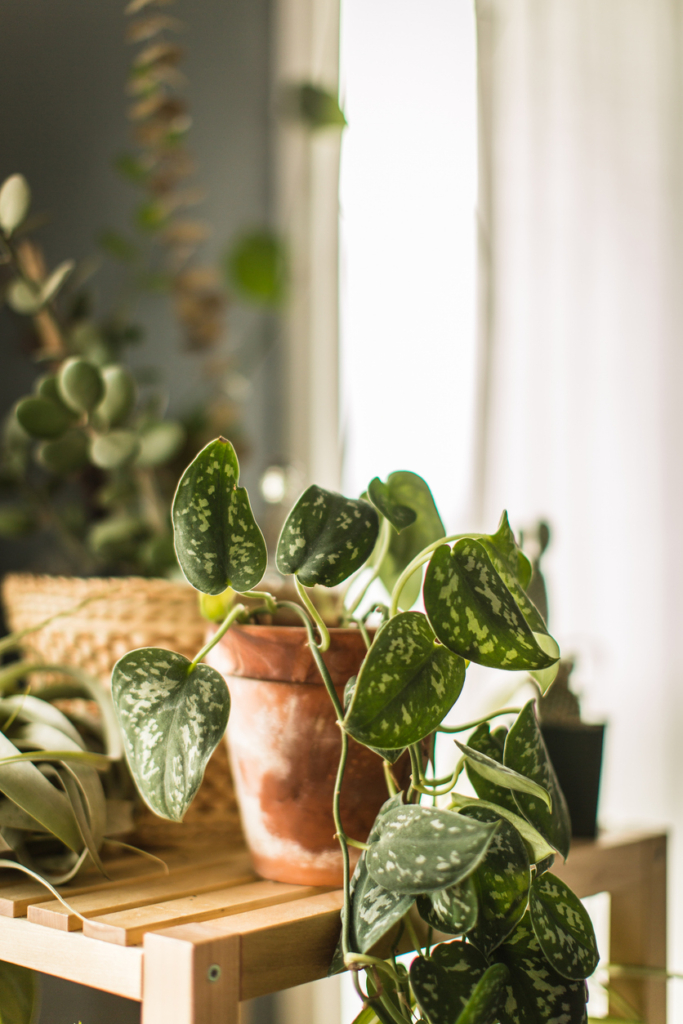
One small choice can keep your green roommates alive
Taking care of houseplants isn’t magic—it’s often just about paying attention and being patient. When you learn to read your soil and water thoughtfully, your plants will likely grow happily and gratefully.