When it comes to our pets’ happiness and well-being, it’s key to know that some dog breeds are more prone to separation anxiety. This emotional state kicks in when a dog is left alone for a longer time without their owner. Let’s explore which breeds are most affected by this.
Border Collie
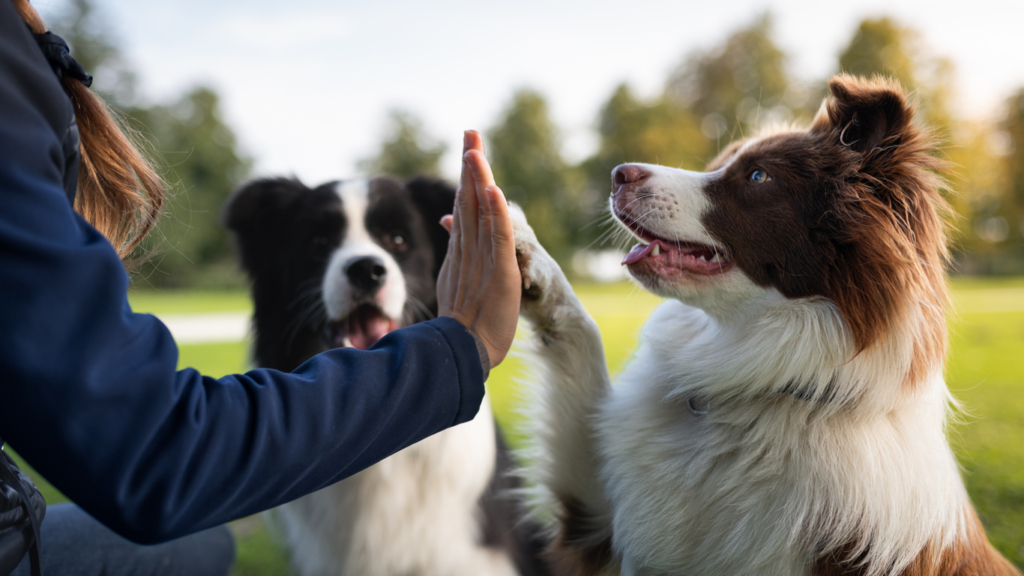
Border Collies are incredibly smart and energetic dogs that thrive on constant mental and physical stimulation. When left alone without their owner, they may miss their usual activities, which can lead to anxiety.
Known for their workaholic nature, these dogs need to stay active. Boredom can quickly trigger anxiety, often causing destructive behaviors like chewing or digging.
Labrador Retriever
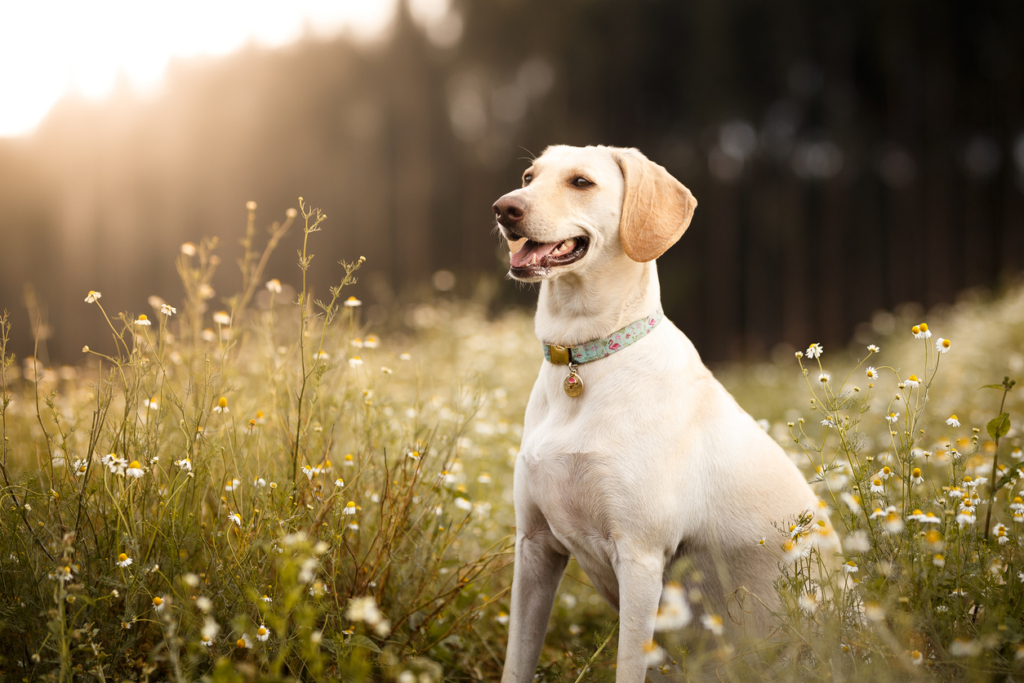
Labradors are famous for their kindness and strong family bonds, which can make them anxious during lonely hours. Their deep attachment means they feel the absence of their owner keenly.
They thrive on regular human interaction and physical activity, so keeping a steady daily routine is vital. Without it, signs of anxiety can intensify.
Jack Russell Terrier
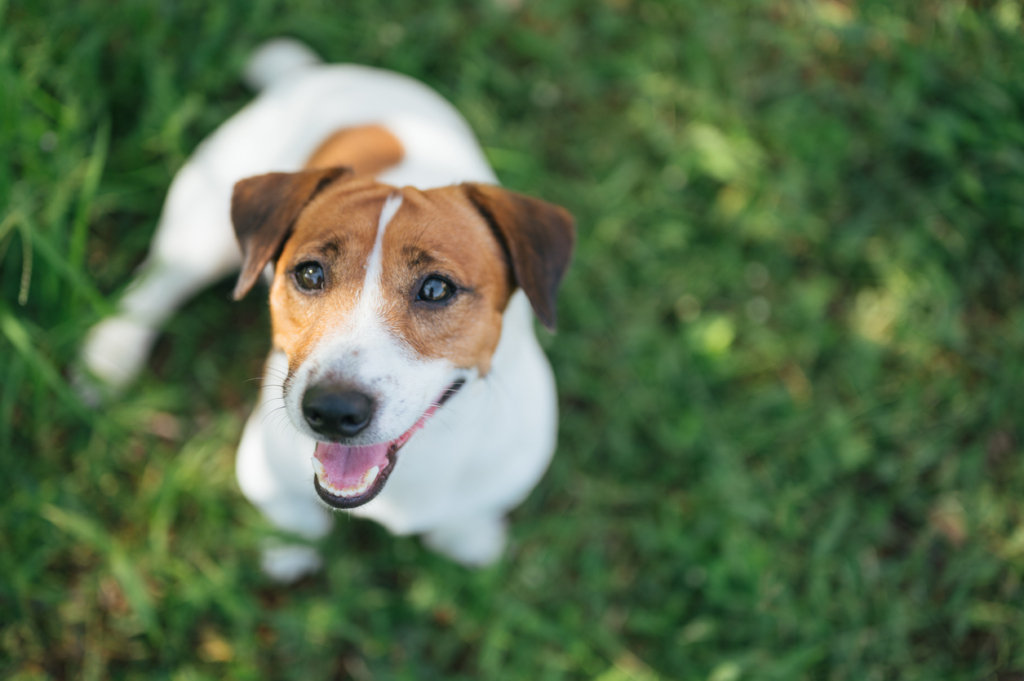
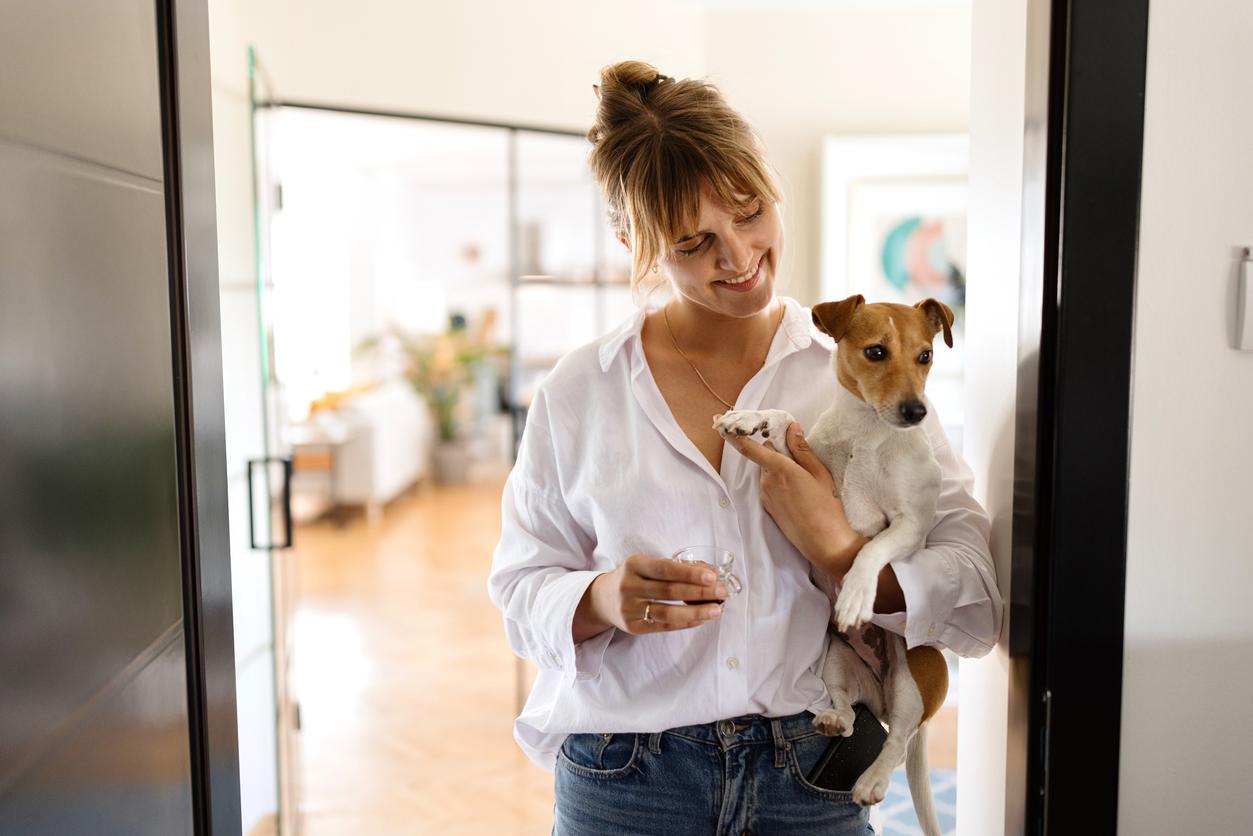
These small but lively dogs pack a big adventurous spirit. Jack Russells are known for their curiosity and active nature, which means they need constant mental and physical challenges.
Their close bond with their owner makes them prone to anxiety when left alone. Daily movement and companionship are must-haves for their well-being.
Saint Bernard
Though Saint Bernards are calm and gentle due to their size, they can be emotionally sensitive to their owner’s absence. Their deep love for family means separation anxiety isn’t uncommon when left alone for extended periods.
While they’re usually not overly worried about lack of exercise, their emotional need for connection shapes their experience the most.
Bichon Frise
The Bichon Frise is a charming little family dog with a strong attachment to its humans. They can become sad and restless if left alone for too long, often expressing this through barking or chewing.
Daily engagement and attention are crucial for these dogs, helping reduce the impact of separation anxiety. Their playful nature and dependence on their owner mean they need constant companionship and care.
How Can We Help Our Anxious Dogs?
To ease anxiety, gradually getting your dog used to your absence is key. Relaxation tools like special toys or scent diffusers can also help make alone time easier.
Keeping your dog mentally and physically active is essential—especially for breeds with high energy and task needs.
Creating a friendly, welcoming environment is important. If anxiety signs persist or worsen, seeking expert advice ensures your furry friend stays balanced and happy long-term.