How Does Heat Affect Bugs?
Bugs are ectotherms, meaning their body temperature depends on the environment. That’s why heat is often used to control pests like bed bugs and cockroaches. Many bugs, like bees and ants, thrive and become more active in moderate warmth. But when temperatures soar too high, it stresses them out, pushing them to seek refuge from the heat. Temperatures between 38–49°C (100–120°F) can be deadly for many species.
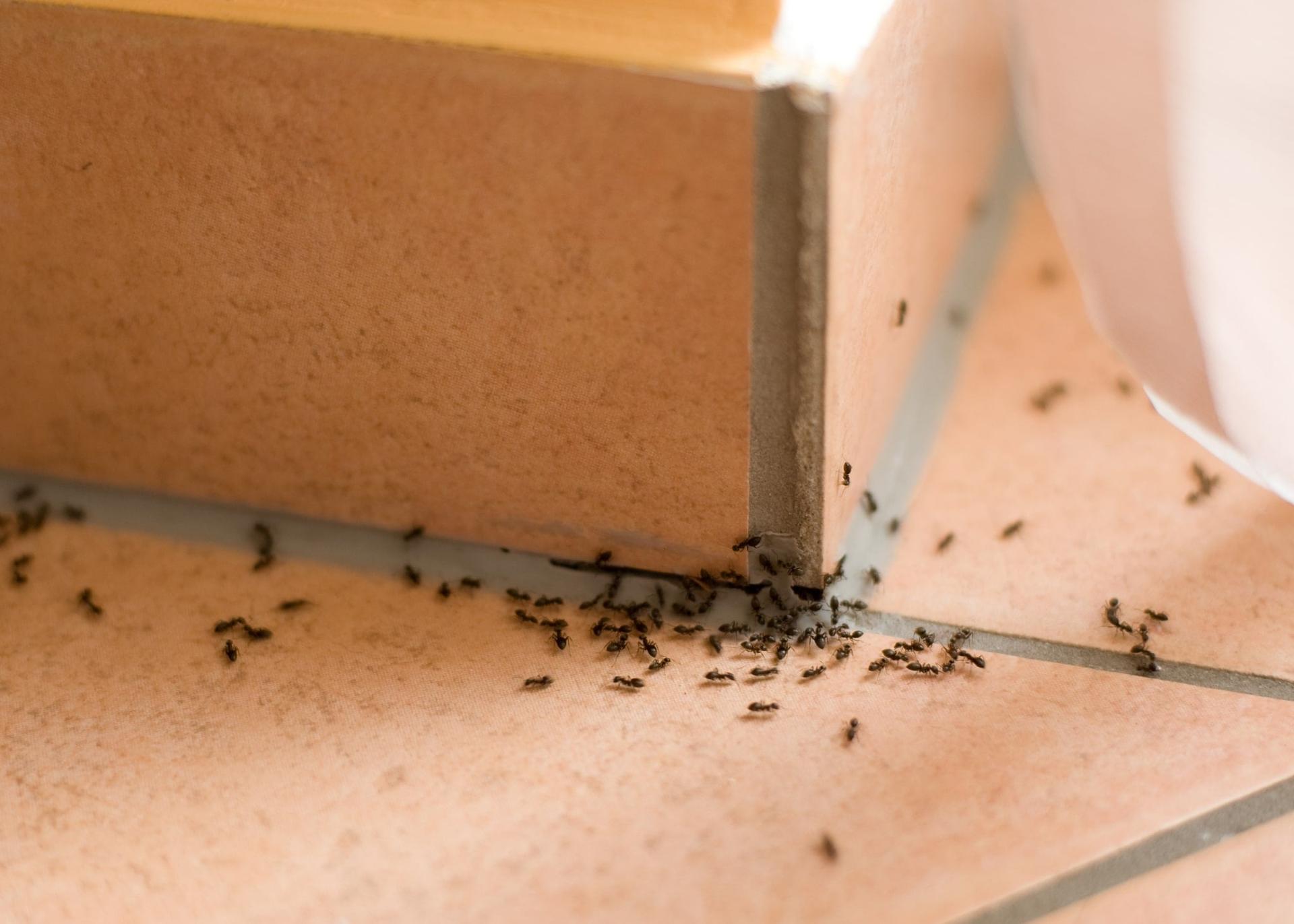
“Warm but not lethal temperatures—or the presence of cooler hiding spots—can actually cause bug populations to explode,” says pest control expert Adham Perriseau. “Heat speeds up their metabolism and life cycle. Eggs hatch faster, larvae develop quicker, and adults reach maturity sooner, leading to more generations in less time.” This rapid cycle means bug numbers can skyrocket during long heat spells, especially if food and water are plentiful. One day you might see a few ants, and the next, your kitchen could be swarming.
Why Do Bugs Come Into Your Home?
Just like you, bugs try to escape the heat when it gets too intense. “People don’t realize that heat not only draws bugs out but also pushes them inside,” Perriseau explains.
“Bugs often start moving indoors when temperatures rise above 29–32°C (85–90°F), especially during dry spells when they seek water, cooler shelter, and food. The heat makes them more active and drives them to find cooler, more humid environments.”
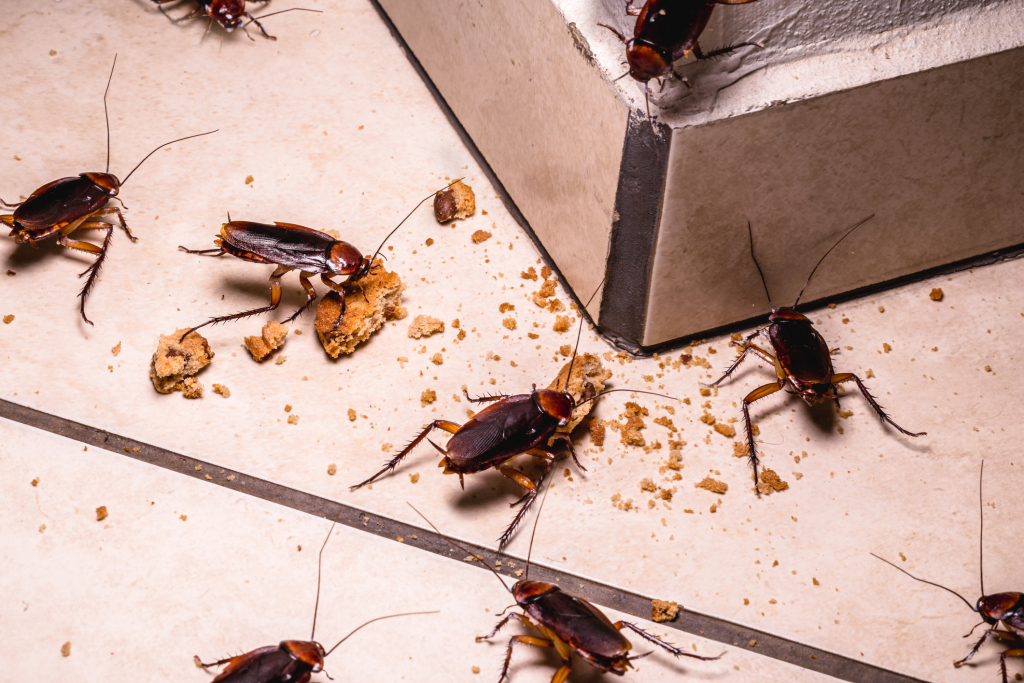
If your home is cooler and comfortably humid, you’re basically rolling out the welcome mat—especially for ants, cockroaches, spiders, earwigs, and flies. Unfortunately, once inside, they can be tough to evict. “Common intruders like ants, cockroaches, and spiders often stick around if they find what they need,” Perriseau adds.
How to Prevent and Manage a Bug Invasion
You might welcome buzzing bees in your flowers or ants in the garden, but no one wants a bunch of bugs as roommates. And of course, no one wants to crank up their home’s temperature to match the scorching outdoors. If you’re dealing with a bug invasion or want to stop one before it starts, try these summer-ready tips to keep the crawlers at bay.
1. Use Preventive Treatments More Often
Whether you’re preventing bugs or tackling an existing problem, you might need to apply treatments more often in the heat. “Most sprays and baits break down or evaporate faster in high temperatures, making them less effective,” Perriseau notes. Using them more frequently during cooler parts of the day extends their protection and keeps bugs away longer.
2. Check Insulation and Seals
We usually think about insulation in cold weather, but sealing gaps and drafts around windows and doors with weatherstripping, door sweeps, and other fixes not only keeps cool air in (saving energy and money) but also keeps bugs out.
3. Watch for Moisture Sources Around Your Home
Bugs seek not just cool spots but also humid, damp environments that help them survive—especially when heat comes with dry weather. Keep an eye on your home’s humidity, especially in basements and attics where moisture often builds up. Using a dehumidifier, maintaining your AC, and fixing dripping faucets or leaking hoses can make a big difference.
4. Manage Food Sources
Leaving fruit, pet food, or other tempting treats outside invites bugs in. Store food in airtight containers or the fridge, clean up leftovers promptly, and wash dishes to cut off their food supply.
5. Keep Trash Bins Away from Your Home
Trash attracts all kinds of pests, from bugs to raccoons. Storing your bins further back in the yard or at least several feet from your home reduces their appeal and lowers the chance of pests seeking shelter inside.
6. Trim Back Bushes and Other Plants
Tree branches, bushes, or even ground cover mulch touching your home can act as bridges for bugs to get inside.
7. Try Natural Repellents
Essential oils like peppermint, lavender, or citronella, plus a layer of diatomaceous earth around your home, can help keep crawling, creeping uninvited guests away.
8. Act Quickly on an Invasion
“Longer, hotter summers are becoming more common, so the best defense is to act before bugs settle in,” Perriseau advises. “For a quick eviction, find and seal their entry points and cut off their food and water sources.” He recommends bait traps, natural insect sprays, diatomaceous earth, and regular vacuuming to remove bugs and eggs. “Fast, consistent action is key to keeping them from establishing and multiplying.”