The mother-daughter relationship is one of the most powerful and defining bonds in life. As a child, it’s natural to see your mom as a safe haven, someone you can share anything with. But as we grow into adults, this dynamic shifts a lot.
The daughter becomes a woman with her own life and choices, and the mother’s role changes too. This often raises the question: how healthy is it when this bond turns into a friendship? And when does closeness start to feel like a burden instead of support? Here are some thoughts on keeping this special connection loving while honoring healthy boundaries.
No Secrets Between Them
Many long for a close relationship with their mother or child—one without secrets, where anything can be talked about anytime. For many, this is the ideal family bond. In this space, mother and daughter are not just family but allies and confidants who support each other daily. This kind of closeness can boost feelings of safety and mutual love.
For a daughter, it’s priceless when her mom not only sets rules but also offers honest support. Likewise, a mother finds comfort when her daughter trusts her and includes her in important moments.
But Too Much Trust Can Bring Too Much Burden
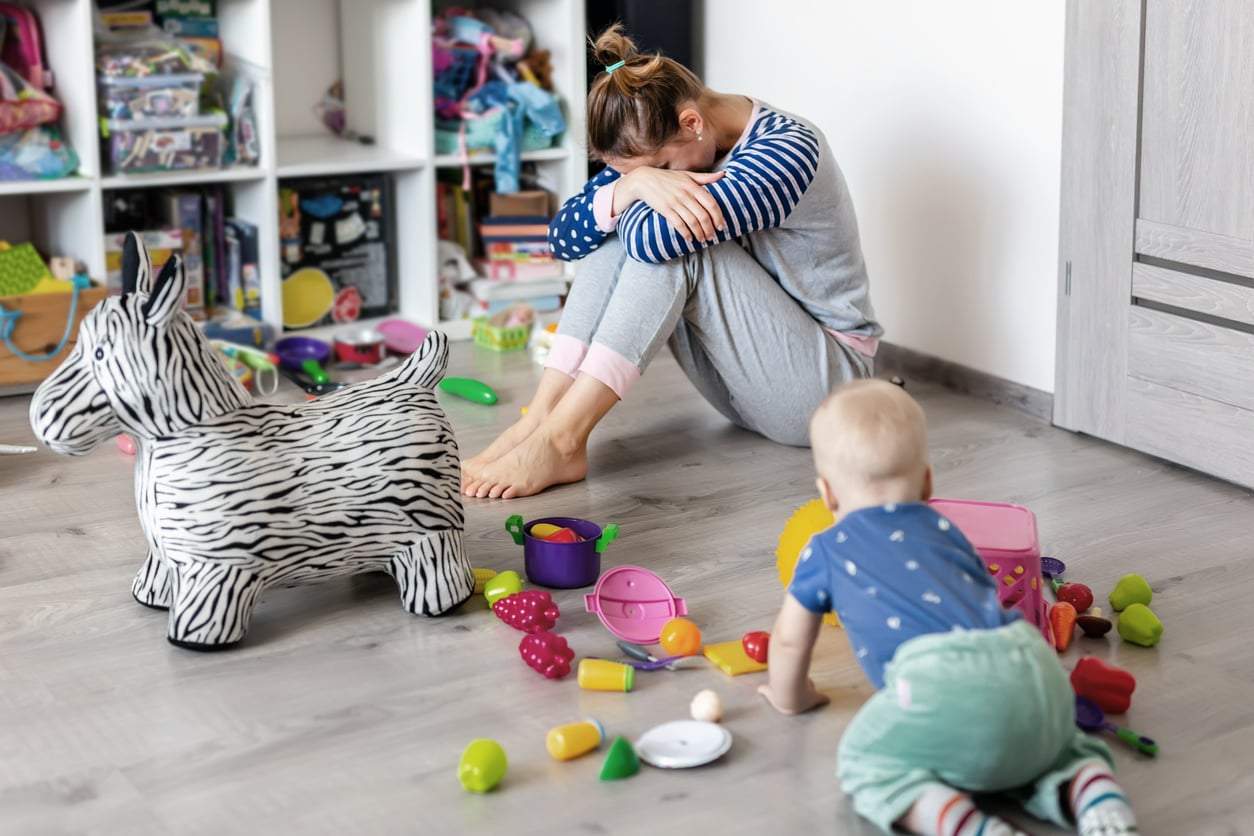
However, too much closeness can easily turn into something that harms both sides’ emotional well-being. If a parent shares too many adult worries—like financial troubles, relationship issues, or grown-up secrets—with their child, it can become an invisible weight for the child.
A child can quickly feel responsible, thinking they must protect their parent’s peace of mind or help in situations beyond their capacity.
Over time, this can lead to anxiety, insecurity, and a role reversal where the child is no longer a child but almost the parent’s emotional support.
Where’s the Healthy Boundary?
So, who sets the boundary and when? In childhood, it’s clearer since the parent is responsible for filtering what and how much to share. You don’t have to reveal every detail to build an honest, loving connection.
Children have the right to childhood and lightness without carrying too heavy a load.
As adults, it’s more complex. An adult daughter can listen to and understand serious life situations and often wants her mom to be honest with her. Still, it’s important to have an inner filter about what to share and what not to. Total openness can cross a line where the daughter becomes not just a confidant but an emotional dumping ground.
Balancing Friendship and Parenting
Many say the best mother-daughter relationship is one where they see each other as friends. That’s a lovely idea—who wouldn’t want their mom to be their best friend? But it’s key to remember that a mother is first and foremost a parent. Friendship can enrich and deepen the bond but can’t replace parental responsibility. The
In a healthy mother-daughter bond, friendship and respect coexist. There’s room for laughter and shared secrets, but also clear boundaries that protect both from taking on too much.
There will be disagreements, unspoken hurts, and boundaries that are hard to accept, but the mother-daughter connection remains uniquely special. This bond grows strongest not through total transparency but by giving each other space as individuals. Because love often shows up not in words, but in freedom.