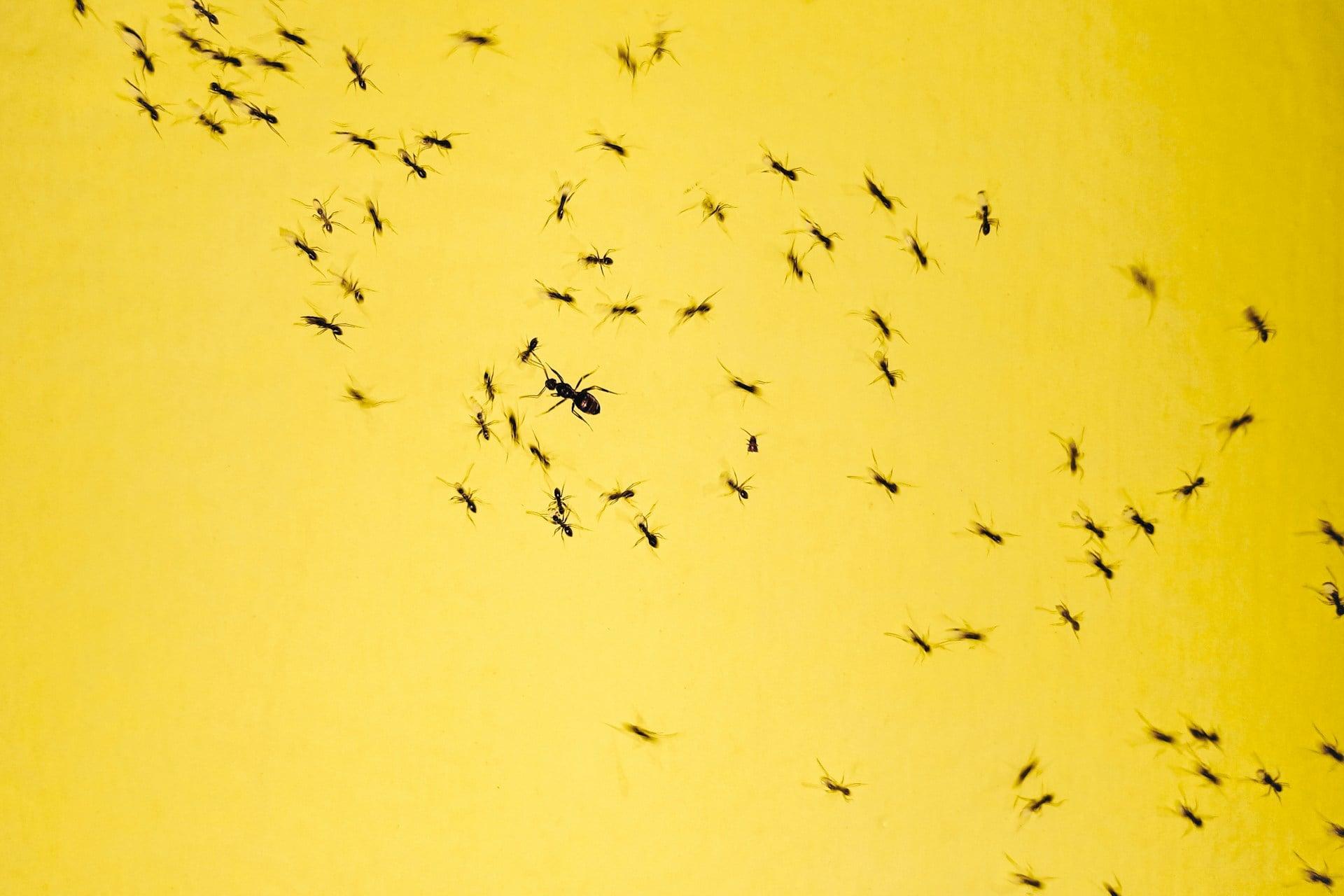
The moment you spot a trail of ants marching across your kitchen counter, the instinct is to reach for the nearest chemical spray. But there's a gentler, safer way to deal with the problem — and the solution is probably already sitting in your pantry. These four natural scents are ones ants genuinely can't stand, and they're easy to use around kids, pets, and food.
1. Cinnamon
Cinnamon isn't just a warming kitchen spice — it's also one of the most effective natural ant deterrents you can find. Ants are strongly repelled by its scent, and the reason is surprisingly specific: cinnamon contains a compound called cinnamaldehyde, which overwhelms the insects' sensitive receptors and makes treated areas feel hostile to them.
Using it couldn't be simpler. Just sprinkle ground cinnamon along ant trails or near the entry points where they're getting in — gaps around doors, window frames, or cracks in the wall. Reapply after cleaning or when the scent fades.
2. Peppermint essential oil
Peppermint oil has a sharp, intense aroma that does more than just smell fresh — it actively disrupts ants' navigation. Ants rely on scent trails to communicate and find their way, and peppermint oil effectively scrambles those signals, making them avoid the area entirely.
A practical method: soak a few cotton balls in peppermint oil and place them near doors, windows, and any cracks or gaps where ants tend to enter. Replace them every few days to keep the scent strong. As a bonus, your home will smell wonderfully clean.
Looking for more ways to keep your home naturally pest-free? White vinegar also works wonders against garden pests — read on to find out how.
3. White vinegar
White vinegar is a household staple that earns its place twice over: it cleans surfaces and repels ants at the same time. Its sharp, acidic smell is something ants instinctively avoid, and it also erases the chemical scent trails they leave behind for other ants to follow — breaking the cycle before it starts.
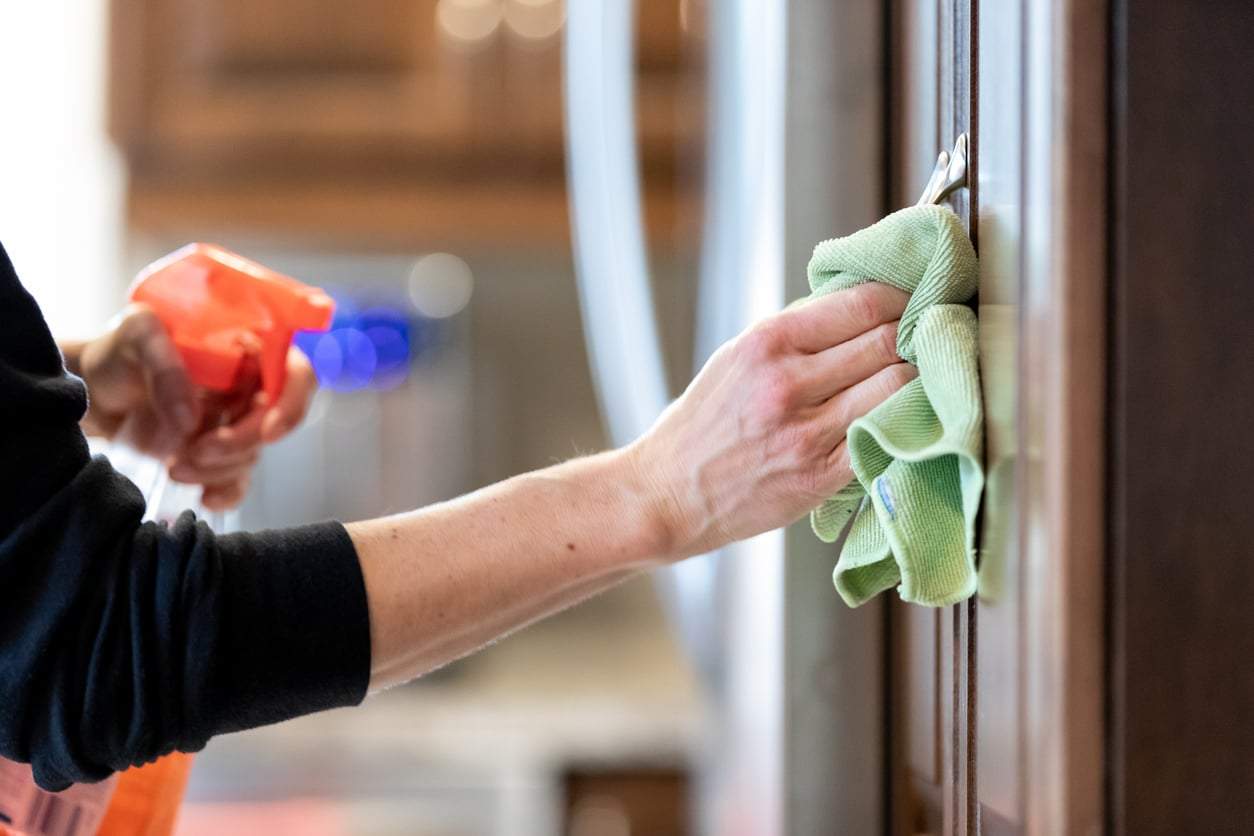
You can use it diluted with water or at full strength. Spray it along door frames, window sills, and entry points as a preventative measure. It dries odorlessly for humans but leaves a lasting deterrent for ants — and the disinfecting effect is a welcome side benefit.
4. Lemon juice
Fresh lemon juice works on a similar principle to vinegar: its natural acidity creates an environment that ants find deeply unappealing. The citrus scent also interferes with the pheromone trails ants use to guide their colony.
Squeeze fresh lemon juice into a small spray bottle and apply it around doors, windows, and other vulnerable spots. It's one of the most pleasant-smelling options on this list — and one of the easiest to use regularly.
A chemical-free home is closer than you think
These four simple ingredients — cinnamon, peppermint oil, white vinegar, and lemon juice — offer a genuinely effective alternative to chemical sprays. They're safe for families and pets, kind to the environment, and most importantly, they work. A little consistency goes a long way: reapply regularly, especially after rain or cleaning, and ants will quickly learn to look elsewhere.