Weeds are every gardener's nemesis. They appear out of nowhere, spread fast, and compete with your plants for nutrients, water, and sunlight. Many people reach for chemical herbicides out of frustration — but those come with real costs for the environment, wildlife, and even your own soil health. The good news? There are several effective, completely natural methods that can keep weeds under control without a single drop of chemicals.
Use vinegar on stubborn weeds
Vinegar is one of the most popular natural weed killers — and for good reason. Its high acetic acid content attacks plant tissue on contact, causing weeds to dry out and die within days.
Simply pour white vinegar into a spray bottle and apply it directly onto the leaves of unwanted plants. For best results, do this on a sunny day when the vinegar can really get to work.
One important note: vinegar doesn't discriminate. It will damage any plant it touches, so aim carefully and keep it away from your flowers and vegetables.
Boiling water — the simplest fix you already have
It doesn't get more low-tech than this. Boiling water instantly destroys plant cells, killing weeds quickly and without any residue.
This method works especially well for weeds growing between paving stones, along driveways, or in the cracks of garden paths — places where there's no risk of splashing nearby plants. Just boil a kettle and pour carefully and directly onto the weed.
Salt — effective, but use it sparingly
Salt has been used as a natural weed killer for centuries. It draws moisture out of plant tissue, causing weeds to wither and die. Apply a small amount directly to the base of the weed for the best effect.
A word of caution: too much salt can damage your soil for a long time, making it difficult for any plant — including the ones you want — to grow. Use this method selectively and in moderation.
Mulching — let nature do the work
Weeds need light to grow. Cover your soil with a layer of mulch, bark chips, straw, or reed cuttings, and you block that light before weeds even get a chance to sprout.
Mulching is one of the most effective and eco-friendly preventive measures you can take in the garden. Beyond suppressing weeds, it also helps retain soil moisture and improve soil structure over time — a genuine win on multiple fronts. If you haven't tried mulching yet, it's worth exploring how much it can transform your garden beds.
Hand weeding — old-fashioned, but unbeatable
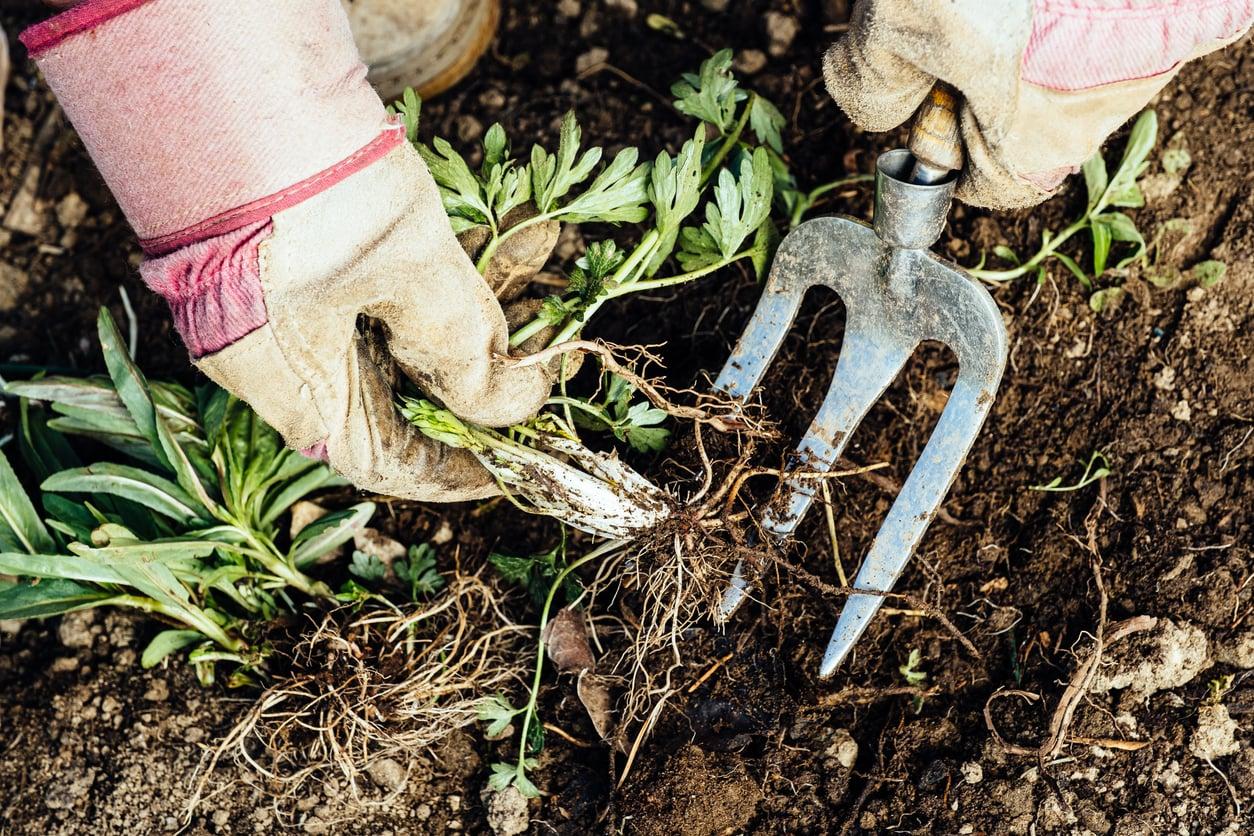
There's no getting around it: pulling weeds by hand is still one of the most reliable methods. It's more time-consuming than the others, but it's the only way to be certain you've removed the entire root — which is what stops them from growing back.
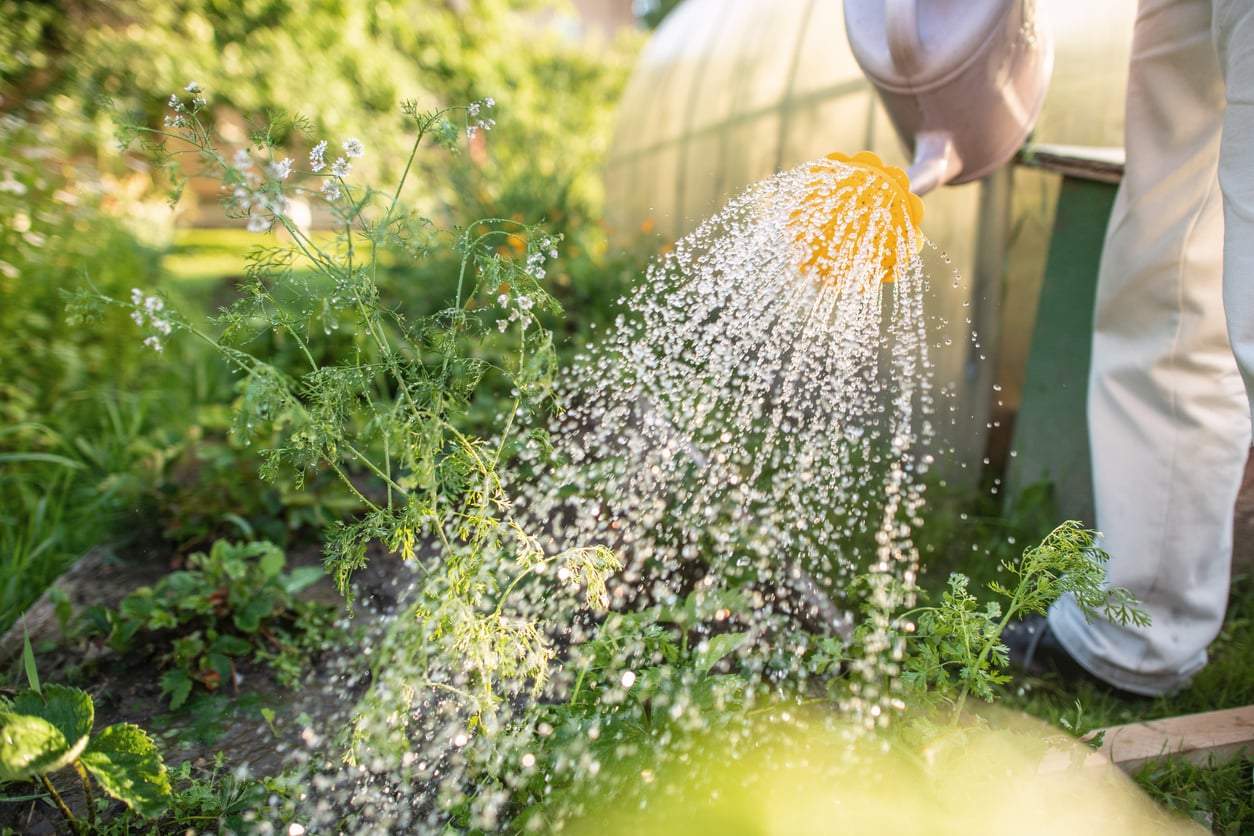
For the easiest experience, weed after rain or after watering, when the soil is soft and loose. Roots slide out far more easily, and you're less likely to snap the stem and leave the root behind.
The secret ingredient: consistency
Whatever method you choose, the real key to a weed-free garden is doing it regularly. Young weeds are far easier to deal with than established ones — and if you remove them before they seed, you break the cycle entirely.
A little attention every week goes a long way. With these natural approaches, you can keep your garden beautiful, healthy, and chemical-free — and feel good about how you're treating the environment at the same time.