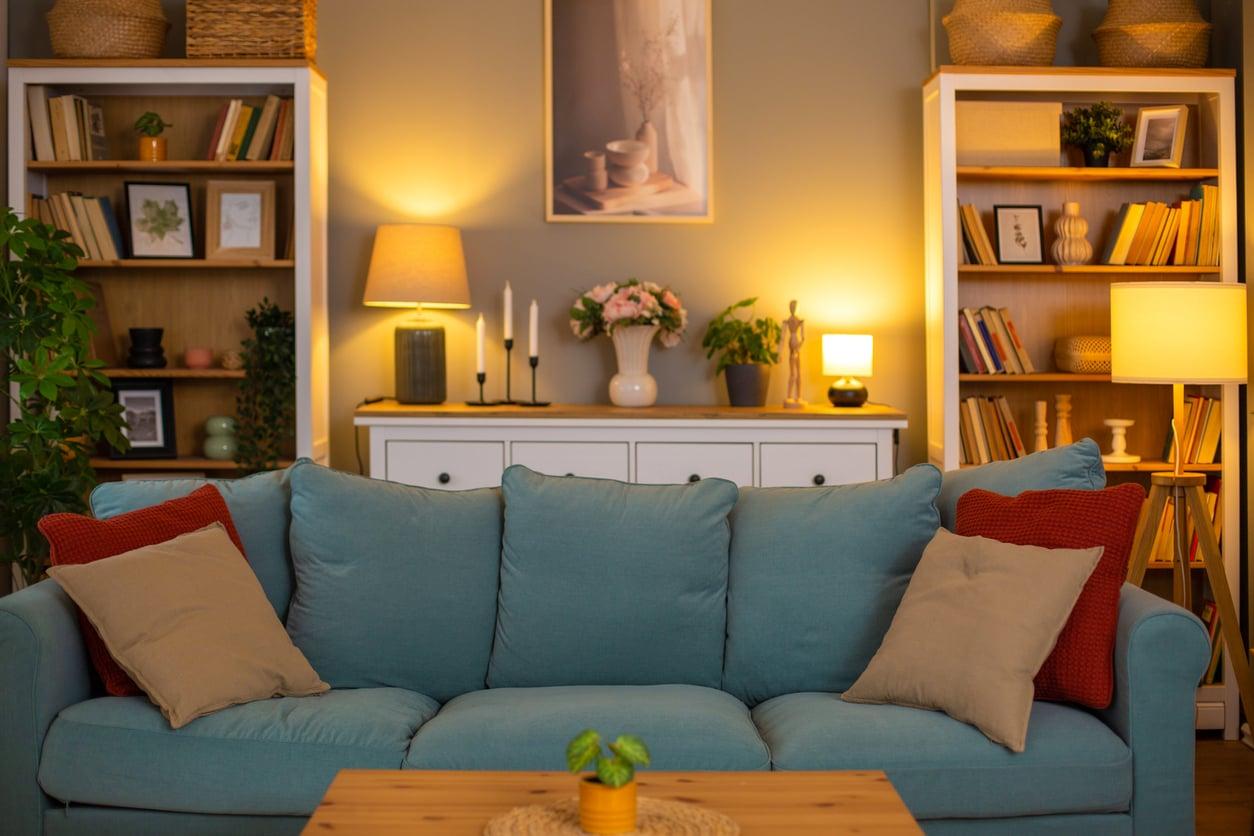
Your home might actually be bigger and brighter than it feels. A few subtle mistakes — ones most people never even notice — can make a perfectly good space feel cramped, dark, and uninviting. The good news? You don't need a renovation or a big budget to change it. Small, smart adjustments can transform how a room feels almost instantly.
The wrong wall colors
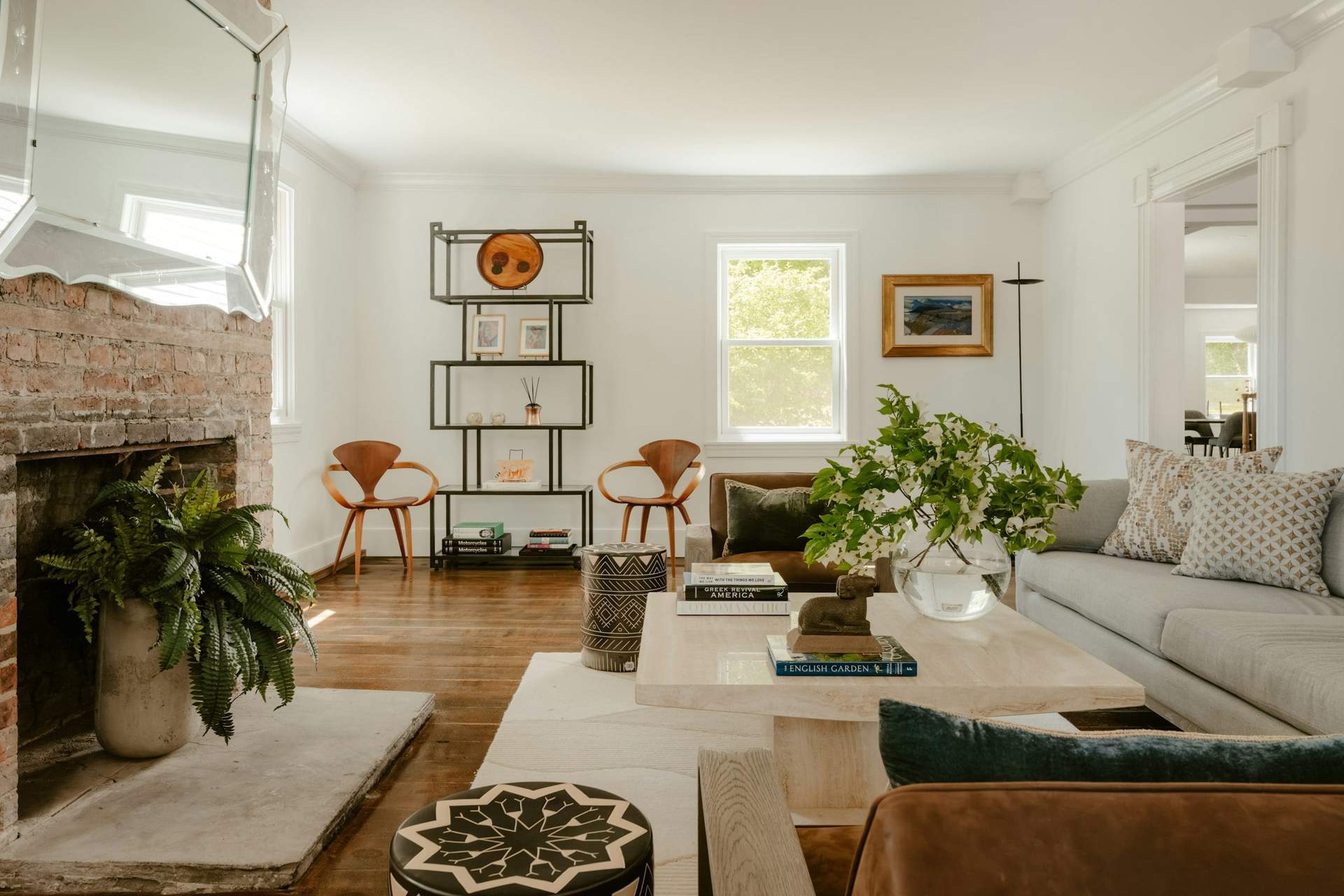
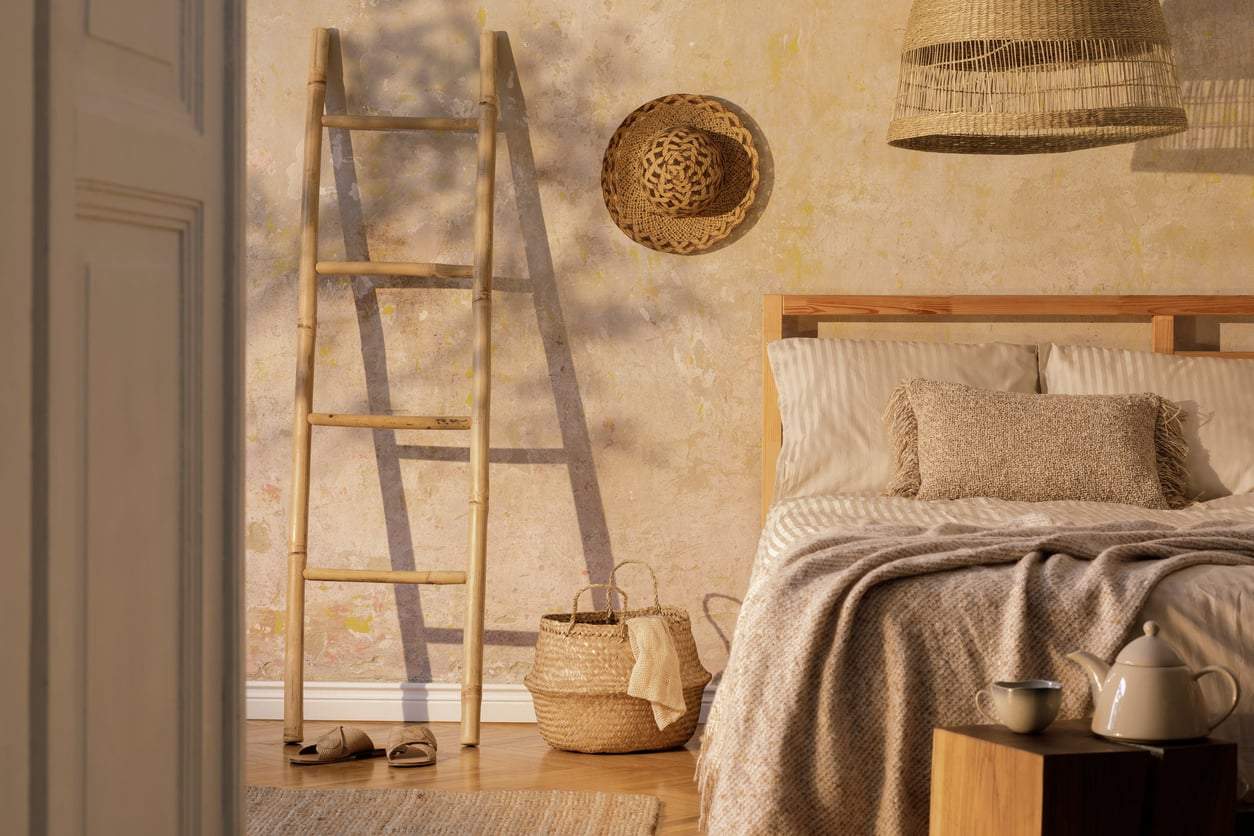
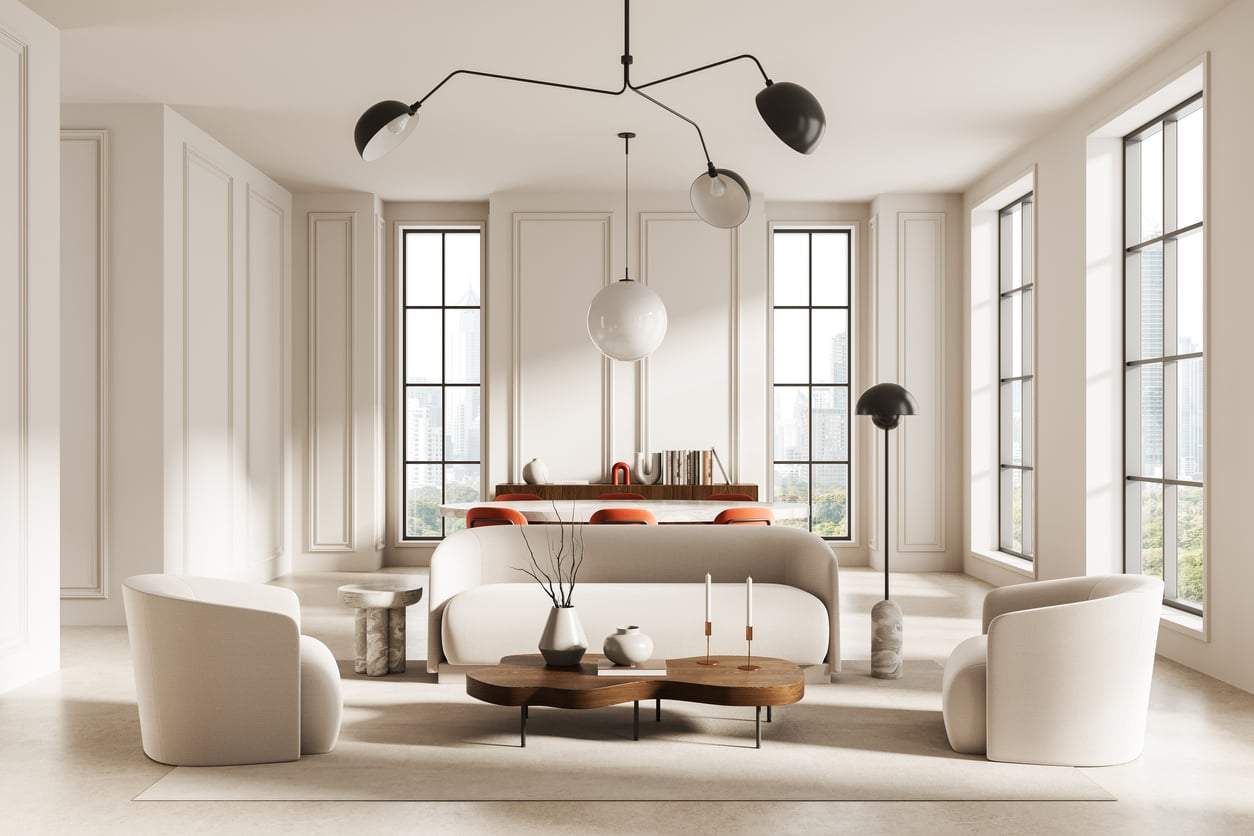
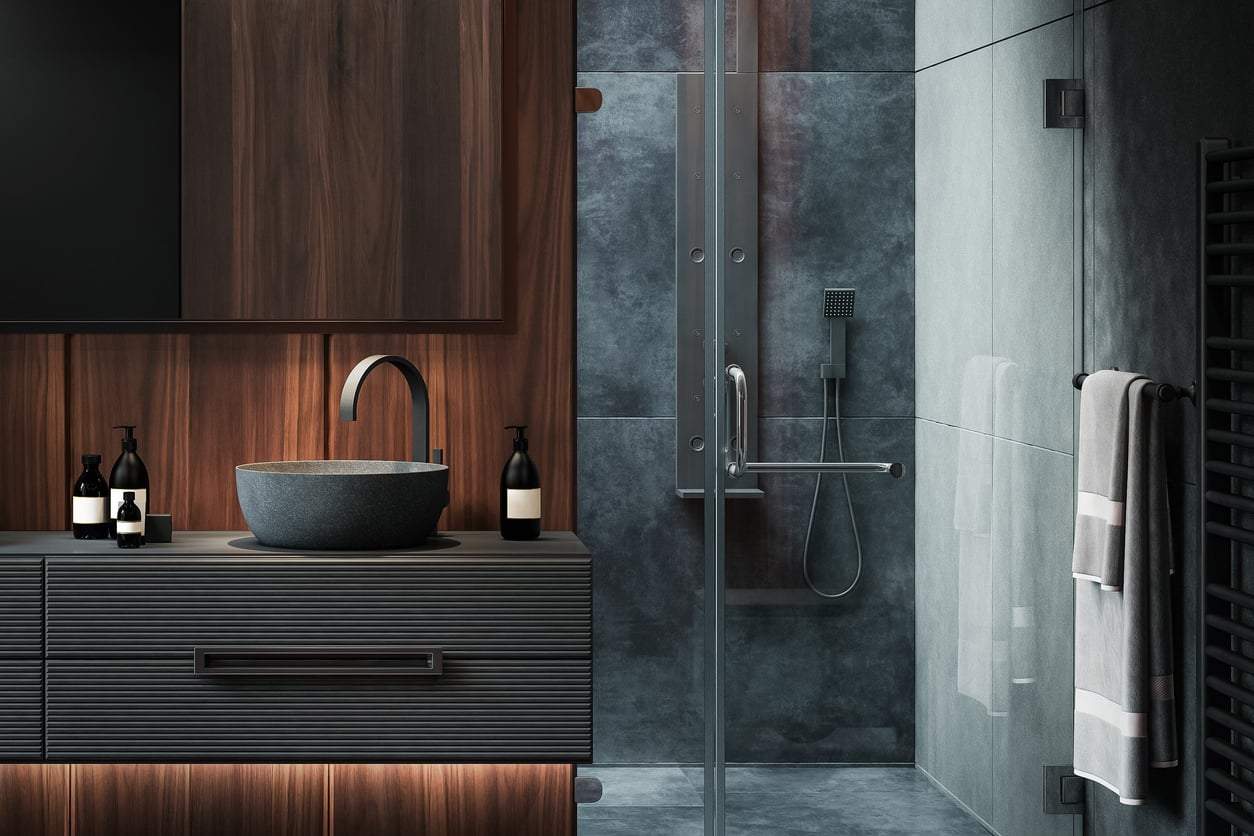
Wall color is probably the single biggest factor affecting how spacious a room feels. Dark shades absorb light and visually compress a space, making it feel closed-in before you've even added a single piece of furniture.
Soft, light, or pastel tones do the opposite — they reflect light and create a sense of openness and calm. You don't have to repaint every wall. Try keeping one feature wall in a deeper tone as an accent, and switching the remaining walls to something lighter. The balance alone can make a dramatic difference.
Not enough natural light
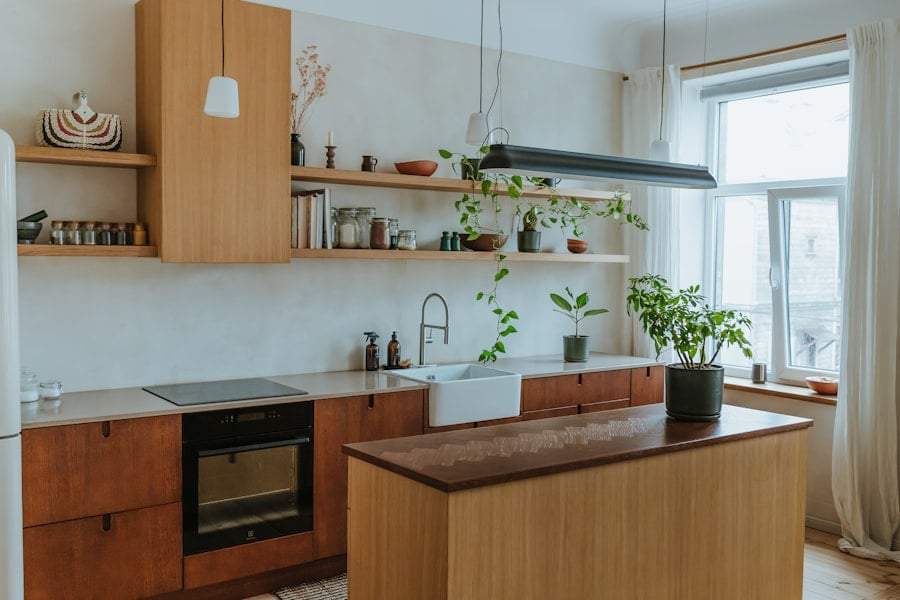
Rooms that don't get much natural light almost always feel smaller than they are. One of the easiest fixes is to stop blocking the light you do have. Heavy drapes and thick curtains are often the culprit — swapping them for sheer or lightweight panels immediately opens up the room.
If natural light is genuinely limited, a layered lighting setup can work wonders. Combine ceiling lights, wall sconces, and floor lamps to create depth and warmth at different levels. Multi-source lighting avoids the flat, shadowy effect that makes rooms feel smaller.
Too much furniture
More furniture almost always means less space — visually and physically. Overcrowded rooms feel chaotic and closed-in, no matter how large they actually are. Be selective: only keep what you genuinely use and love.
When choosing pieces, a minimalist approach pays off quickly. Also consider furniture with visible legs rather than solid, floor-hugging bases. Pieces raised off the floor let the eye travel further, which makes the room feel airier and more open.
Not enough mirrors
Mirrors are one of the oldest tricks in interior design — and they still work beautifully. A large mirror can visually double the depth of a room and bounce light into corners that would otherwise feel dim and forgotten.
Don't be afraid to go big. A full-length mirror or even a mirrored wall panel can completely change the feel of a space. For maximum effect, learn how lit mirrors can amplify brightness even further — placing them opposite a window or a light source is especially effective in darker rooms.
Poor furniture arrangement
Even the right furniture in the wrong positions can make a room feel tight. Pushing everything against the walls is a common instinct, but it often creates a stiff, boxed-in atmosphere rather than a spacious one.
Try pulling key pieces — a sofa, a bed, a dining table — slightly away from the walls. This creates natural flow and breathing room around the furniture. Always leave clear pathways through the room; blocked movement makes any space feel smaller than it is.
Clutter and visual noise
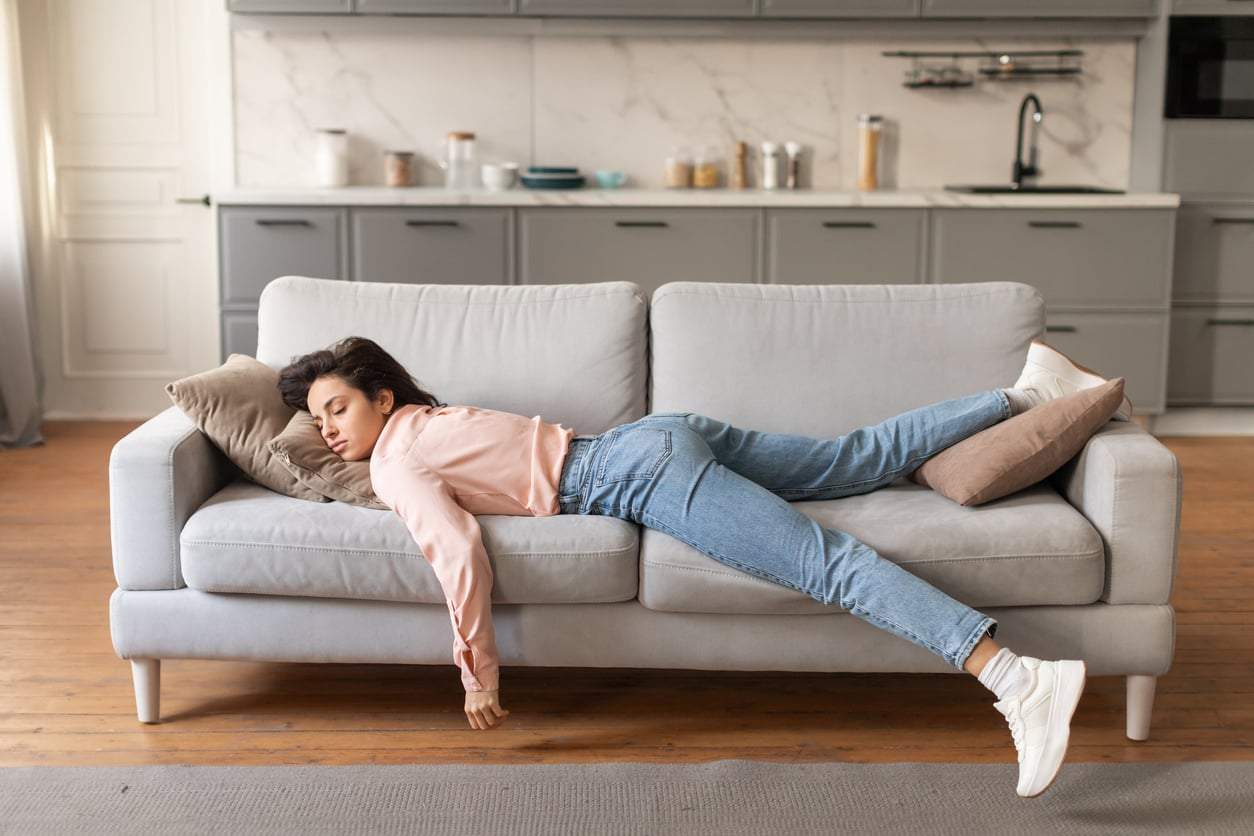
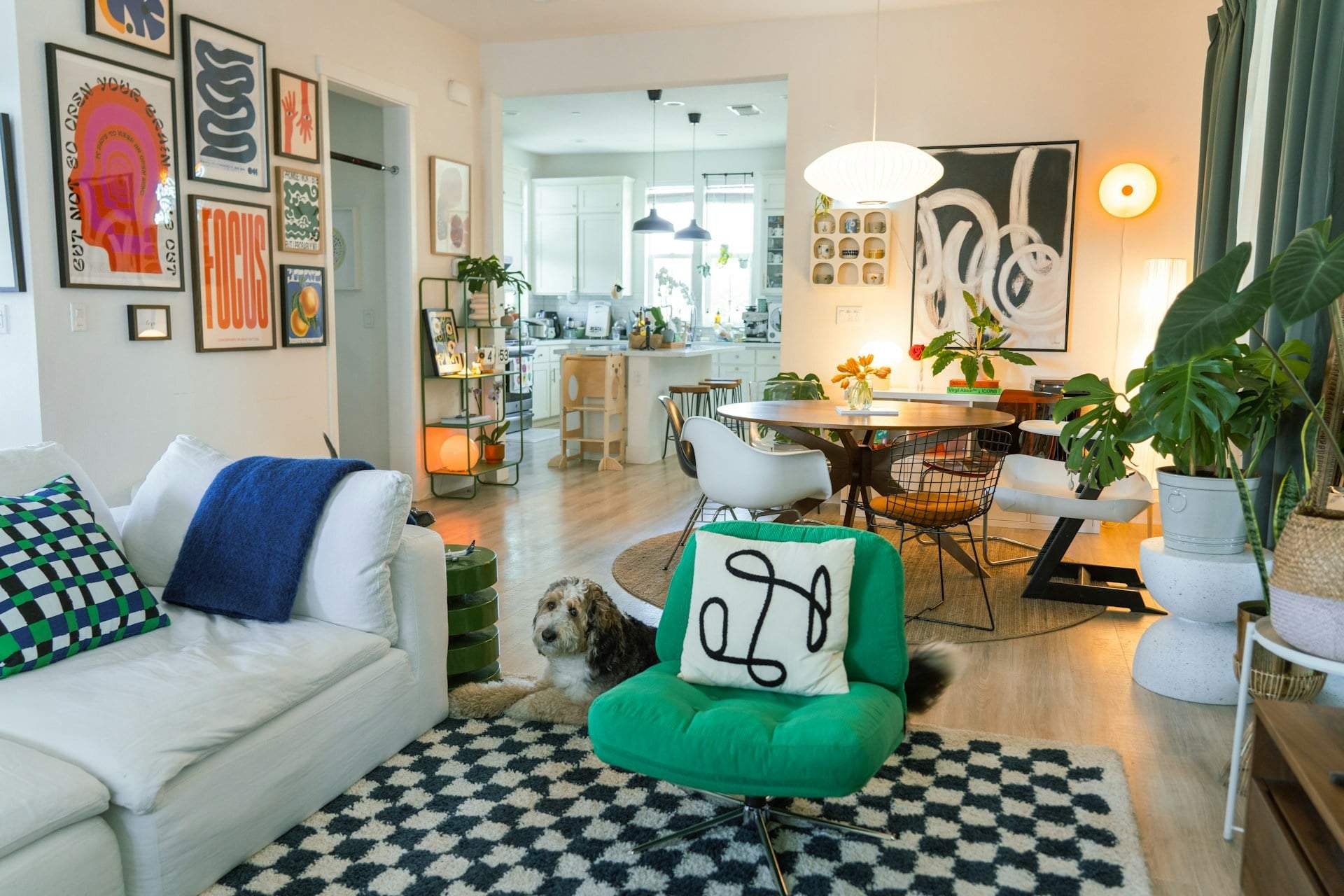
Clutter is the fastest way to shrink a room. It doesn't matter how well-designed a space is — if surfaces are covered and corners are piled up, the room will feel chaotic and cramped.
A thorough declutter is the quickest, cheapest improvement you can make. Keep only what you actually need, and find a proper home for everything else. Storage boxes, baskets, and clever storage solutions are your best friends here — shelving and hidden compartments keep small objects out of sight without making the room feel bare.
None of these changes require a major overhaul. Together, they can make your home feel noticeably brighter, calmer, and more spacious — starting today.