Mold and limescale work silently, almost invisibly. By the time you actually notice them, they've usually settled deep into the grout between your tiles. The good news? You don't need expensive chemicals or a professional cleaner to fix it. A few basic ingredients hiding in your kitchen cupboard can work real magic.
Why does grout turn black?
Grout is a porous material that easily soaks up moisture, soap residue, and the natural oils from your skin. That warm, humid environment is a perfect breeding ground for mold.
If the room is poorly ventilated, or you rarely clean between the tiles, the stains will almost certainly show up — faint at first, then more and more stubborn over time.
The baking soda and vinegar duo
These two household staples live in almost every kitchen, and they're brilliant for cleaning grout.
Mix baking soda with a little water into a thick paste, then spread it over the stained areas. Let it sit for ten to fifteen minutes, then spray white vinegar on top. The fizzing means the mixture is doing its job. Scrub the grout with an old toothbrush or nail brush, then rinse with warm water.
If that's not enough: hydrogen peroxide
For more stubborn, deeply set-in stains, you can bring out hydrogen peroxide solution, easily found at any pharmacy. Soak the grout lines using a cotton pad or an old piece of cloth, leave it on for a few minutes, then work it in with a brush.
Make sure the room is well ventilated while you work, and never mix it with other chemicals — the combination can release irritating fumes.
Curious about other easy ways to keep your bathroom fresh? Small daily habits often make a bigger difference than any deep clean.
The baking soda and lemon juice trick
If you'd rather have a fresh, citrusy scent in your bathroom, mix baking soda with a few drops of lemon juice until you get a creamy consistency.
This mixture gently scrubs the surface while whitening the grout. Leave it on for at least twenty minutes before rinsing, so the citric acid has time to work its full effect.
What to watch out for while cleaning
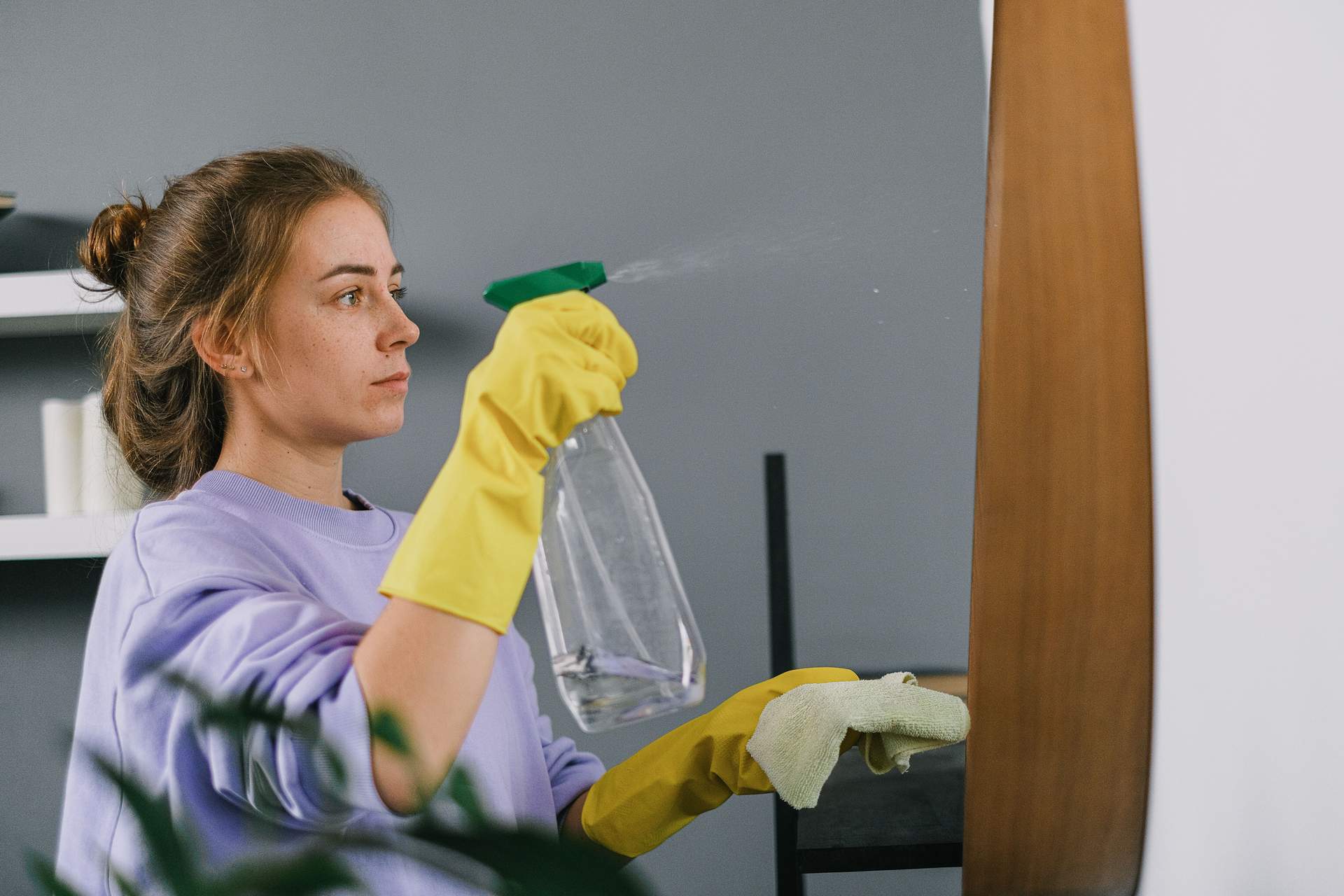
- Always wear rubber gloves — acidic and alkaline products can quickly dry out your skin.
- Never mix chlorine-based cleaners with vinegar or any other acidic substance, as this can create dangerous gases.
- Use a brush with soft but durable bristles so you don't scratch the tiles around the grout.
- After cleaning, leave the door and window open so the room can air out properly.
How to keep freshly cleaned grout looking good
The best defense is consistency. After a shower, it's worth wiping down the tiles and grout with a cloth so no standing water is left behind.
A quick weekly wipe with baking soda goes a long way toward stopping dirt from settling in deep. And if you can, air out the room for at least ten minutes after every bath or shower — dry air is mold's biggest enemy.
Can I use baking soda and vinegar on colored grout?
Yes, this gentle combination works on grout without harsh chemicals. Just test it on a small hidden area first and use a soft-bristled brush to avoid scratching the surrounding tiles.
How often should I clean my bathroom grout?
A quick weekly wipe with baking soda helps prevent dirt and mold from settling deep into the grout. Wiping down the tiles after each shower keeps standing water from causing new stains.
Why shouldn't I mix cleaning products?
Combining chlorine-based cleaners with vinegar or other acids can release dangerous gases. Hydrogen peroxide should also never be mixed with other chemicals, as it can produce irritating fumes.
What's the best way to prevent grout from turning black again?
Consistency is key. Wipe away standing water after showering, do a quick weekly clean, and ventilate the room for at least ten minutes after every bath or shower, since dry air keeps mold away.