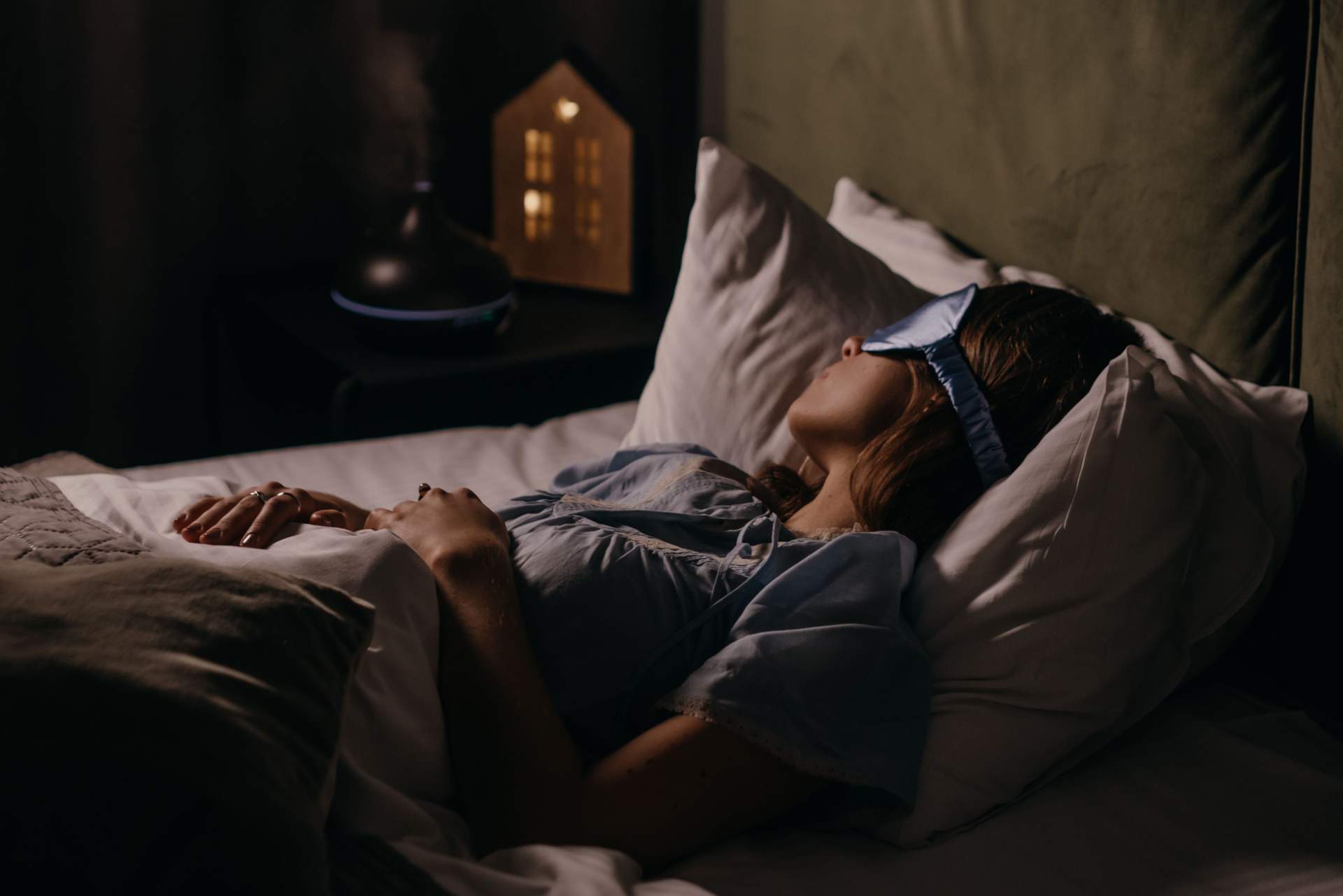
Insomnia is one of those stubborn issues that makes life harder for so many people. When quality sleep is missing for a long time, it takes a toll on both our physical and mental well-being. Exploring different solutions? Don’t overlook supplements. One amino acid that often comes up is glycine.
Often thought of as just a simple amino acid, glycine actually plays a vital role in many body processes. You can find it naturally in protein-rich foods like meats, fish, and certain plants.
One of glycine’s biggest perks is how it supports your central nervous system and helps regulate your sleep cycle. This means falling asleep faster and enjoying better sleep quality—something many of us truly appreciate.
The secret behind glycine’s effectiveness lies in its interaction with neurotransmitters. It can lower your body’s core temperature, which encourages falling asleep. Plus, it boosts melatonin production, the hormone that’s key to managing your night rhythm. Glycine doesn’t just help you fall asleep—it promotes deeper, more restful sleep. It also eases stress responses in the body, which is essential for a calm mind.
Backed by Science
Many scientific studies support glycine’s sleep-enhancing effects. Some research shows that people taking glycine fall asleep quicker and spend more time in deep sleep. This not only boosts next-day performance but also benefits overall health. Plus, glycine supplements generally come with minimal side effects, which is great since natural ingredients often work more harmoniously with your body than synthetic ones.
How to Try It
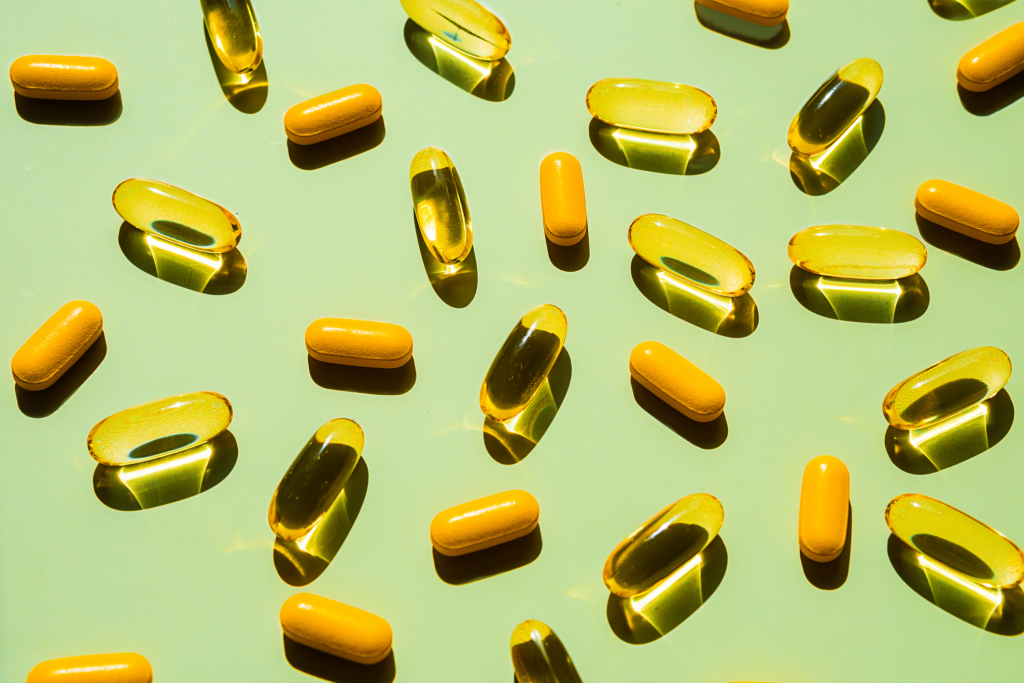
While you can get glycine naturally through meals, it’s also available as a supplement—in capsules or powders. Dosage varies per person, so chatting with your doctor before adding a new supplement is a smart move. Usually, it’s best taken in the evening to maximize its sleep benefits.
Heads Up: Possible Side Effects
Glycine is generally safe, but some people might be sensitive. Possible side effects include stomach or digestive issues and allergic reactions. Start with a small dose and watch how your body responds. And if anything unusual pops up, don’t hesitate to see a doctor.
What Else You Should Know
Good sleep isn’t just about supplements—it’s also about lifestyle. Building healthy habits like a regular bedtime, cutting back on screens before sleep, and creating a calm environment are key. Glycine can be a helpful boost, but understanding and addressing the root causes of sleep issues makes your approach even stronger. Combining lifestyle changes with supplements often leads to the best results.