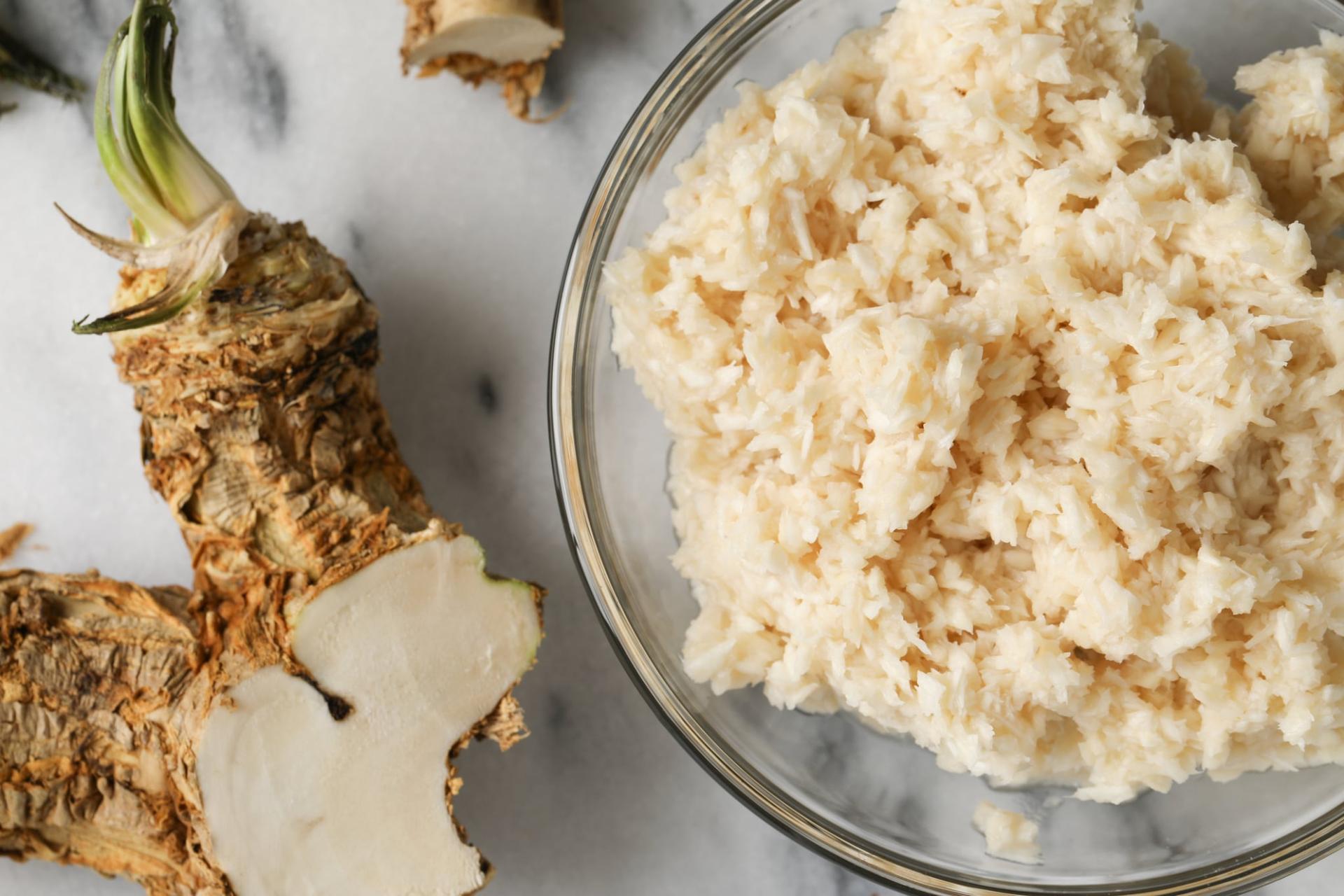
Horseradish is one of the most special medicinal and spice plants, which many use only for its strong taste, but it actually has impressive health benefits. This underestimated kitchen ingredient is more than just a simple flavoring: it has many positive effects on the body and should be an integral part of the daily diet.
The history of horseradish goes back many decades. The ancient Romans already knew and used it for medicinal purposes. In the Middle Ages, it was part of the mandatory equipment on battleships, as sailors embarking on long journeys relied on its healing and disinfecting effects. Despite all this, nowadays it mostly appears on Easter tables, although regular consumption makes it suitable for many more uses.
Horseradish, scientifically known as Armoracia rusticana, is incredibly rich in vitamins and minerals, such as vitamin C, which is essential for the proper functioning of the immune system. Other components found in the root, such as sulfur compounds, give this plant antioxidant properties, significantly contributing to maintaining the body's health.
Horseradish as a natural antibiotic
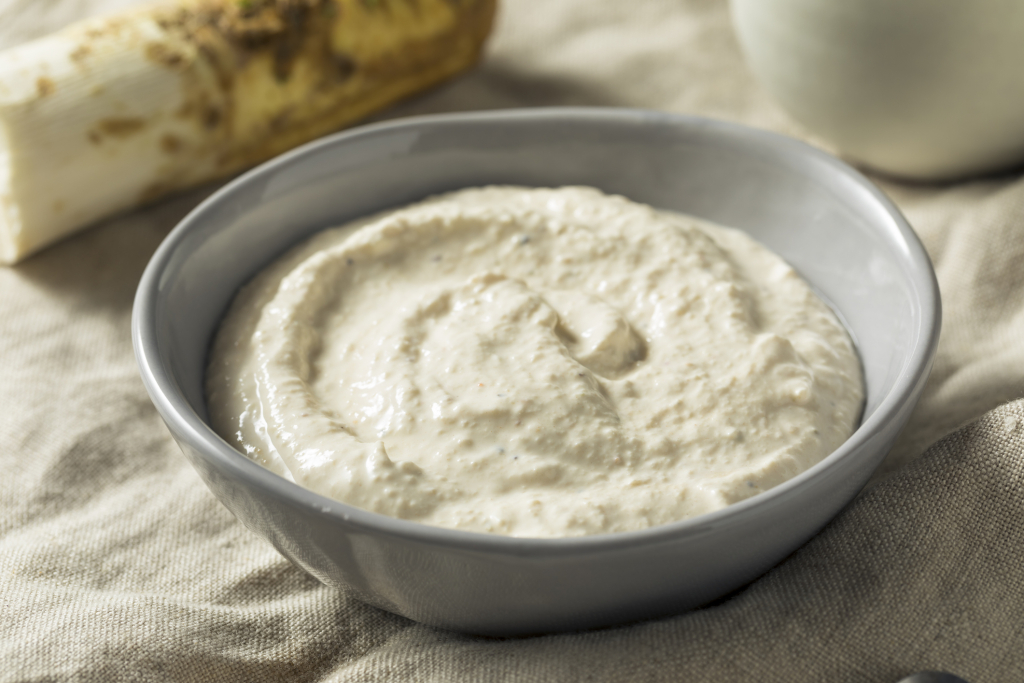
When choosing among natural remedies, horseradish holds a prominent place on the list. Its antibacterial effect has long been known, and it is often used to treat various infections. It may seem like taking a strong pill, but even homemade horseradish sauce can be enough in the fight against bacteria.
It is also well known for thoroughly clearing the respiratory tract. So if we are struggling with a cold or during epidemic periods, a little horseradish can work wonders. Inhaling it can act as a kind of natural inhalation therapy, which eases breathing and helps maintain lung health.
Supporter of digestion
Horseradish can be an excellent remedy not only for respiratory problems but also for digestive issues. Thanks to its stimulating effect, it supports metabolism and may promote more efficient nutrient absorption. As a result, it can reduce bloating and other unpleasant symptoms related to digestive disorders.
What makes horseradish truly special is its spicy taste, which has a stimulating effect on the digestive system. Thanks to this, the processing of food becomes faster, and symptoms of possible food intolerances may also be alleviated.
Effect on the heart and circulation
Horseradish not only stimulates digestion but also has a positive effect on cardiovascular health. The antioxidants abundantly found in it contribute to neutralizing free radicals, thereby reducing the risk of various heart diseases.
Moreover, it stimulates blood circulation, a method known since ancient times as an effective way to warm cold extremities. Therefore, regular consumption of horseradish is especially recommended for the elderly and those with circulatory problems.
Effects on skin and beauty
The beneficial effect of horseradish on the skin is also not negligible. In ancient times, it was used for regenerating damaged skin, and this tradition is still gladly followed today. Horseradish-based face masks can help rejuvenate the skin and treat spots and skin imperfections.
Besides the skin, consuming horseradish can also improve hair condition. The vitamins and minerals it contains help restore the hair's natural shine and elasticity. In addition to its spicy taste, the plant also has a deep cleansing effect, making it suitable for naturally produced hair masks.
Tips for incorporating horseradish into everyday life
Although horseradish's taste is not for everyone, it can become part of the daily diet in many ways without overwhelming the taste buds. We can mix it into yogurt, which softens the strong taste, or add it to salads if we want a light yet flavorful effect.
It also harmonizes well with oven-roasted vegetables or cream soups, creating truly special culinary experiences. For those who enjoy creativity in the kitchen, there are almost endless possibilities to enjoy the health benefits of horseradish.