One of modern medicine’s biggest challenges is spotting and managing the slow, sneaky inflammations developing inside us—those that can lead to serious health problems over time. While acute inflammation, like from a cut or infection, is usually obvious and treatable, chronic, hidden inflammations often fly under the radar until they cause significant damage. That’s why knowing the subtle symptoms of these hidden inflammations is so important for early detection.
The Dreaded Signs of Hidden Inflammation
First, it’s key to understand that chronic, low-grade inflammation can affect almost any part of the body. These lingering inflammations often cause vague, non-specific symptoms that can easily be mistaken for less serious issues.
Think constant fatigue, lack of motivation, or just feeling “off” in general—these signs rarely point to a specific illness but are important signals your body is sending.
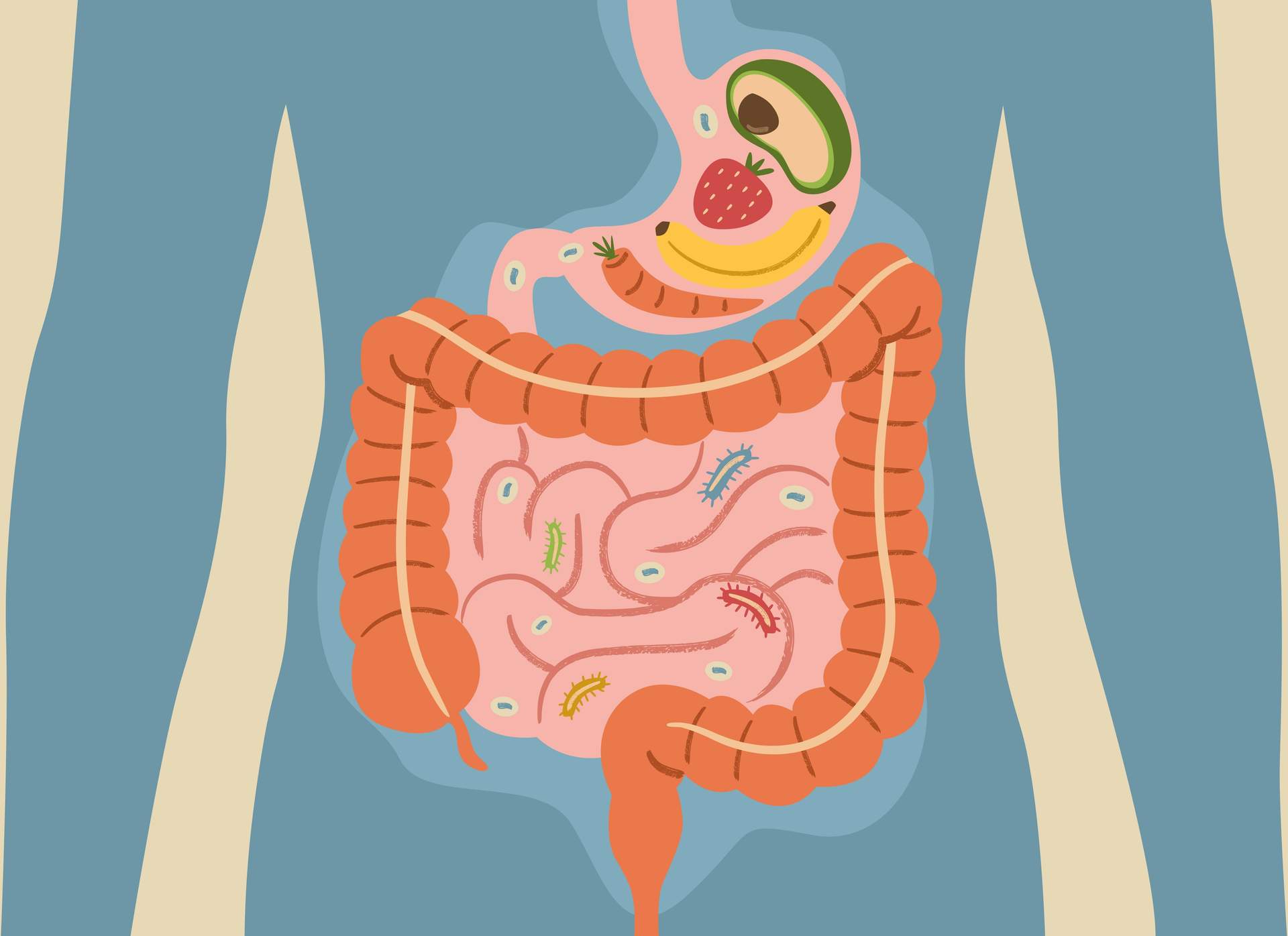
Skin issues like frequent acne, eczema, or rosacea can also hint at internal inflammation. Digestive troubles such as bloating, cramps, or regular diarrhea aren’t just gut problems—they often deserve an immune system check too. These symptoms may be your body’s way of fighting inflammation and trying to restore balance.

What Causes Inflammation to Develop?
Chronic inflammation often stems from lifestyle factors common in today’s world—high stress, poor diet, sedentary habits, and harmful environmental exposures. These long-term stresses wear down your body and spark inflammation. For example, reaching for fast food loaded with preservatives and trans fats can trigger this kind of inflammation.
Sleep issues and disrupted sleep-wake cycles also play a big role. Not getting enough rest not only blocks recovery but also ramps up stress hormones, adding to your body’s burden. This often leads to hidden inflammations that your body struggles to handle.
How to Prevent Inflammation
The first step to preventing or managing inflammation is changing your lifestyle. Follow a balanced diet rich in anti-inflammatory foods like leafy greens, fish, and berries to help reduce inflammation. Regular exercise is essential too—it eases stress, boosts circulation, and supports your immune system.
Taking care of your mental health and learning stress-management techniques like meditation or yoga can also make a big difference in keeping inflammation at bay.
Optimizing sleep with a consistent sleep-wake schedule and ensuring enough rest are just as vital. Health experts recommend anyone experiencing these symptoms over time to consult a doctor or dietitian for personalized advice.