Everyone has some connection to different scents—they’re woven into our daily lives. Whether it’s the morning aroma of coffee or the calming atmosphere created by incense, scents influence our mood, emotions, and even decisions. But what effects do incense have on us, especially according to Eastern teachings? And how healthy is it to breathe in these fragrances?
How Are Incense Used in Eastern Cultures?
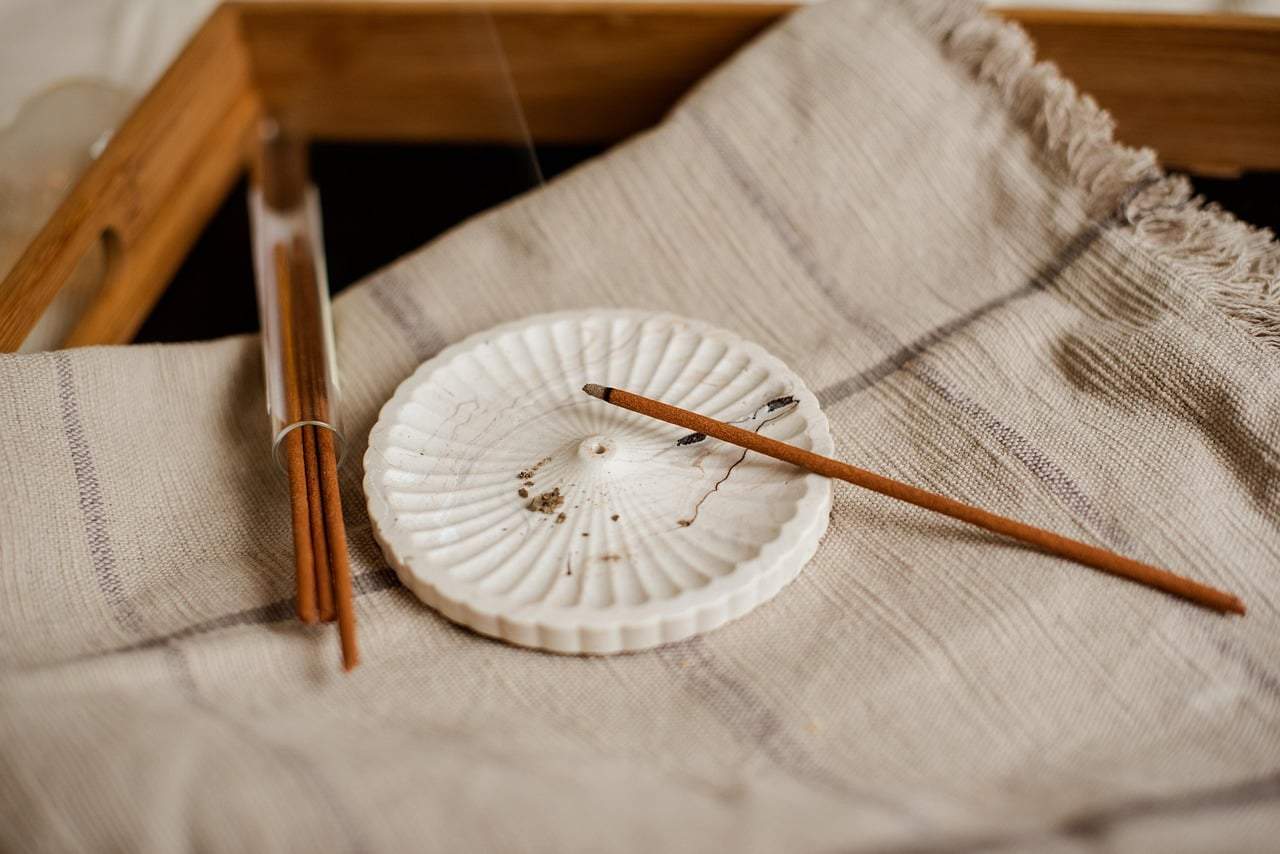
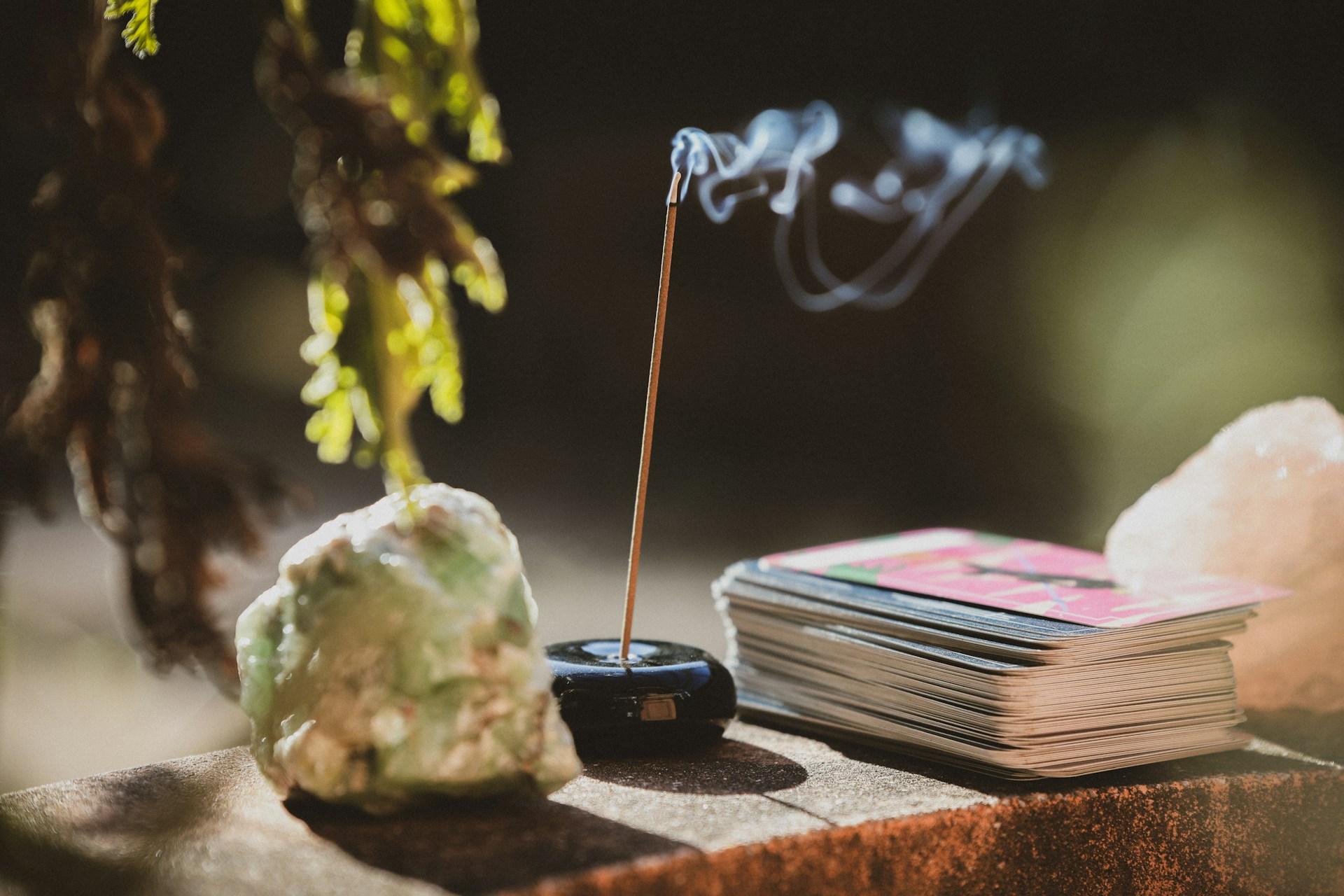
Incense use dates back thousands of years and has been part of nearly every aspect of life across cultures. In the East, incense held a special place, used for spiritual and healing purposes. In China and India, incense was burned during ceremonies, in temples, and meditation sessions, believed to help connect with gods and spiritual realms.
Rituals involving scents appeared even in ancient times, where incense’s mystical power played a key role in life’s milestones, from celebrations to mourning ceremonies.
The atmosphere created by scents can shift your emotional state, and according to Eastern beliefs, this offers a direct path to inner peace.
What Are Incense Made Of and How Are They Made?
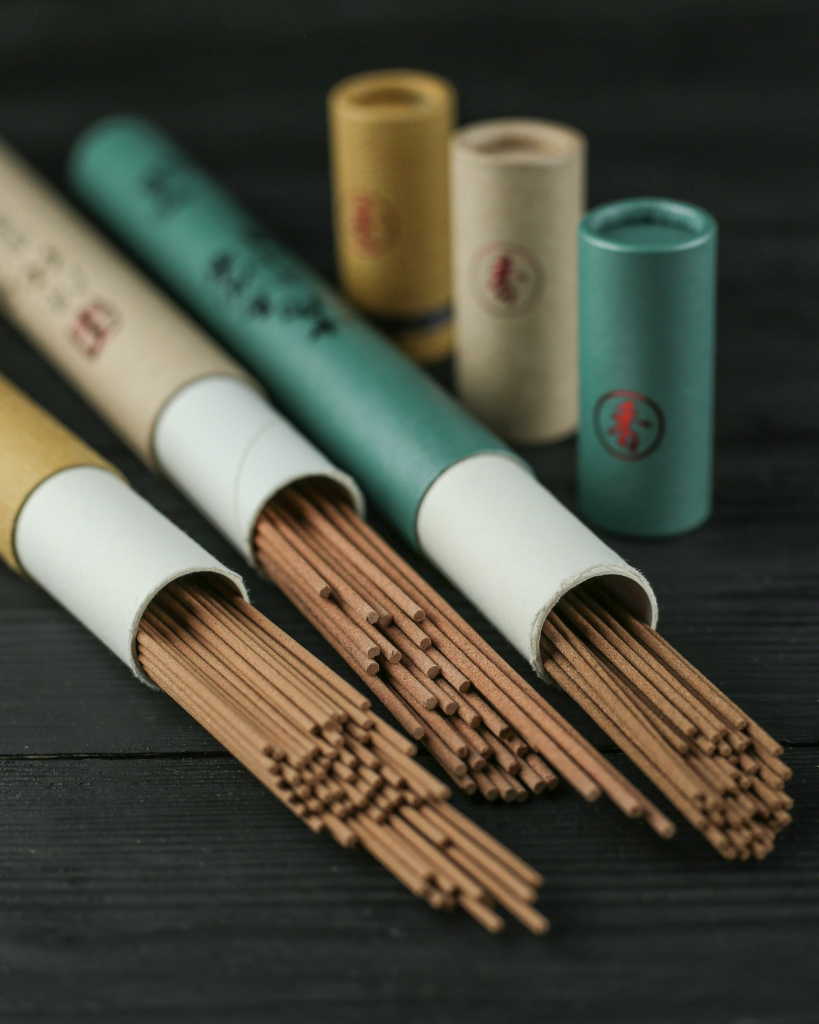
Incense is primarily made from various plant materials like woods, resins, herbs, and essential oils. These natural ingredients give each incense its unique scent and effect. The materials are ground into powder, mixed with water and binders to form a paste, then shaped into sticks or cones and dried.
This process has remained similar for centuries, although commercial incense today often contains synthetic additives that can affect scent quality and naturalness.
Incense comes in many fragrances, each with its own effect and purpose. For example, sandalwood soothes and aids meditation, while citrus scents invigorate and energize. The chosen scent and its blend influence the energy and mood of a space.
Health Effects of Incense
Eastern philosophies see incense as having not only spiritual but physical effects too. Traditional Chinese medicine, for instance, believes inhaling certain scents can cleanse and balance energy channels. Aromatherapy, an ancient Eastern practice, uses scents to harmonize body and mind, ease anxiety, and reduce stress.
While many appreciate incense’s spiritual benefits, it’s important to recognize potential hidden health risks.
Burning incense releases fine particles and compounds that can irritate the respiratory system, reaching the lungs and other organs. So, it’s best to use incense in moderation and in well-ventilated spaces.
Tips for Healthier Incense Use
To enjoy incense’s benefits while minimizing health risks, try these simple tips:
- Choose incense made from natural ingredients to avoid synthetic additives.
- Burn incense in well-ventilated rooms to let smoke disperse quickly.
- Don’t burn too many sticks at once; keep the amount moderate to avoid heavy smoke.
- Pay attention to how you feel—stop using incense immediately if you notice any irritation or discomfort.
Following these tips can make incense a truly enjoyable experience that supports harmony in both body and mind.