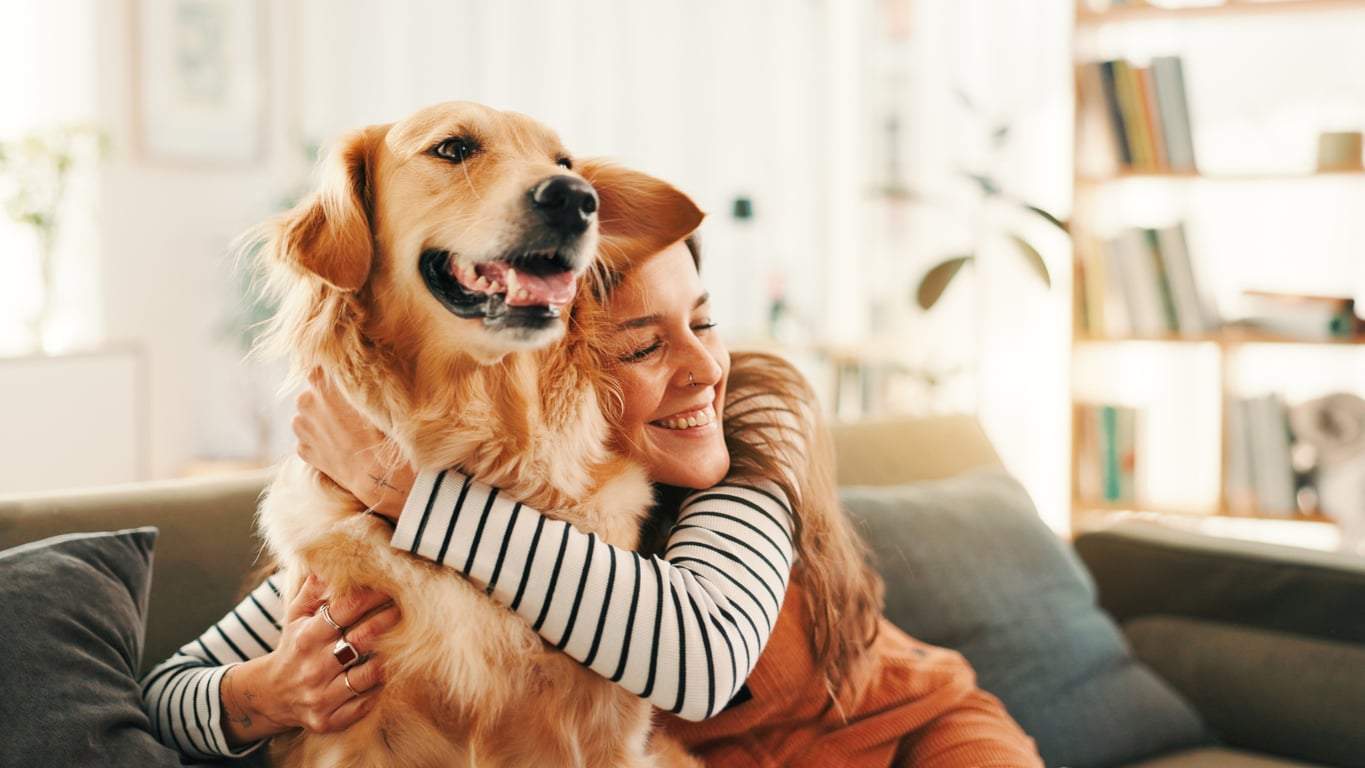
That little wave of relief you feel when the dishes finally leave the sink or the living room is tidy again? You're not imagining it. But here's the question every pet owner eventually asks: does the chaos in your home stress out your dog or cat too?
According to experts, the answer is yes — but not for the reason you might expect. It's not the mess itself that bothers them.
It's not the clutter that upsets them — it's the unpredictability
"A home doesn't have to be spotless for a cat to feel safe," says cat behavior expert Cristy Brusoe.
The same, she explains, is true for most pets — and honestly, for people too. What matters far more is that they can always reach the places and things they need, and that they have a calm little corner where they can rest undisturbed.
Veterinarian Dr. Gary Richter agrees that dogs and cats simply don't care how stylish your home looks.
"Pets don't have an aesthetic sense the way we do, so mess on its own doesn't cause them stress or anxiety."
The trouble starts when their environment keeps shifting.
"If new objects are constantly appearing or familiar ones keep disappearing, that can create a sense of uncertainty."
Why consistency matters so much to them
Dogs and cats are constantly "reading" their surroundings. The placement of objects, familiar routes, sounds and smells are all anchors they use to gauge whether they're safe. For them, home isn't just a place — it's their entire world.
The reason is simple: dogs and cats don't navigate the way we do. They memorize familiar paths, the layout of the furniture, scents and routines. The more predictable their environment, the less energy they have to spend constantly adapting to new things.
"When the environment becomes cluttered, keeps changing, or is hard to move through, a cat can feel it has less control over its own territory. That uncertainty can increase stress," says Brusoe.
This is especially true for shyer or more sensitive animals. Art therapist and creative wellness expert Eleni Nicolaou notes that just as visual chaos can overwhelm a person's nervous system, it can have a similar effect on pets. If you've ever wondered how your pet picks up on the mood in your home, this is a big part of it.
"For a pet, its home is the whole world. The way that world feels directly affects how safe and balanced the animal feels."
These are the spots worth keeping tidy
Experts are clear: you don't need a sterile, showroom home. What matters much more is that the areas central to your pet's daily life stay calm and easy to reach: the area around their food and water bowls, their bed, their resting corner, the litter box zone, and any spot where they can retreat.
Dr. Richter says both dogs and cats need a safe space of their own — somewhere without constant coming and going, noise or interruption.
A predictable daily routine matters to them just as much.
How to tell if something is stressing your pet
Environmental stress isn't always obvious. Often it's tiny behavioral shifts that signal something's off. Dr. Gary Richter suggests always watching for changes from your pet's usual self. According to experts, these signs may point to stress:
- hiding more than usual
- pacing back and forth
- barking or meowing more often
- becoming destructive
- a change in appetite
- avoiding certain rooms
- being less playful
- becoming more easily startled
- over-grooming
- house-training accidents
Brusoe stresses, though, that these symptoms alone don't prove clutter is the cause.
"What they do tell you is that it's worth taking a closer look at what has changed in your dog's or cat's environment."
Emergency vet Dr. Lori Ross also points out that behavioral changes often have a medical explanation behind them.
"The first step is always to rule out illness or pain. If the anxiety is persistent, getting worse, or already affecting the animal's quality of life, you should absolutely see a vet."
If needed, treatment can involve environmental changes, behavioral therapy, and in some cases medication. Learning to spot the subtle micro-stress signals in dogs can help you catch problems early.
Ready to declutter? Do it gradually
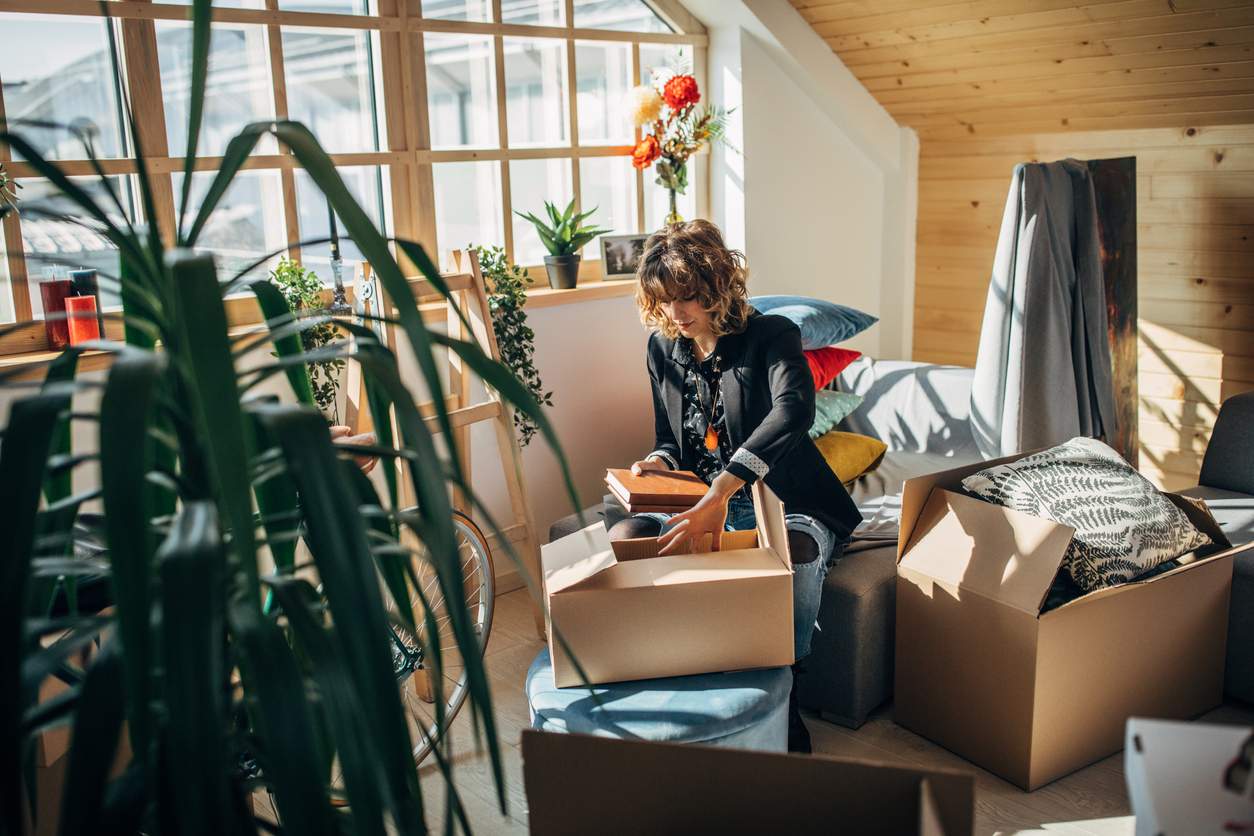
If you've decided it's finally time to tidy up, don't turn the whole home upside down in a single day. The key is to avoid changing everything around your pet all at once. A new bed, a relocated food bowl, and a completely rearranged living room all landing on the same day can leave more sensitive animals needing extra time to adjust.
"Cats adapt far more easily to small, gradual changes than to a sudden, complete overhaul," says Brusoe.
She recommends keeping feedings, playtime and quiet moments together at the same times, even while you're reorganizing. This helps maintain their sense of security. It's also worth noticing how your pet reacts to each newly cleared space.
Nicolaou says many owners report that their animal sleeps more soundly, seems less tense, or simply spends more time in a spot once the clutter is gone.
Minimalism isn't the goal
There's one thing the experts fully agree on: decluttering doesn't mean stripping away every familiar object. Dr. Gary Richter explains that your pet's favorite bed, blanket, toys, or their usual feeding spot are anchors that give them a sense of security.
We've seen this firsthand with our own dog. Our 13-year-old English bulldog is slowly losing his sight, so it's especially important that his familiar routes stay free of unexpected obstacles. Once, we had guests over and someone left a chair in the middle of the living room. He didn't see it and walked right into it. Since then we're even more careful not to change his environment unnecessarily — for him, predictability isn't just about comfort anymore, it's about safety.
So the goal isn't a magazine-perfect home. It's a space where your pet can find its way easily, feel its surroundings are predictable, and always have a calm place to retreat to. This is especially true for older pets, those with vision or hearing loss, and anxiety-prone dogs — but really, every animal benefits from a home that feels both safe and predictable.
Does a messy house really stress my dog or cat?
Not the mess itself — pets don't judge how tidy or stylish a home looks. What can stress them is when their environment constantly changes, making it harder to feel in control of their space.
Which areas of my home matter most to my pet?
The spots central to their daily life: the food and water bowls, their bed and resting corner, the litter box area, and any place they can retreat to. Keep these calm and easy to reach.
What are the signs my pet might be stressed?
Watch for changes from their usual self — hiding more, pacing, extra barking or meowing, appetite changes, avoiding certain rooms, being less playful, over-grooming or house-training accidents.
Should I declutter my home all at once?
No. Sudden, sweeping changes can unsettle sensitive animals. Make gradual changes and keep feedings, playtime and quiet moments at their usual times to preserve their sense of security.
When should I see a vet about my pet's behavior?
Behavioral changes can have a medical cause, so ruling out illness or pain comes first. If the anxiety is persistent, worsening, or affecting your pet's quality of life, consult a vet.