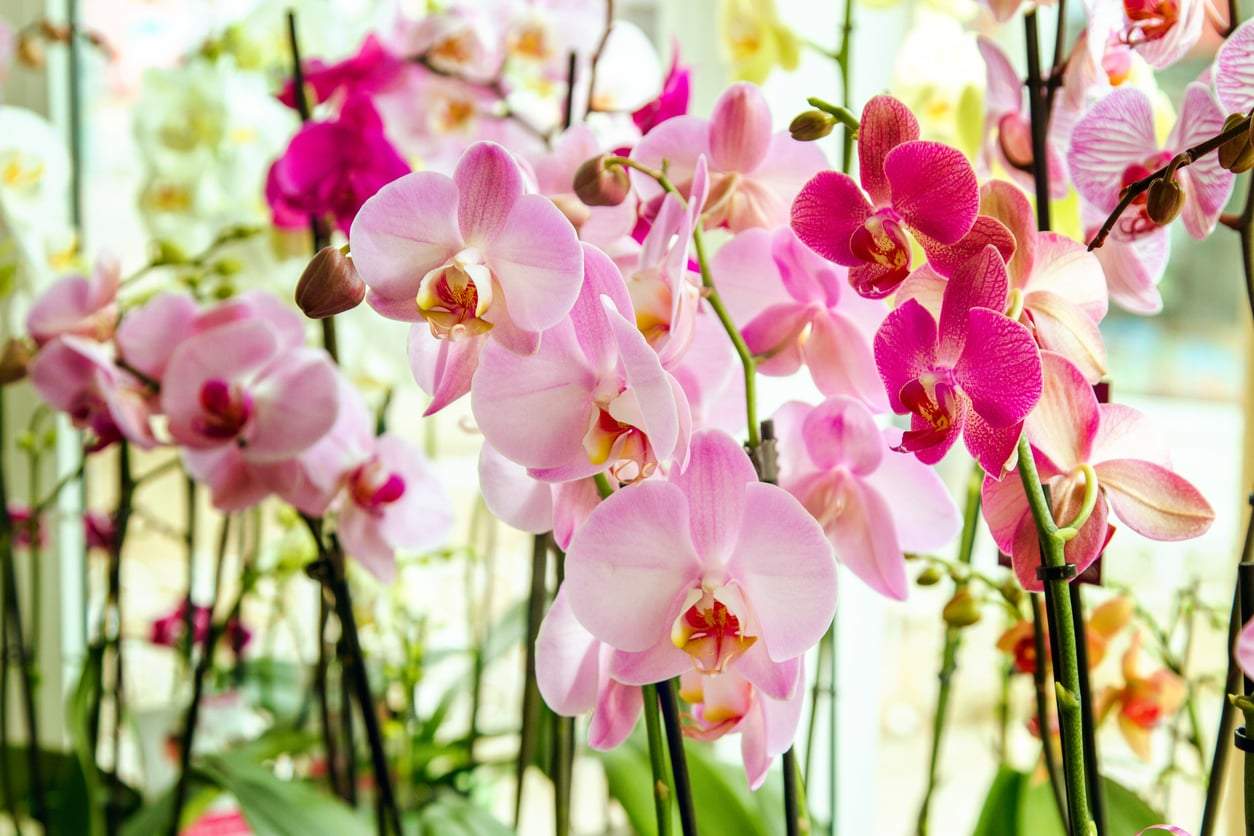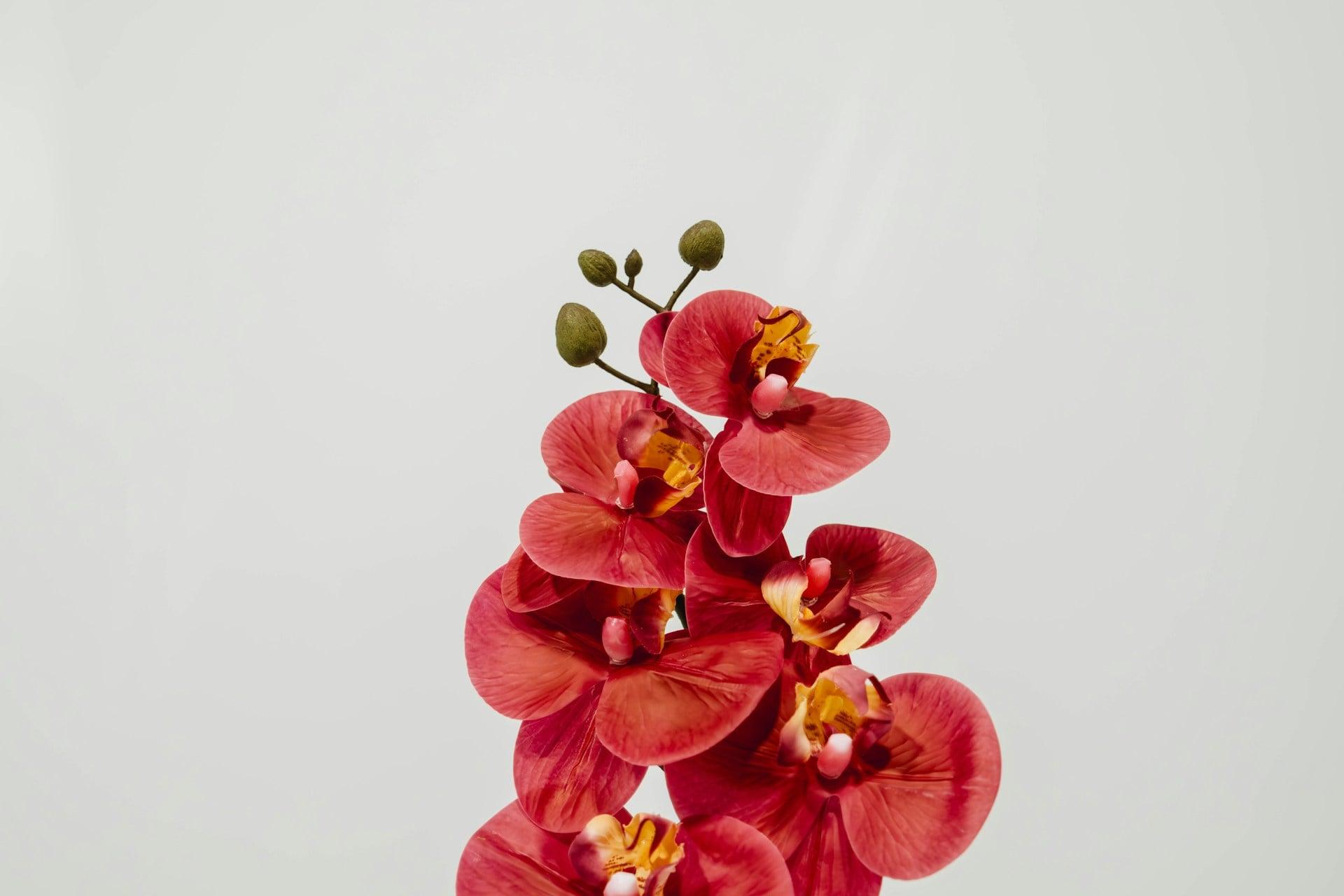
Orchids are like the peacocks of the flower world, boasting vibrant colors and unique shapes, with an upward growth that almost magically defies gravity. Like birds, orchids can be a bit sensitive when it comes to showing off their foliage. While they don’t bloom year-round, some orchid varieties can keep their flowers for months. With the right care, they often bloom again sooner than you’d expect.
Orchids usually bloom once or twice a year, following a rest period. How often and how long they bloom depends on their unique rhythm and care conditions, including light, temperature, and watering.
“Many plant lovers see new flower spikes appear in late summer or fall, depending on the rest period,” says Virginia Hayes, an indoor plant expert and head of Westerlay Orchids’ showroom.
A single flower spike can produce multiple blooms that open one after another, with each flower lasting several weeks. The buds and flowers grow on the spike, which emerges from the base of the leaves.
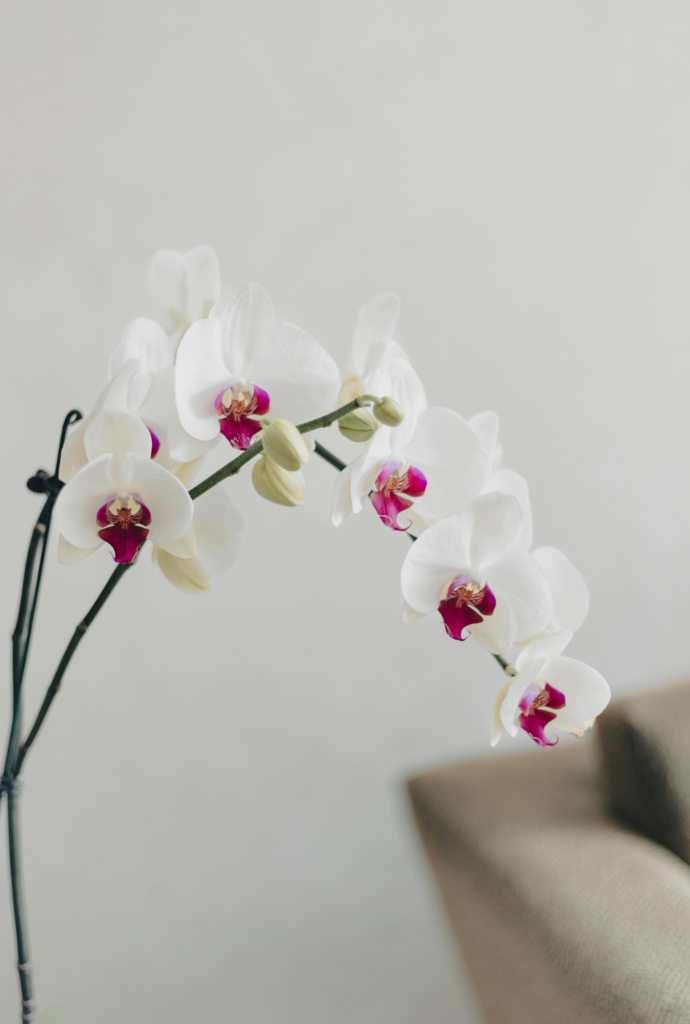
An orchid’s blooming period usually lasts 6–10 weeks, but some types, like moth orchids, can keep their flowers for 3–5 months. Still, orchids can’t bloom continuously all year. The good news? With proper care, you can expect them to bloom again. Hayes says this process takes time—sometimes several months—but it’s one of the greatest joys of orchid care. Every new flower spike is proof your routine works and your orchid feels right at home.
How to Care for Orchids
Follow these expert tips to help your orchid bloom more often and for longer.
Proper Watering
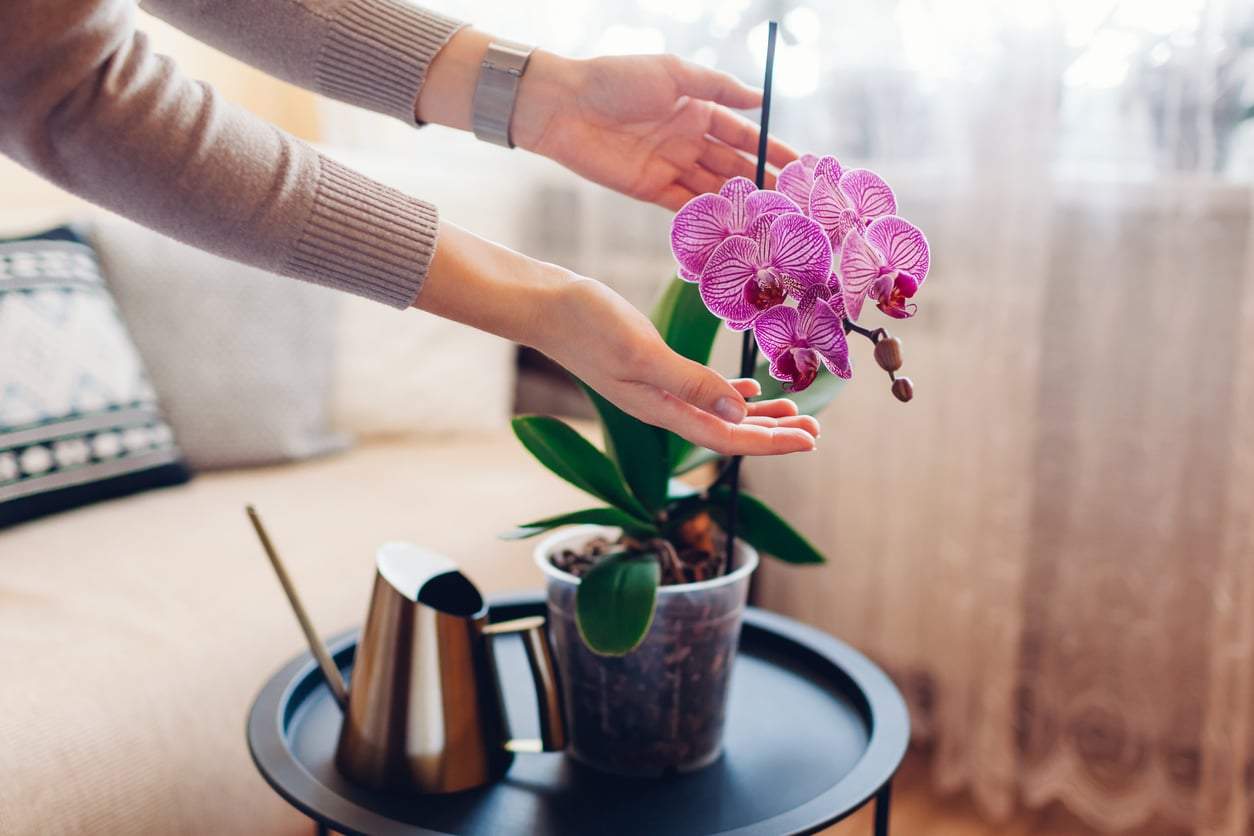
Hayes points out that overwatering is the most common mistake in orchid care. Poor drainage and underwatering also affect whether the plant stays healthy enough to bloom. “Check the medium before watering. If the soil is dry about one centimeter (0.4 inches) deep, it’s time to water,” Hayes advises.
Too much water causes root rot; too little leads to drying out.
It’s as simple as checking the roots. If they’re green and the bark is dark and moist, wait a few more days before watering. If the roots look gray and the bark is dry, it’s time to water. Place your orchid in a waterproof container, pour water over the bark until it reaches halfway up the pot, and let it soak for at least five minutes (10–15 minutes if very dry). Then remove it, let it drain completely, discard the water, and put it back in its decorative pot.

Bright, Indirect Light
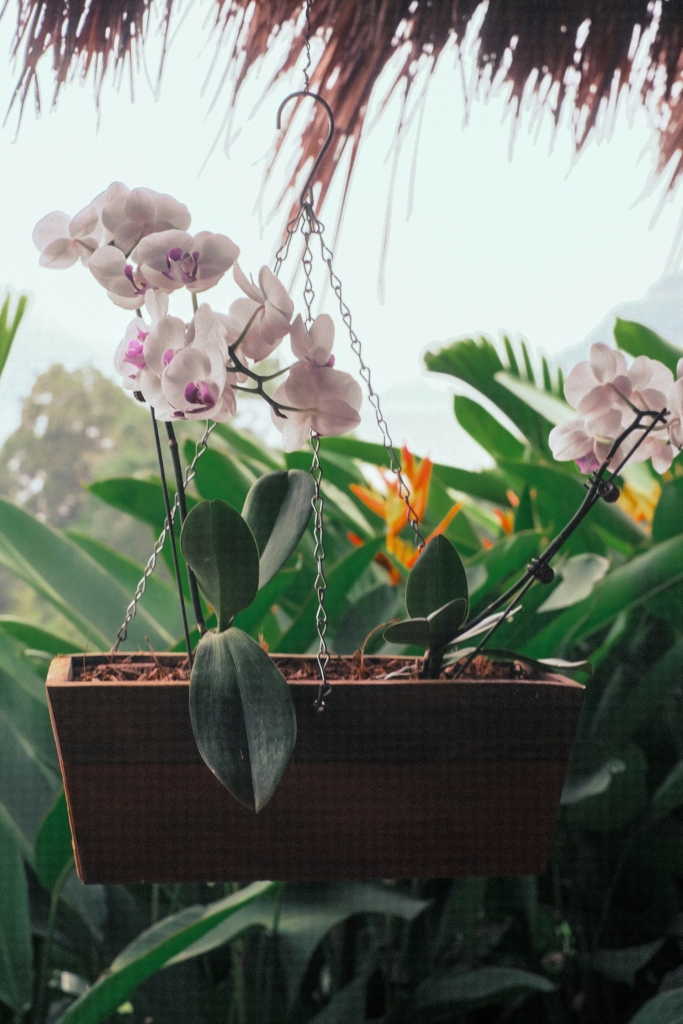
Giving your orchid enough light is also key to thriving growth. “Providing the right amount of light greatly increases the chance of reblooming, so place this beautiful plant in a bright spot protected from direct sunlight,” advises Hanfei Niu, plant expert at NiuPlants.
The more light an orchid gets, the longer its flowers last and the better its chances of blooming again.
Fertilizing and Pruning
Both fertilizing and pruning are important for orchids. Hayes explains:
Orchids have special nutrient needs. Fertilize during active growth and reduce feeding during rest periods.
When pruning, regularly remove dead or yellowing leaves and spent flowers so the plant can focus its energy on new growth.
Be Careful When Repotting
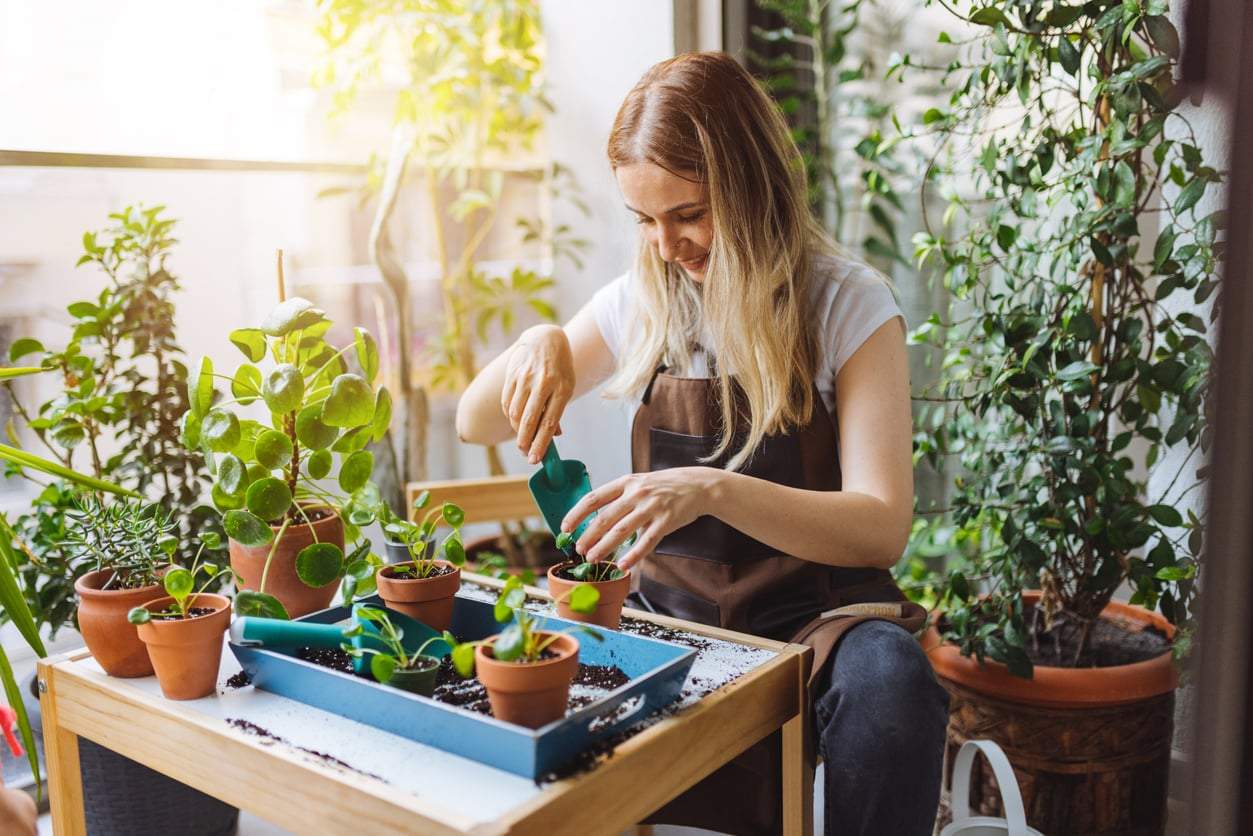
When repotting, make sure to use the right growing medium. Niu points out that orchids—especially common indoor types—grow naturally on trees without soil, so their roots don’t get nutrients from dirt.
“Orchids should never be planted in regular potting soil. They need a special orchid mix that you can buy or make yourself,” she says.
The most common indoor orchid, the moth orchid, thrives in a simple mix of 80% pine bark and 20% sphagnum moss. Use a coarse, bark-based medium that lets water drain quickly from the roots.
How to Encourage Your Orchid to Bloom Again
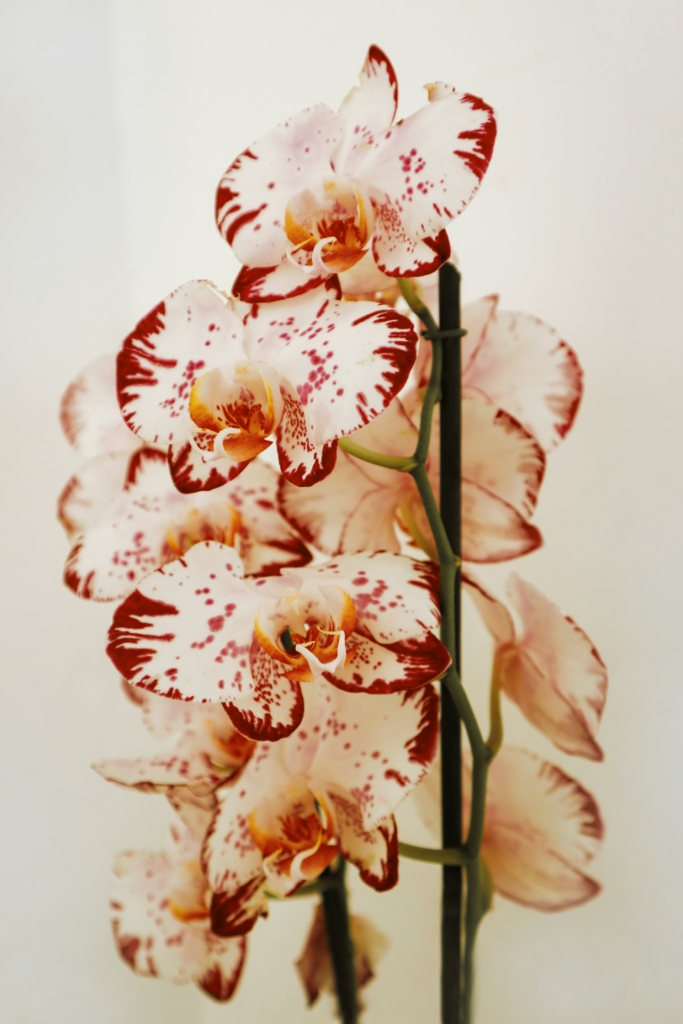
When your orchid’s flowers fade, you can trim the healthy green flower spike to encourage side shoots, or remove it entirely if it’s turned brown. This helps the plant focus energy on strengthening leaves and roots for future growth. Whichever you choose, keep up the care routine described above.
After your orchid finishes blooming and enters its rest period, environmental cues can help trigger the next bloom cycle. In nature, orchids rely on seasonal changes to know when it’s time to flower.
“Some orchids respond to temperature, others to light,” says Niu.
For temperature-sensitive varieties, the natural cooling in fall often starts the blooming process.
After a few weeks of consistent post-bloom care, aim to provide daytime temperatures around 21–27 °C (70–80 °F) and nighttime temps of 15–18 °C (59–65 °F) for several weeks. This slight nighttime coolness, paired with bright, indirect daylight, signals your orchid it’s time to produce a new flower spike.