These alternatives support not just your physical health but also your mental and emotional well-being, helping you achieve a more balanced body and mind.
Diet and Eating Habits
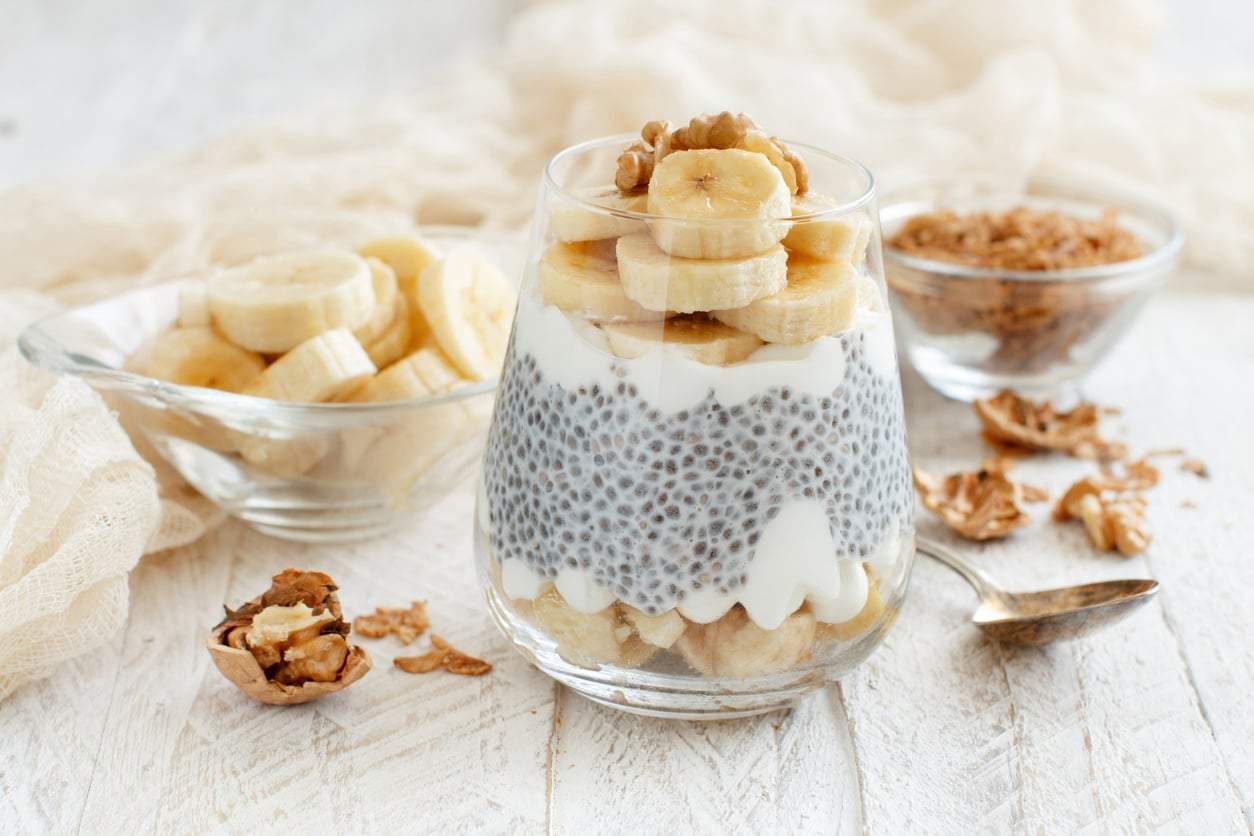
Eating well is a cornerstone of a healthy lifestyle and plays a key role in fertility. A balanced diet rich in fresh vegetables, fruits, whole grains, and lean proteins can help maintain hormonal balance.
Focus especially on foods high in folate, as this vitamin supports cell division and healthy fetal development. Think spinach, broccoli, and oranges. Also, try to cut back on processed foods, sugary drinks, and trans fats, which can disrupt your hormones.
Exercise
Regular exercise supports overall health and can positively impact fertility. Moderate activities like walking, cycling, or yoga help reduce stress and promote hormonal harmony.
But be mindful: too much intense exercise can backfire, especially if you’re training hard and often. The key is finding a joyful movement routine that feels good without wearing you out.
Rest and Stress Relief
Modern life can bring tension and anxiety that may affect fertility. Effective relaxation techniques like meditation, autogenic training, or breathing exercises can help manage stress. Quality sleep and regular downtime are essential for a well-functioning hormonal system.
Hydration
Proper hydration is vital for every cell in your body, including your reproductive system. Water flushes out toxins and supports blood circulation, which is key for optimal organ function.
Drinking at least two liters of water daily is recommended, but you may need more in hot weather or with an active lifestyle. Limit high-caffeine drinks like coffee and energy drinks, as they can dehydrate you.
Vitamins and Minerals
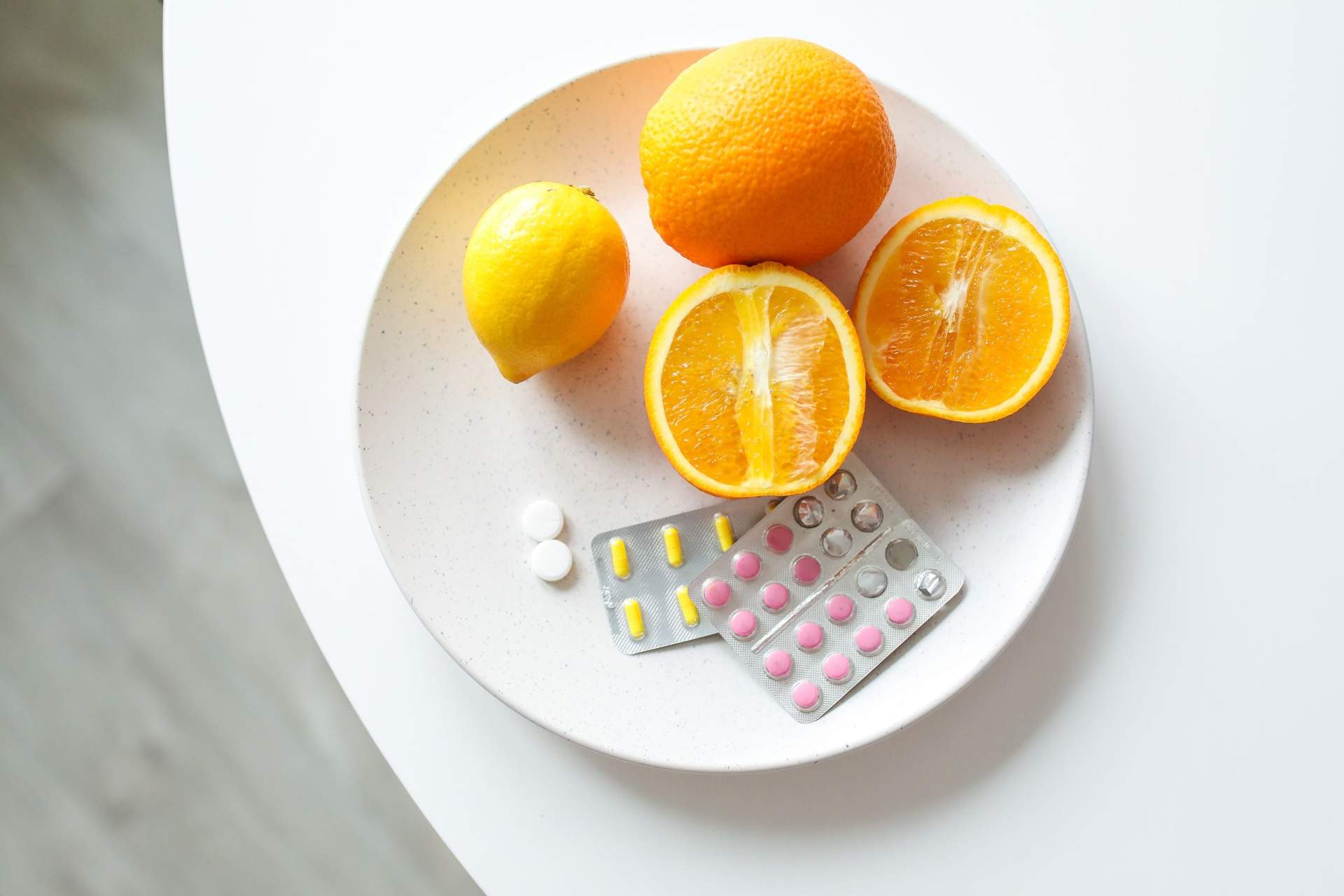
Certain vitamins and minerals play a big role in reproductive health. Vitamin E acts as an antioxidant protecting your cells, while vitamin C can improve circulation and support your immune system.
The B-vitamin complex is especially important for energy release and hormone balance. Zinc and selenium support male fertility, while calcium and vitamin D are essential for strong bones and healthy hormone levels.