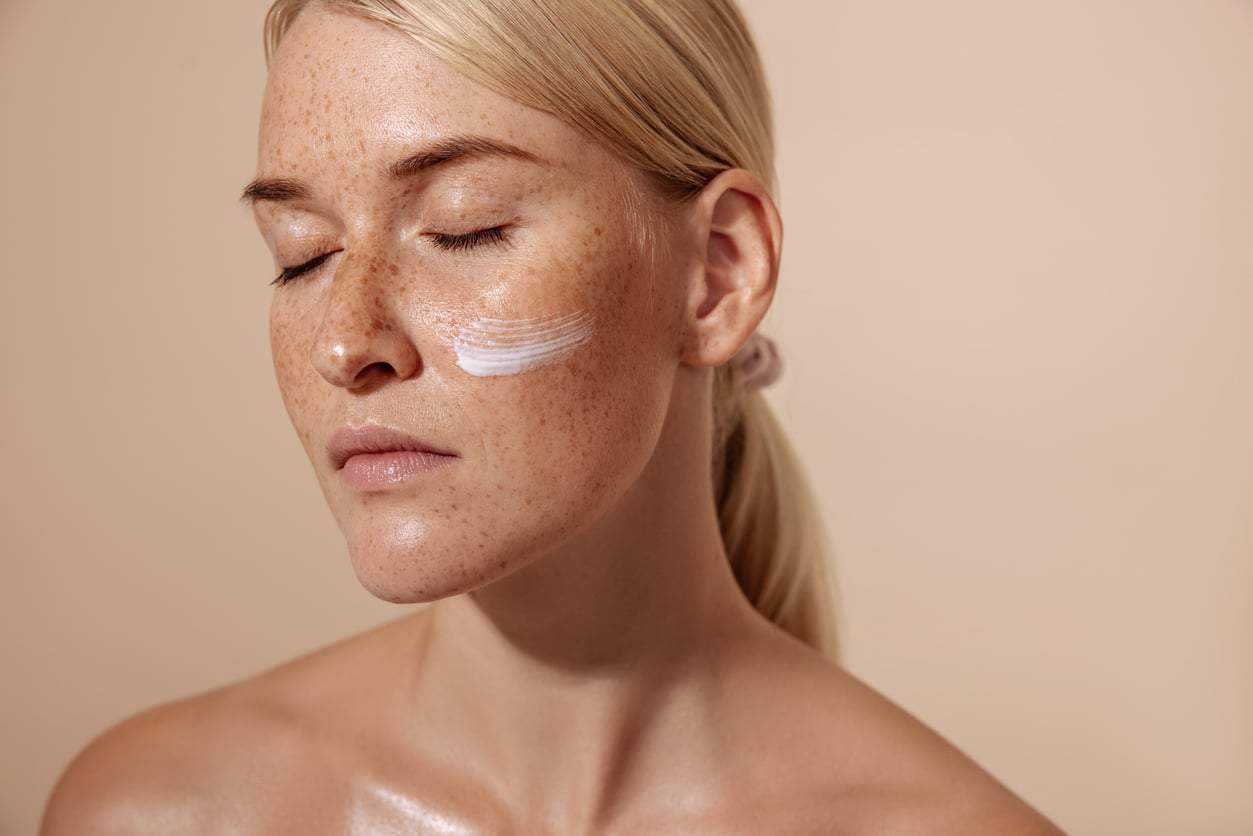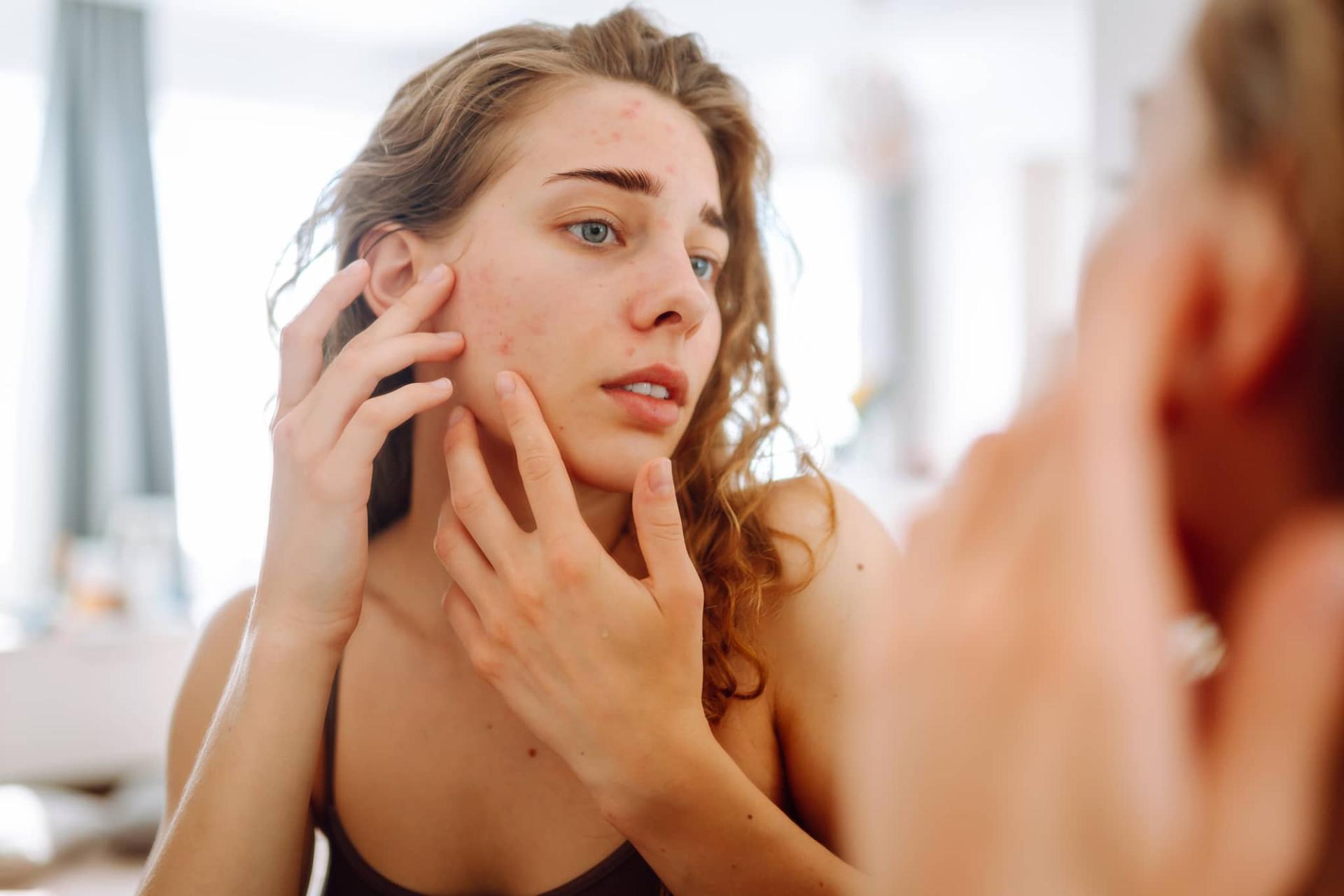
Many believe that skin health depends mainly on hydration and skincare products. But the truth is more complex—and surprisingly simple: your diet literally leaves its mark on your face.
What Exactly Is a Sugar Face?
In modern societies, excessive sugar intake is common—and it doesn’t just affect your internal organs; it impacts your skin too. The term “sugar face” refers to skin issues caused by too much refined sugar. Think puffy, red cheeks and uneven skin tone, which can eventually lead to wrinkles.
Glucose affects skin elasticity because blood sugar spikes damage collagen fibers. This causes your skin to lose firmness and bounce, speeding up aging. To keep your skin glowing, it’s smart to watch your sugar intake—especially empty calories.
Gluten Face: Myth or Reality?
Gluten-free diets are trendy, but they’re mainly essential for people with celiac disease or gluten sensitivity. Still, some say too much gluten can change your facial features, causing bloating, dull skin, and breakouts.
Excess gluten can cause digestive issues because some bodies struggle to break it down. If you notice these symptoms, it’s a good idea to consult a doctor and possibly a dietitian to safely adjust your diet.
How Dairy Affects Acne
Managing acne-prone skin isn’t easy, and many don’t realize that dairy products can worsen skin issues. Full-fat milk and cheeses can boost oil production, clogging pores and triggering breakouts.
Dairy is also linked to higher insulin levels, which can affect your skin’s health. Trying to reduce or cut out dairy might help, especially if you’re struggling with skin problems.
How to Improve Diet-Related Skin Issues
There are many ways to use supplements and natural ingredients to support your skin’s health. Antioxidant-rich foods like berries, leafy greens, and avocado can reduce oxidative stress and help your skin look youthful.
Drinking plenty of water is key for hydrated, healthy skin. Plus, omega-3 rich foods like salmon and flaxseed can boost skin elasticity and calm inflammation.
The Secret to Healthy Skin: Diet and Lifestyle Changes
A balanced diet and healthy lifestyle don’t just improve your skin—they boost your overall well-being. Along with eating well, regular exercise and good sleep are vital for glowing skin.
Personalized, holistic care is key. Consulting dietitians and getting regular check-ups help steer your health in the right direction. Your skin reflects your whole body’s health, so it deserves your care and attention.