When autumn leaves create a colorful carpet over your garden and plants start to wither, many think it’s fine to wait until spring to clean up. But is that really the best move? Should you leave dead plants in your vegetable patch and flower beds? Or is it smarter to act now for a healthier garden next year?
Edward Olsen, a horticulture expert and head of the Ornamental Horticulture program at the University of Vermont, shared with The Spruce when and how to safely remove plant debris this season.
Why You Should Remove Dead Plants in the Fall
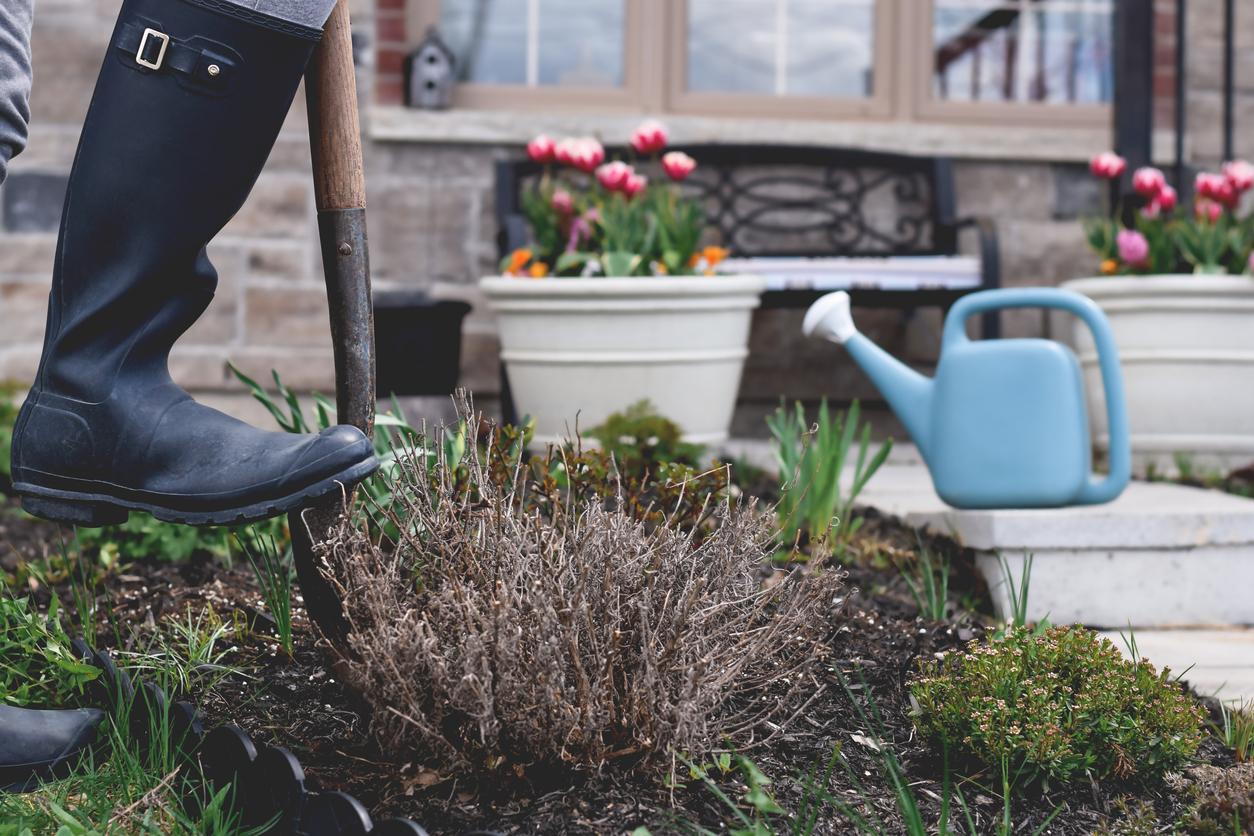
Many gardeners leave fallen leaves in flower beds to insulate and shelter pollinators like butterflies and beetles. But it’s wise to remove dead parts of vegetables, herbs, and flowers—especially if they carried diseases or pests during the season.
Edward Olsen explains that pathogens and pests often overwinter on dead plant parts, so if you don’t clear them out in the fall, they’re likely to return in spring and infect your plants again.
How to Properly Remove Dead Plants
Dead stems and leaves usually pull out easily from the soil. If a stem clings tightly and requires pruning shears, check the specific pruning needs of that plant before cutting.
Some plants sprout new growth from last year’s woody stems in spring—so avoid cutting those back too much. Others start fresh with new shoots and can be safely trimmed close to the base.
What to Do with Dead Plant Material
Most healthy dead plant parts can go straight into your compost pile, returning valuable nutrients to your garden soil.
But if plants were affected by diseases or pests, Olsen advises against composting them. Pathogens can survive the process and reinfect your garden in spring.
A safe option is to bag these remains and dispose of them with household trash. If possible, burning them in a garden fire pit is effective—just be sure to follow all fire safety rules.
Important: Never burn plants like poison sumac, as their smoke can irritate your respiratory system.
4 More Things to Remove from Your Garden Before Winter
Besides dead plants, here are a few more things experts recommend clearing out before the cold months arrive.
- Damaged plant stems
Small cracks on stems can worsen with winter frost. Prune these back in fall to prevent bigger problems. - Weeds
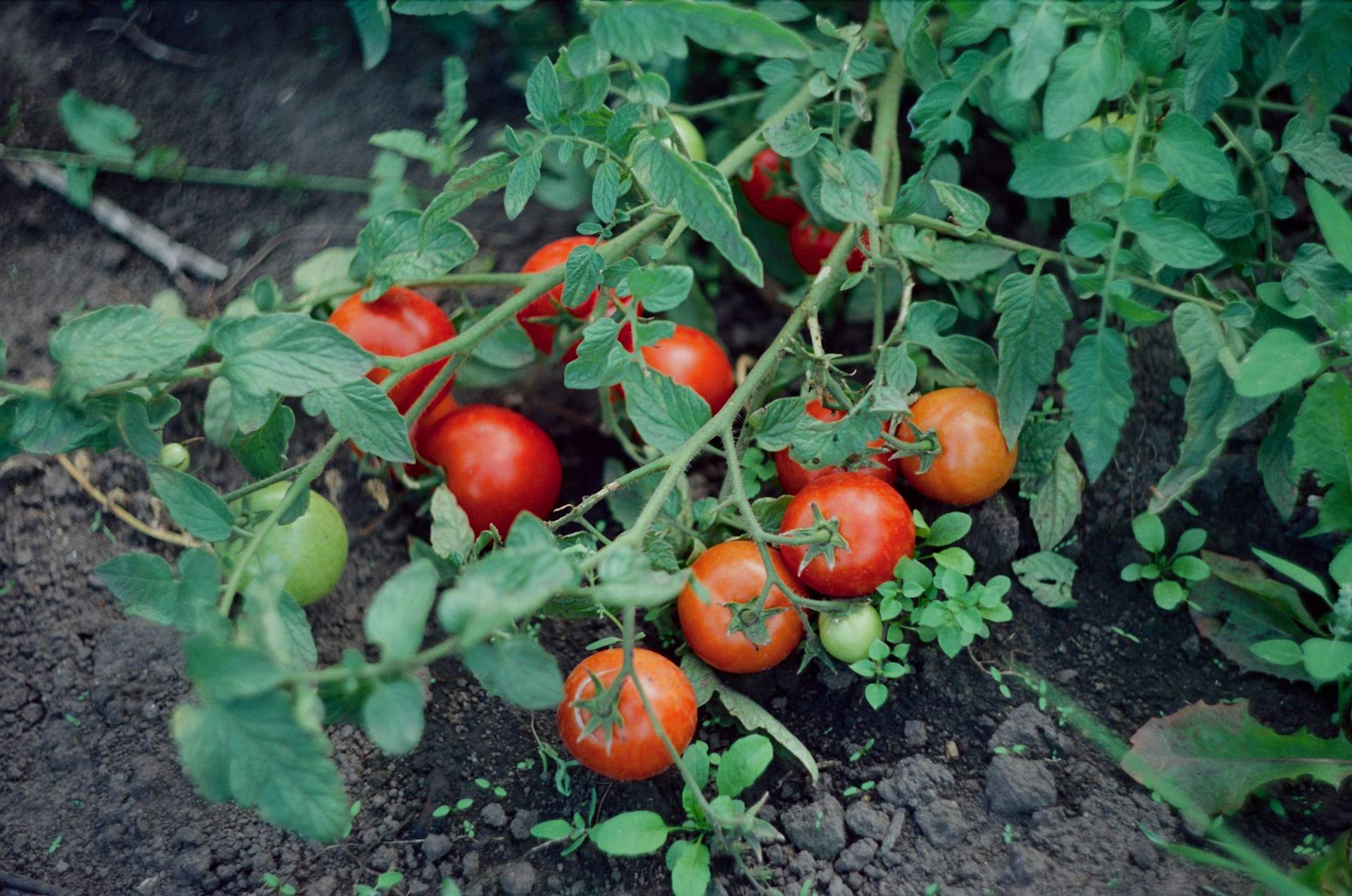
Remove weeds before they set seed to reduce your spring workload and keep your garden tidy. - Overripe fruits and vegetables
Leftover produce under trees can harbor pests and diseases or attract unwanted animals. Compost or discard them properly. - Garden debris and tools
Clear out bird nets, strings, broken row covers, and other forgotten gear that could harm wildlife. Cleaning stakes, labels, and grids helps prevent spreading pathogens next spring.
A Little Care Now Means a Healthier, Neater Garden in Spring
Fall garden cleanup might not be the most exciting task, but your garden—and you—will thank you down the road. With a bit of attention now, you’ll enjoy a healthier, more vibrant, and pest-resistant spring. As Edward Olsen reminds us: prevention is always easier than cure.