Not every plant that stays green year-round is a good neighbor. Some of the most popular evergreens can quietly take over your garden, harm other plants, damage your property — or even pose a risk to your children and pets. Before you head to the garden center, here are seven evergreens that are far more trouble than they're worth.
1. Leyland cypress — the fast-growing bully
Leyland cypress is a go-to choice for quick privacy screens and hedges, and it's easy to see why: it grows at an astonishing rate. But that speed comes at a cost. It spreads aggressively, outcompeting and suppressing surrounding plants by hogging nutrients and water. Over time, its sheer size can dominate your entire garden, and the constant leaf drop becomes a maintenance headache you didn't sign up for.
2. Eucalyptus — fragrant but ruthless
There's something undeniably appealing about eucalyptus — the scent, the silvery leaves, the striking silhouette. But this tree is a demanding guest. It drinks enormous amounts of water, drying out the soil around it and making life difficult for neighboring plants. Worse, its roots can spread so aggressively that they damage foundations, pathways, and underground pipes. Beautiful from a distance; a liability up close.
3. Thuja — the hedge that fights back
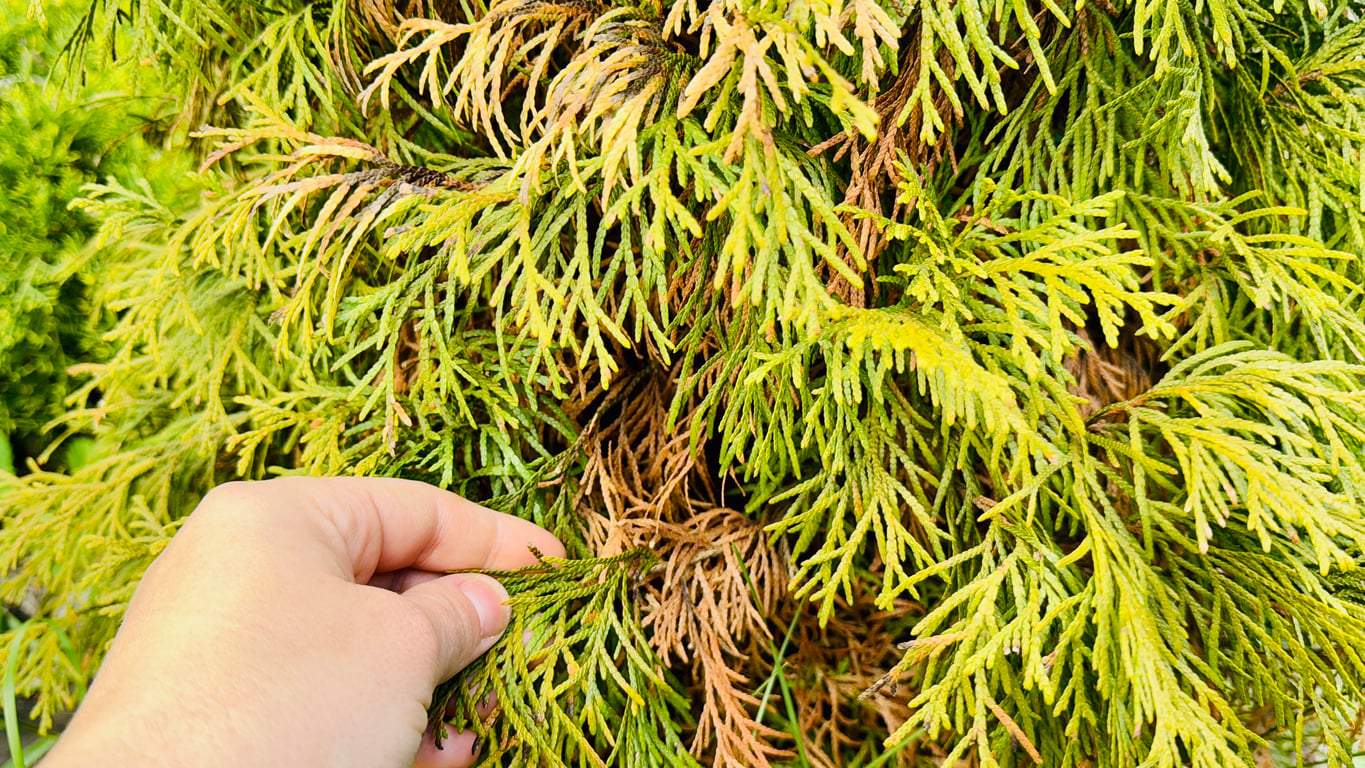
Thuja is one of the most commonly planted hedging plants, and on the surface it seems like a sensible choice. But there's a side to it many gardeners discover too late. It's a significant allergen, causing real problems during pollen season for sensitive individuals. It's also prone to fungal infections that can spread rapidly to other plants in your garden, potentially disrupting the entire ecosystem you've worked hard to build.
4. Cherry laurel — the green troublemaker
Cherry laurel looks the part: dense, glossy, and impressively robust. But its good looks hide a few serious problems. Its rapid growth means it quickly smothers surrounding plants, crowding out other species and reducing biodiversity in your garden. On top of that, it produces toxic berries that can be dangerous to pets and young children — a risk that's easy to overlook until it's too late.
If you're rethinking your garden layout, it's worth exploring plant combinations that actually work well together for a more balanced, low-maintenance space.
5. Oleander — stunning but seriously toxic
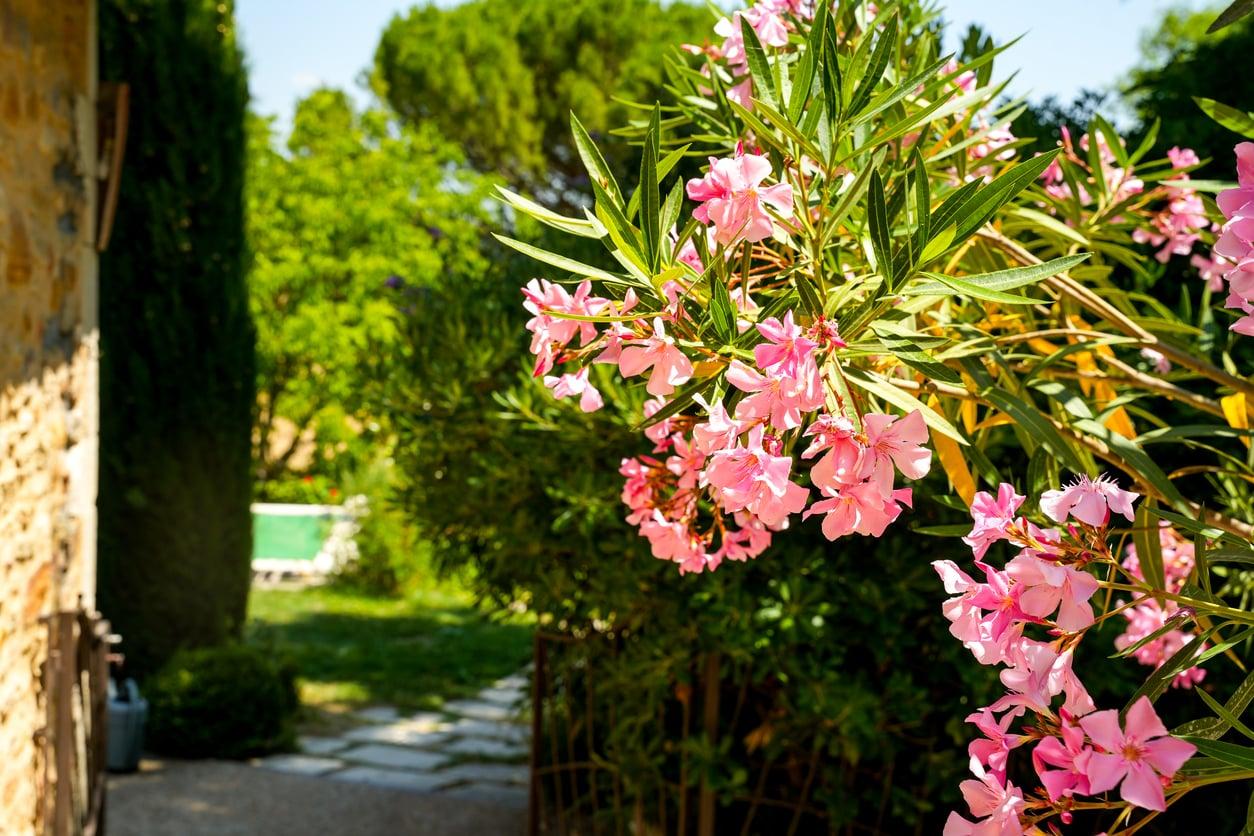
Few plants put on a show quite like oleander — its blooms are vibrant, long-lasting, and genuinely beautiful. But every single part of this plant is toxic, from the leaves to the flowers to the stems. It can be grown outdoors in milder climates, but it should never be planted near spaces where children or animals spend time. The risk of accidental poisoning or allergic reaction simply isn't worth it.
6. Boxwood — the high-maintenance classic
Boxwood has been a garden staple for centuries, prized for its neat, shapeable form and year-round color. But modern gardens are finding it increasingly difficult to maintain. It's highly vulnerable to the box tree moth, a pest that can devastate an entire plant within weeks — and then spread to other evergreens nearby. Keeping boxwood healthy demands constant vigilance, and the battle against disease and pests can become a serious drain on your time and energy.
7. Japanese juniper — roots that refuse to quit
Japanese juniper is undeniably attractive: easy to shape, colorful, and low to the ground. But beneath the surface, it tells a different story. Its root system is dense and far-reaching, disrupting soil structure and making it extremely difficult to remove once established. Its thick foliage also absorbs moisture aggressively, starving smaller plants nearby of the water they need to survive.
Think before you plant
Every plant you add to your garden is a long-term commitment. The seven evergreens above aren't necessarily bad plants — but in the wrong setting, they can cause real and lasting damage. Taking the time to research what a plant will look like in five or ten years, not just when you buy it, is the most important thing you can do for your garden's health. A little caution now saves a lot of frustration later.