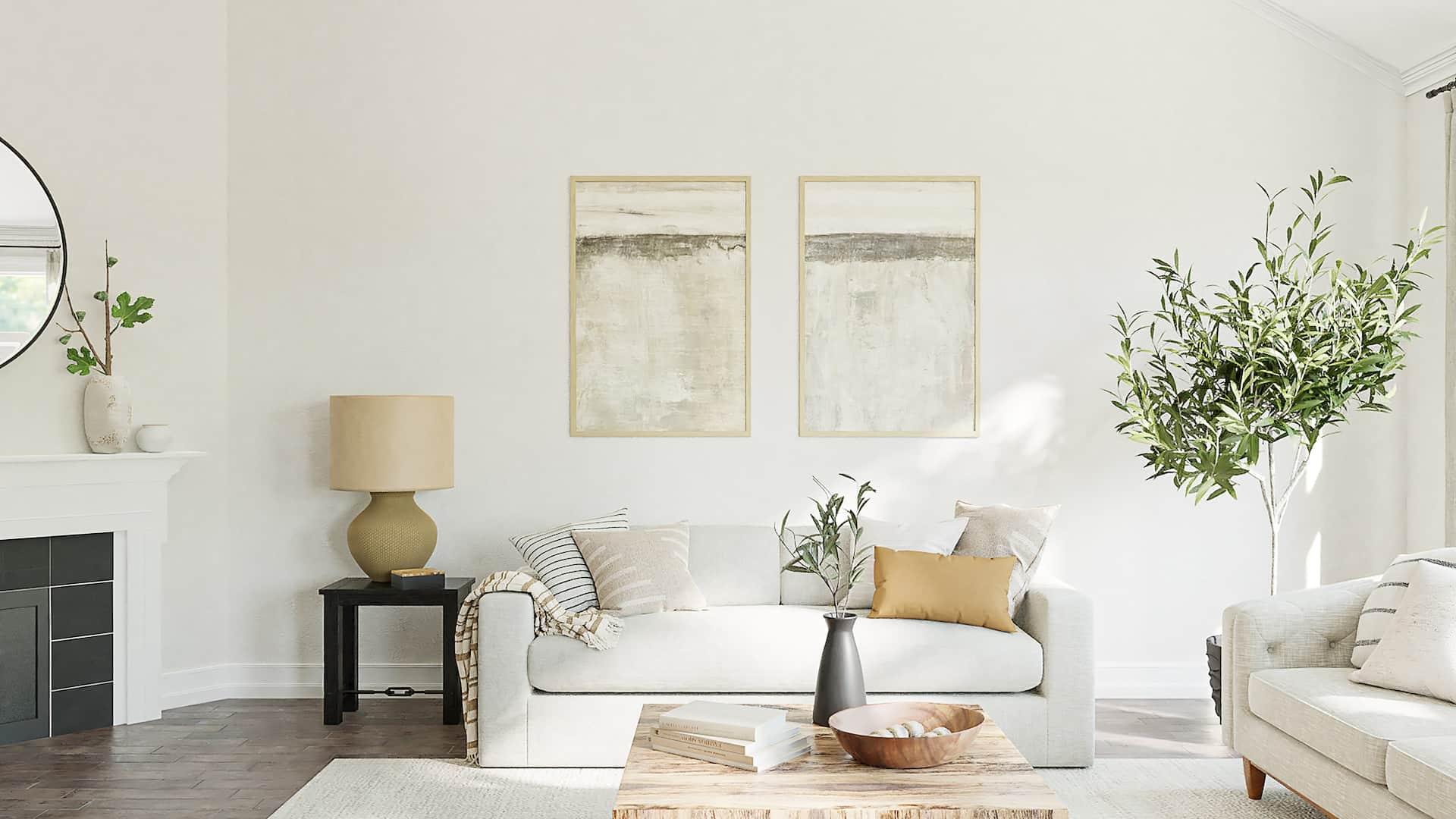
Lighting plays a key role in creating the unique atmosphere of our home, especially when it comes to rooms that receive less natural light. Bright spaces always feel more attractive and open than those lacking sunlight. But how can we enhance the brightness and fullness of a dark room? Let's see the best proven tricks of interior designers that bring even the gloomiest corners to life!
Colors of walls and floors
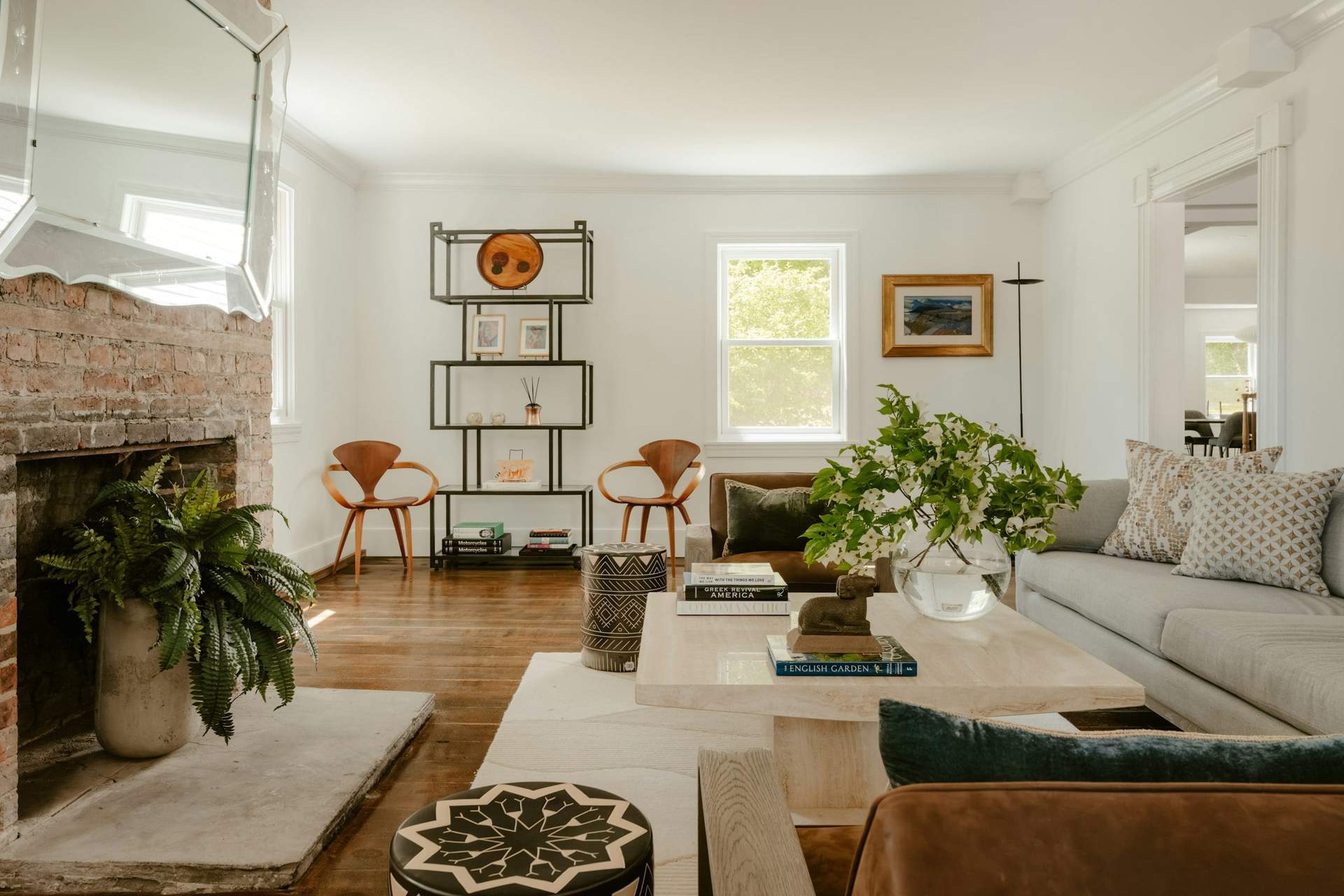
The magical power of colors can change our perception of space, so it is important to consider which shades we work with. Light colors, especially white and pastel shades, reflect light excellently, thus optically enlarging the space. If white seems too sterile, you can choose pale blue, soft yellow, or pastel green shades. These subtle yet lively colors always fill the room with new energy.
The same principle applies to the floor. A light flooring, such as beech or light oak effect laminate flooring, can also make the space appear larger and airier. If replacing parquet or tiles is not an option, a light-colored rug can also be a great alternative.
Mirrors and reflective surfaces
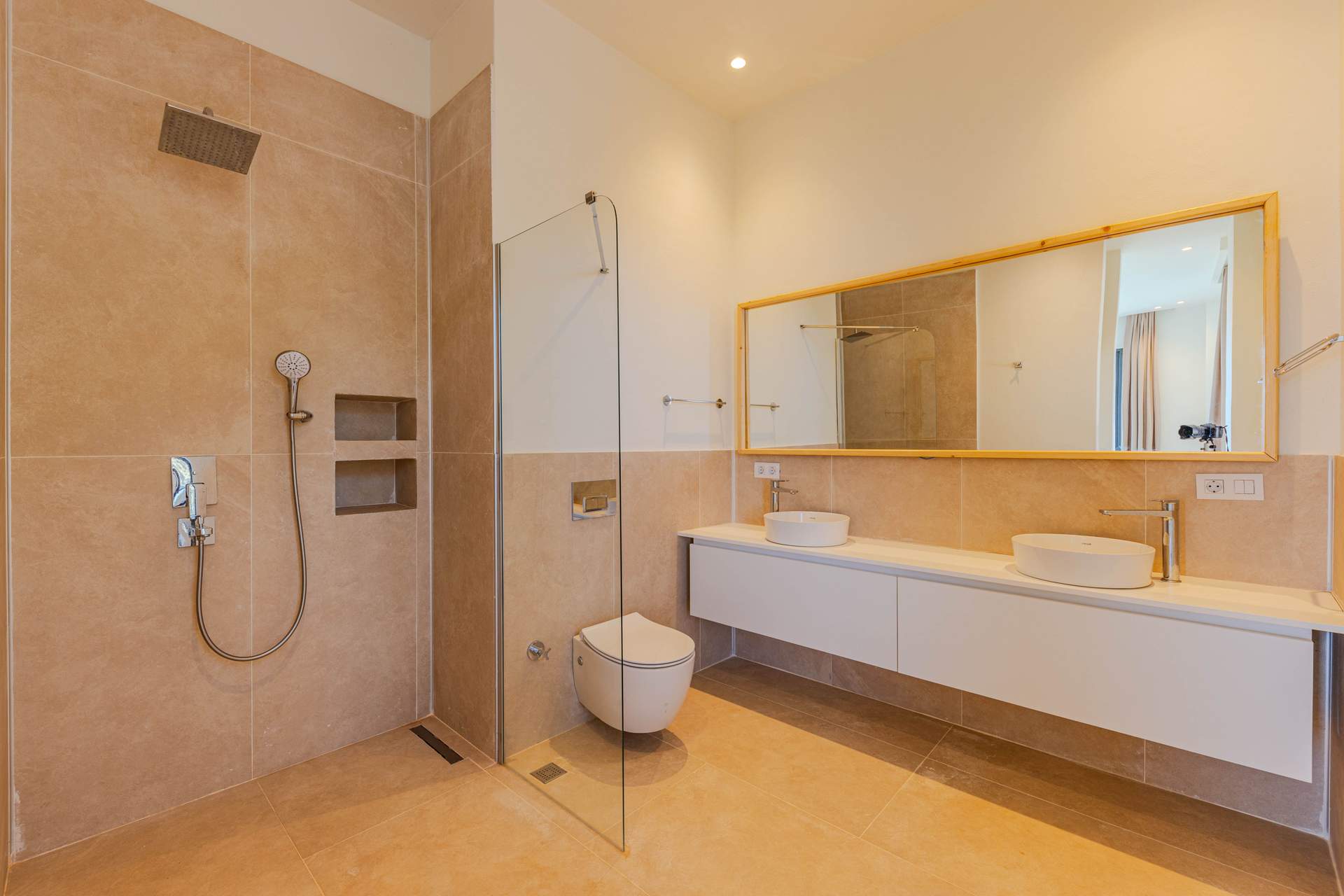
Using mirrors is one of the simplest and most effective ways to multiply light in a room. A well-placed, large mirror near a window or opposite a light source has a space-enlarging effect, as it reflects both sunlight and lamp light. Additionally, furniture and accessories with reflective surfaces also contribute to making the room appear brighter.
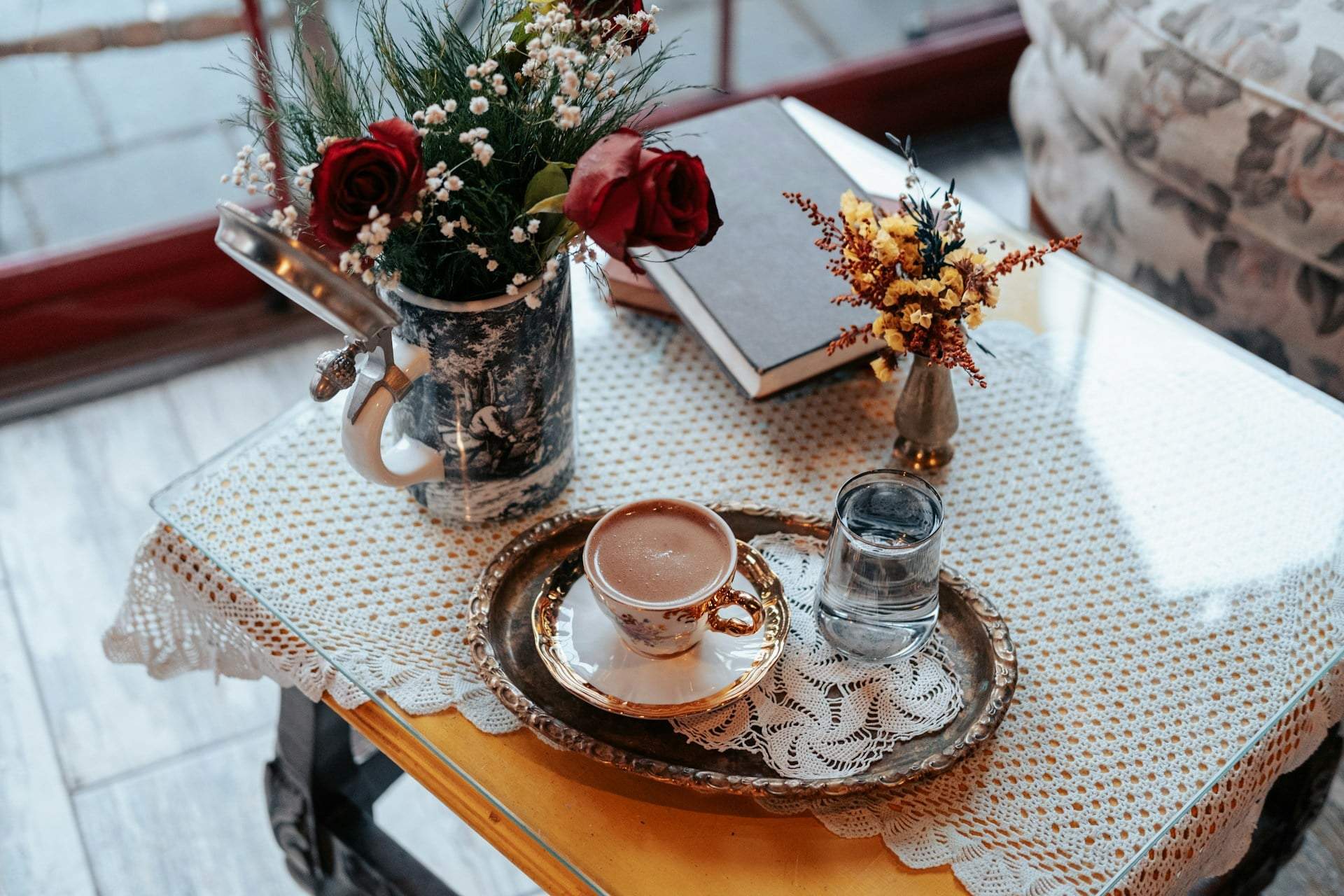
Think, for example, of a glass coffee table which, although invisible, can significantly increase the dynamics of the space without causing visual clutter. It is worth looking for shiny surface metallic decorations, such as copper or silver photo frames and vases, which elegantly reflect and scatter light throughout the room.
Layering lighting
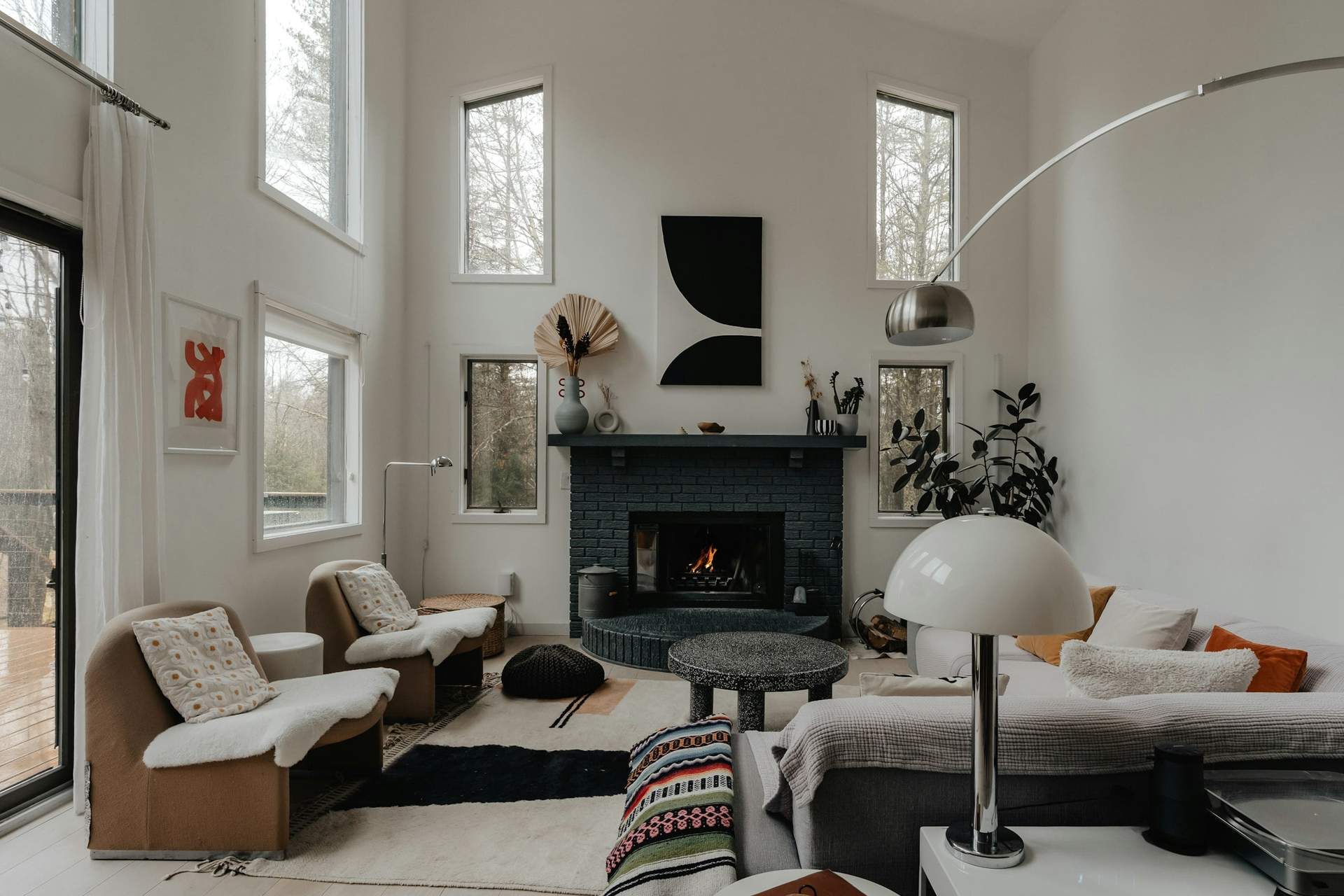
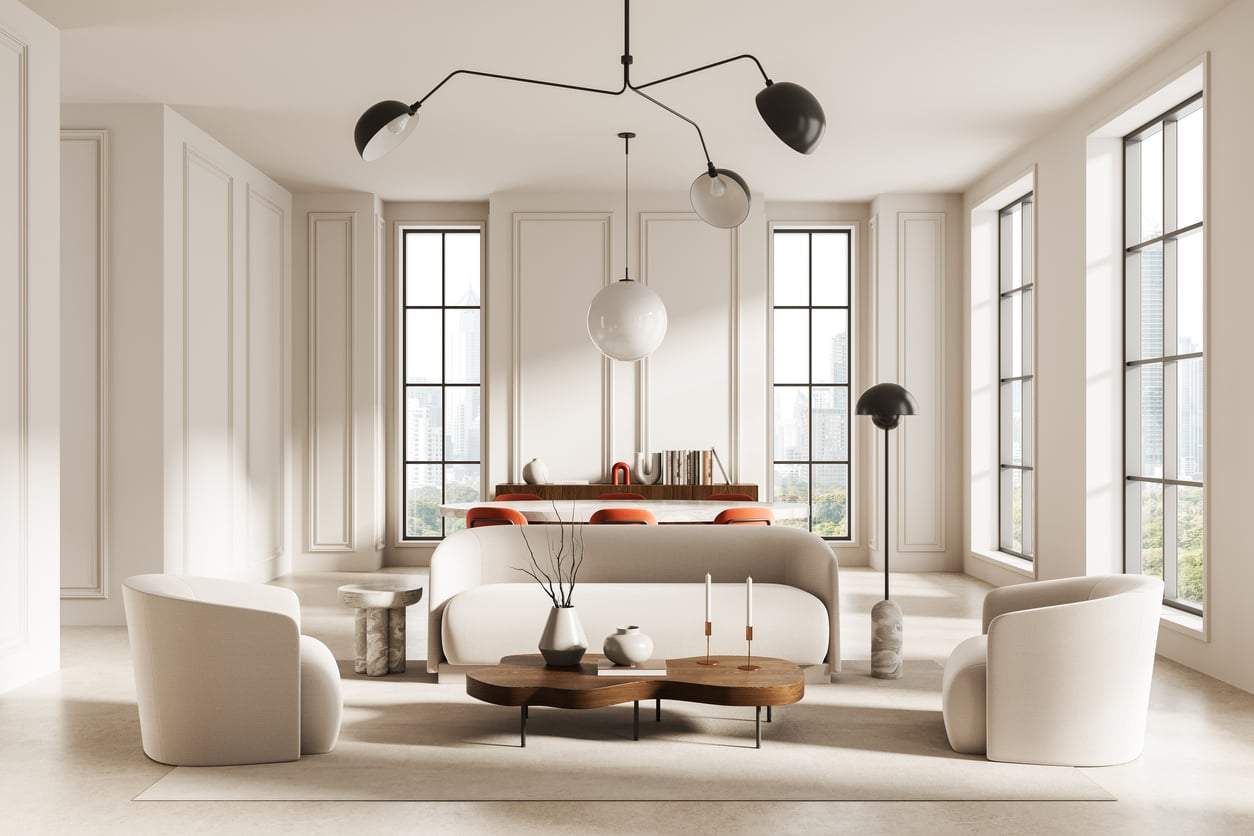
Using multiple layers of lighting allows us to create different moods within the same room. This approach includes combining ceiling lamps, floor lamps, table lamps, wall sconces, and even hidden light sources. The goal is to provide appropriate lighting for every necessary activity while creating a cozy and welcoming atmosphere.
For a natural look, choose warm light LED bulbs, which are energy-efficient in the long run. Additionally, consider installing dimmable lamps or smart lighting systems, which allow you to adjust the amount and intensity of light as needed.
Smart use of textiles and patterns
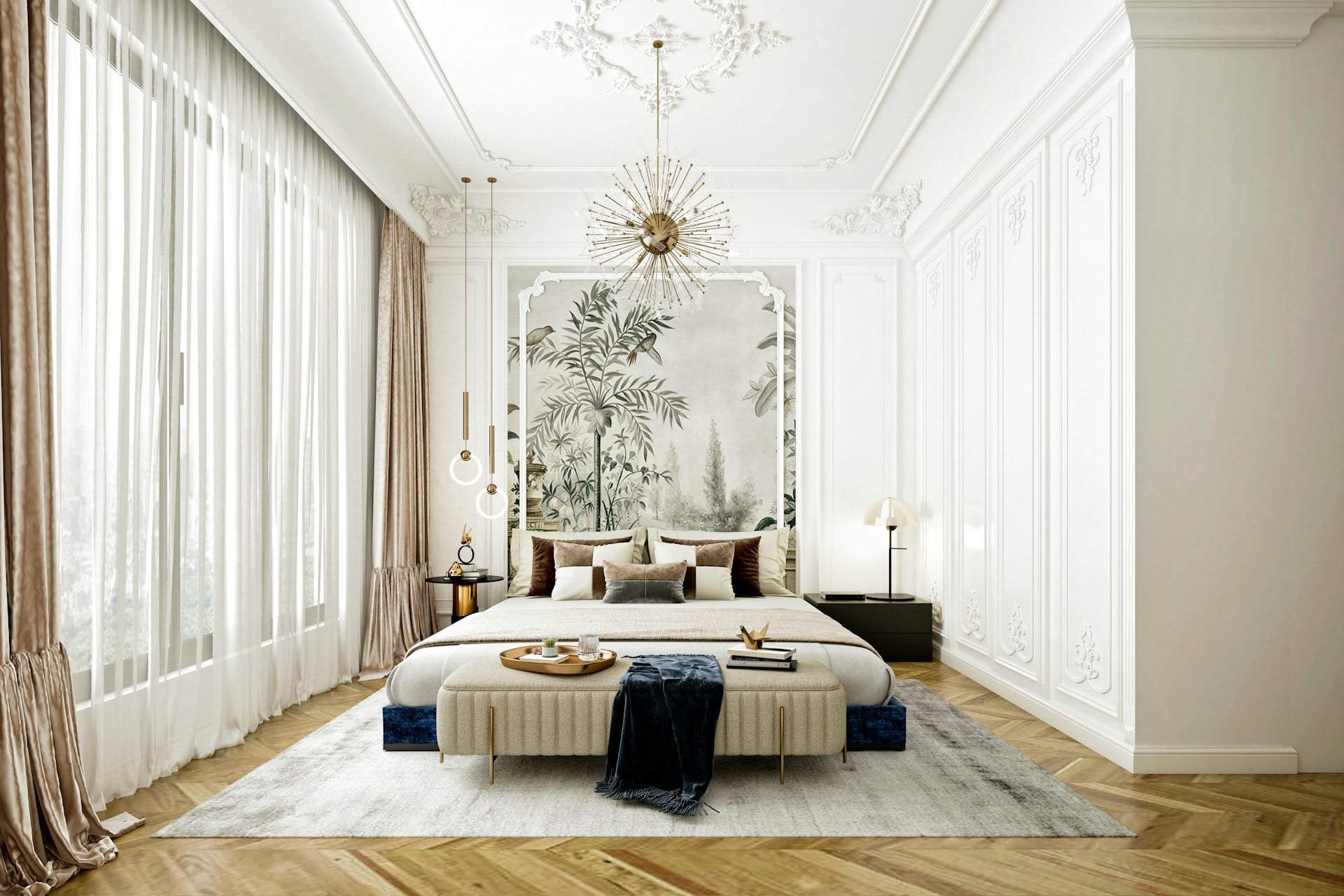
The textiles in our home not only provide a sense of warmth but also add style and character to the spaces. Choose lightweight materials for curtains, such as translucent, loosely woven fabrics that allow light to filter through. Moreover, light-colored, solid or subtly patterned fabrics are suitable for controlling natural light.
The presence of patterns adds excitement to the design, but it is important to use them carefully. Geometric, restrained motifs allow for playfulness regarding the space without making the overall effect chaotic. It is enough to use patterns on complementary pillows or throws, thus maintaining harmony.
Furniture and arrangement
Our furniture greatly influences whether a room feels spacious or cluttered. Avoid dark, heavy pieces in a small space. Lightweight, multifunctional furniture that not only saves space but is also practical is preferable. Think of a pull-out sofa or wall-mounted shelves.
The right arrangement is also important: ensure free movement and make sure every element serves its function without obstructing the view. Transparent, glass-surfaced furniture, such as a sleek glass table, can help avoid clutter.
Plants and natural elements
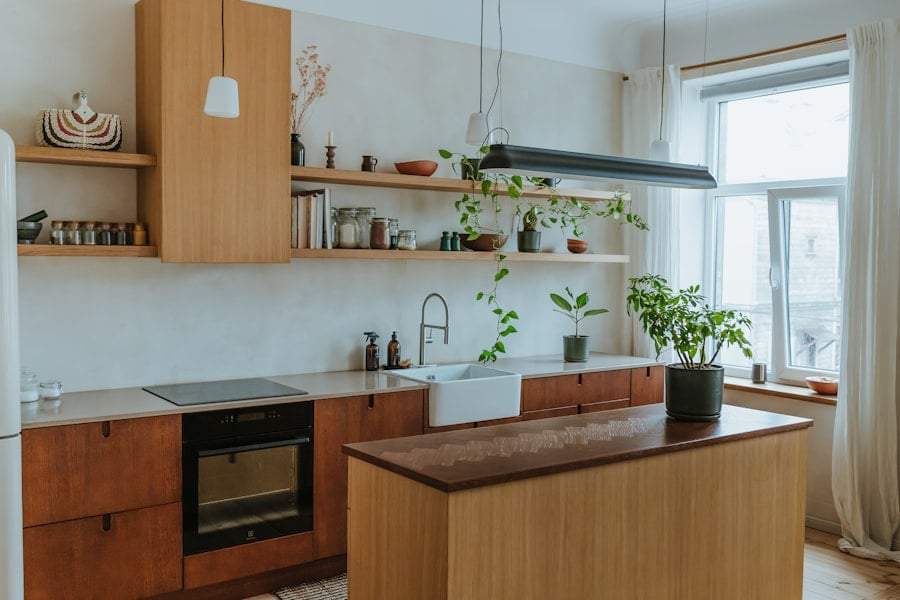
Natural elements, such as houseplants, can fill rooms with coziness and freshness while reducing the gloominess of dark rooms. Choose plants with light green leaves, such as palms or philodendrons, which also have health benefits as they improve air quality.
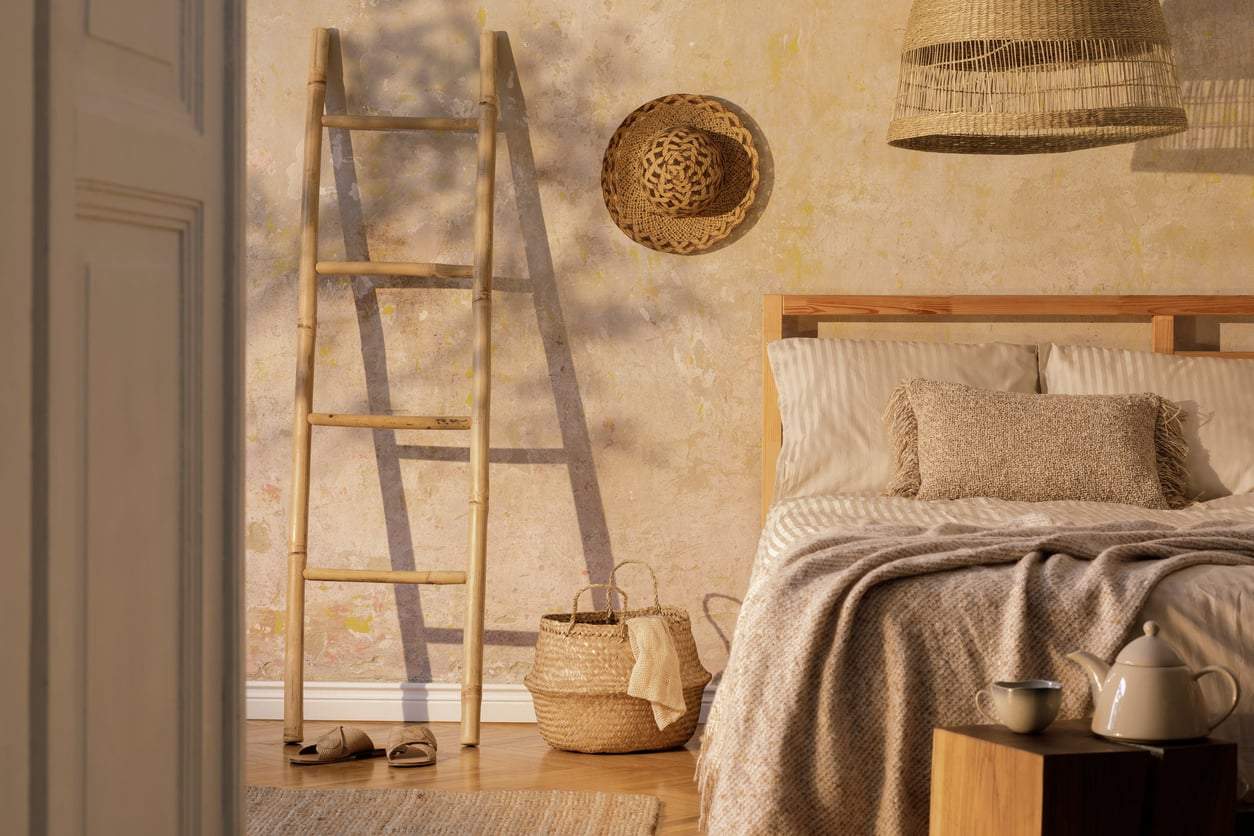
Additionally, use small wooden or rattan decorations that create a natural effect and make spaces more atmospheric. These materials bring warmth and vitality to the home while visually lightening the space.