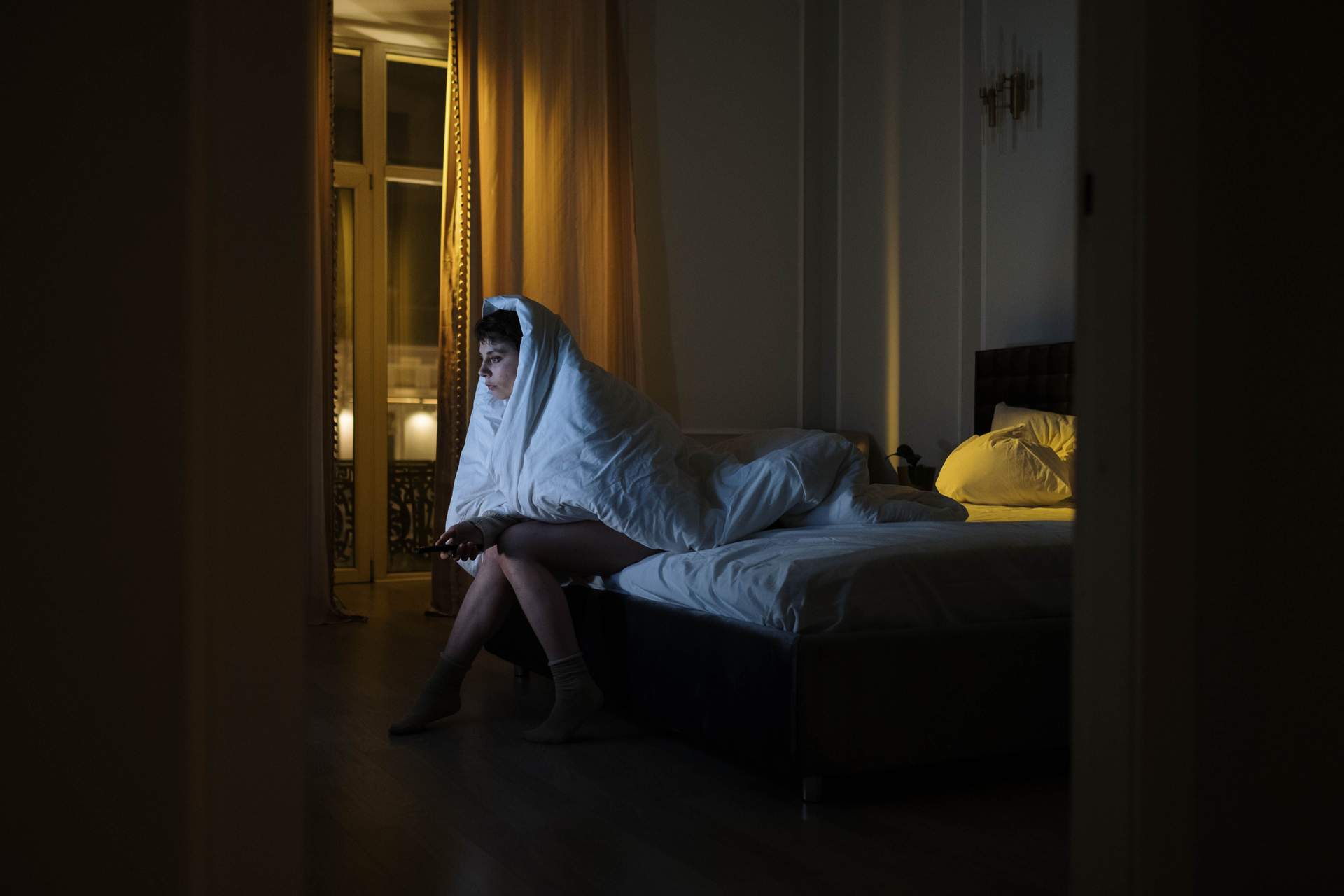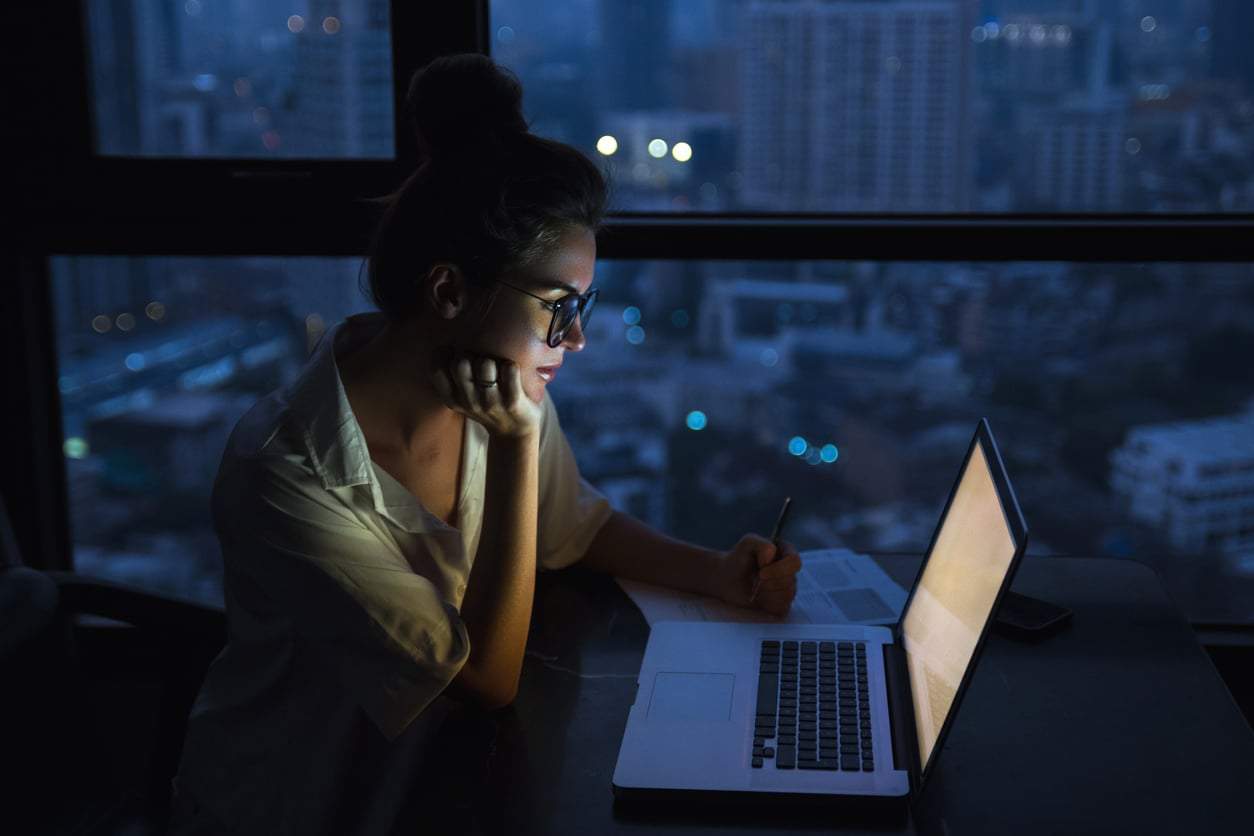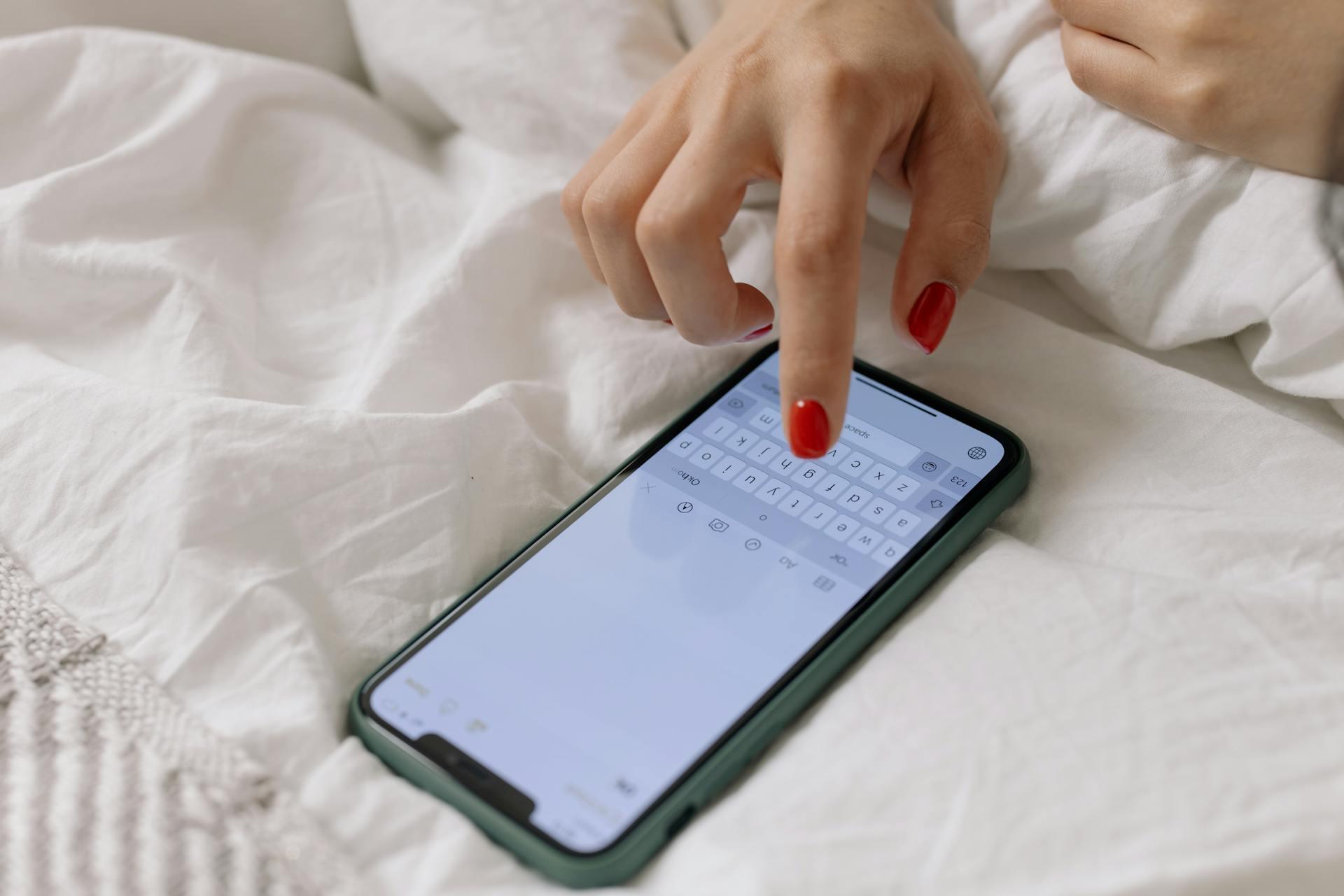
You already know you should put your phone down before bed. But now science has a sharper warning — and the numbers are hard to ignore. A study published in Frontiers in Psychiatry found that every additional hour of screen time before sleep increases the risk of insomnia by 59% and reduces total sleep time by 24 minutes. That adds up fast.
And it's not just social media scrolling that's the problem. According to the researchers — as highlighted by Well + Good — every screen-based activity before bed had a negative impact on sleep. That includes watching films, gaming, and even reading on a device.
What the research actually found
To reach these conclusions, researchers collected data from more than 45,000 Norwegian university students between the ages of 18 and 28. Each participant filled out a detailed questionnaire covering what they did on their phones before bed, how long they spent looking at screens, how many hours they slept, how long it took them to fall asleep, and whether they experienced any sleep difficulties.
Beyond measuring insomnia symptoms, the researchers found that the majority of students reported sleep disturbances directly linked to their pre-bedtime screen use.
Importantly, the study does not claim that screen use directly causes insomnia — the relationship is correlational. But the pattern is clear and consistent: using a phone before falling asleep frequently disrupts restful sleep, regardless of what you're doing on it.
Why screens are so disruptive to sleep
Dr. Børge Sivertsen, a professor and lead researcher at the Norwegian Institute of Public Health and one of the study's authors, explained the mechanisms at play.
The blue light emitted by phone screens stimulates brain activity and signals wakefulness, which is why health experts have long recommended avoiding screens in the evening. But the Frontiers in Psychiatry findings go further: screen use doesn't just delay the moment you fall asleep — it also interferes with the deep, restorative sleep your body needs.
"Screen time in bed — regardless of the activity — can displace sleep and negatively affect sleep health. This may even include relaxing activities such as listening to audio content. While some students used such content as a sleep aid, the data did not allow us to draw conclusions about the effects of specific screen activities."
— Dr. Børge Sivertsen
In the short term, delayed sleep leads to daytime fatigue and reduced performance. Over time, however, chronic sleep deprivation significantly raises the risk of serious health conditions — including heart disease, high blood pressure, diabetes, obesity, and mental health disorders such as depression. The case for protecting your sleep has never been stronger.
What experts recommend for better sleep
Dr. Gunnhild Johnsen Hjetland, another of the study's authors, offers a straightforward starting point:
"Try to reduce screen use in bed — ideally stopping at least 30 to 60 minutes before sleep. If you do use a screen, consider turning off notifications to minimize nighttime disruptions."
Once you've put the phone down, here are a few expert-backed habits that can help you fall asleep faster and sleep more deeply:
- Dim the lights: Switch to soft, warm or reddish lighting before bed to help your body wind down naturally.
- Read a physical book or listen to calm music: Both activities quiet the mind and ease the transition into sleep — just avoid staring at a screen while you do it.
- Keep your bedroom cool: Research suggests the ideal sleep temperature is between 15°C and 19°C (59°F to 66°F).
- Try progressive muscle relaxation: Tense and then release different muscle groups throughout your body. It's especially effective if you tend to lie in bed feeling physically tense or wired.
Good sleep is one of the true foundations of a healthy life. Without it, both physical and mental performance gradually deteriorate — no matter how well you eat or how often you exercise.
If you suspect you may be dealing with chronic insomnia, it's worth speaking to a healthcare professional. Left untreated, persistent sleep problems can quietly erode your quality of life over time — and that's something no late-night scroll is worth.