As the seasons shift, your skin shifts too. Oil production picks up, pores feel more congested, and yet your skin can still feel tight and dull. The good news? Two masks used in the right order can solve all of that — and your spring skincare routine will never be the same.
Why clay masks deserve a spot in your spring routine
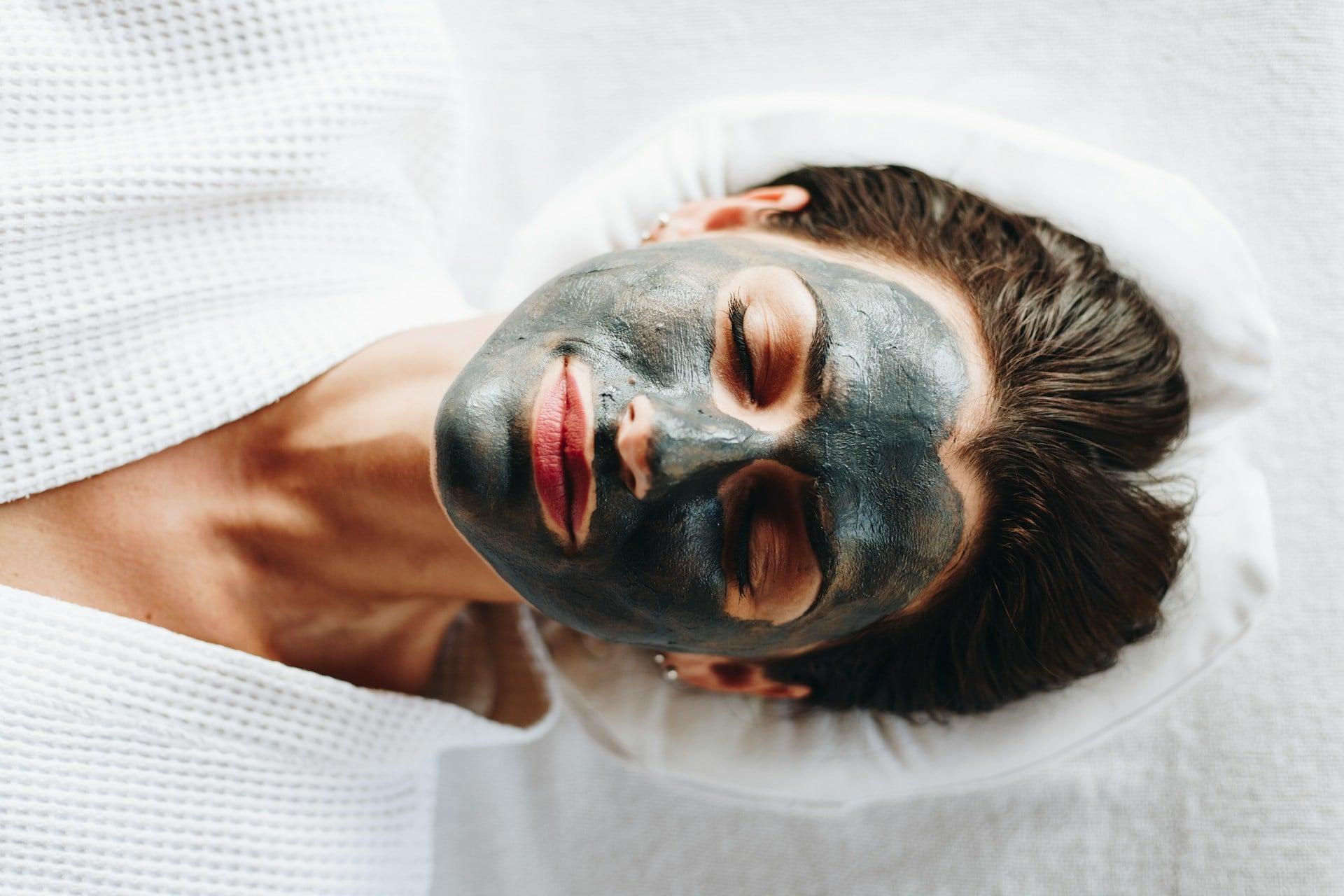
Clay masks have earned their cult status for good reason. Rich in natural minerals, they work like a magnet on your skin — drawing out impurities, absorbing excess oil, and visibly tightening pores. As temperatures rise in spring and sebum production increases, they become especially valuable for anyone with oily or combination skin.
Using a clay mask correctly makes all the difference. Start with a thorough cleanse, then apply an even layer across your face, carefully avoiding the eye and lip area. Leave it on for 10 to 15 minutes — just until it dries — then rinse off with lukewarm water. Don't push it beyond that window. Leaving clay on too long can strip your skin and cause irritation rather than relief.
How to deeply nourish your skin with a hydrating mask
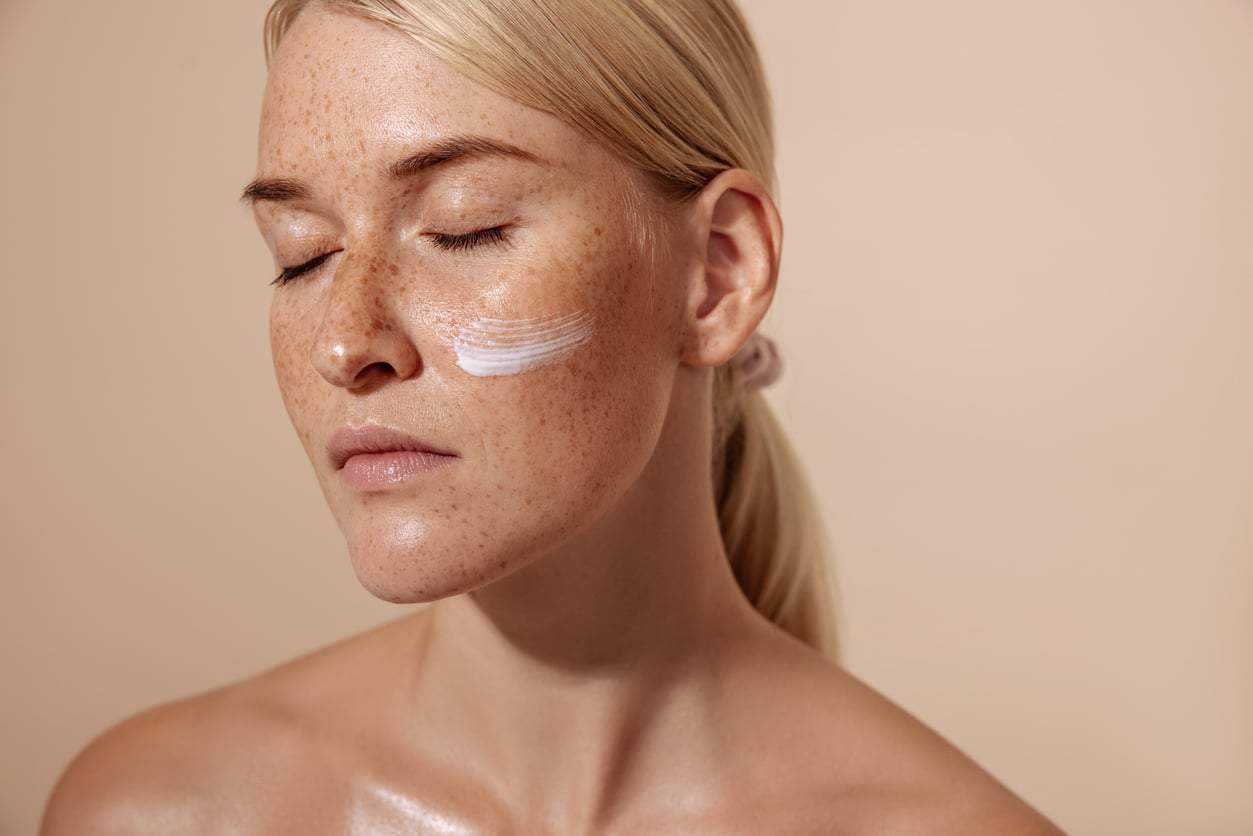
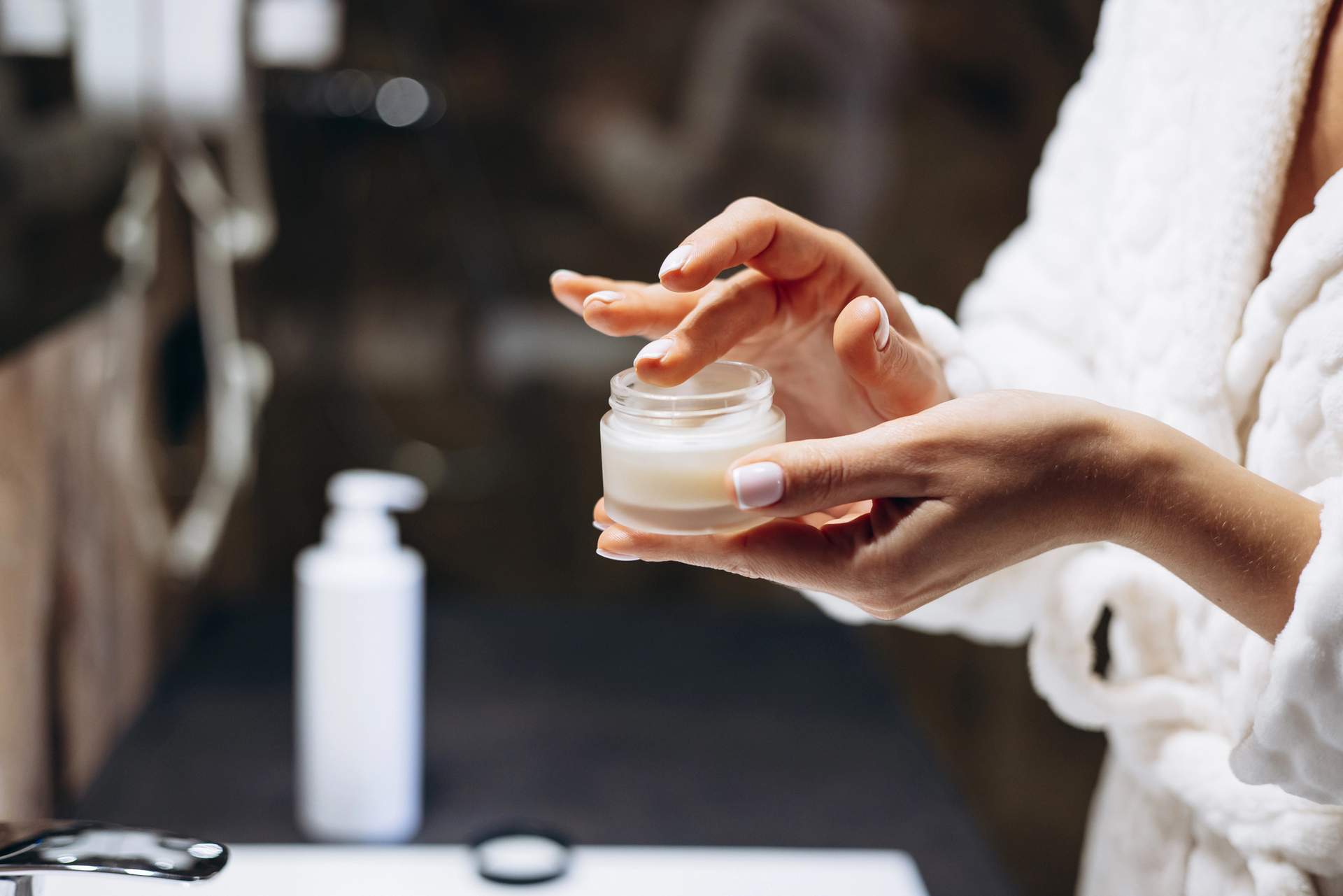
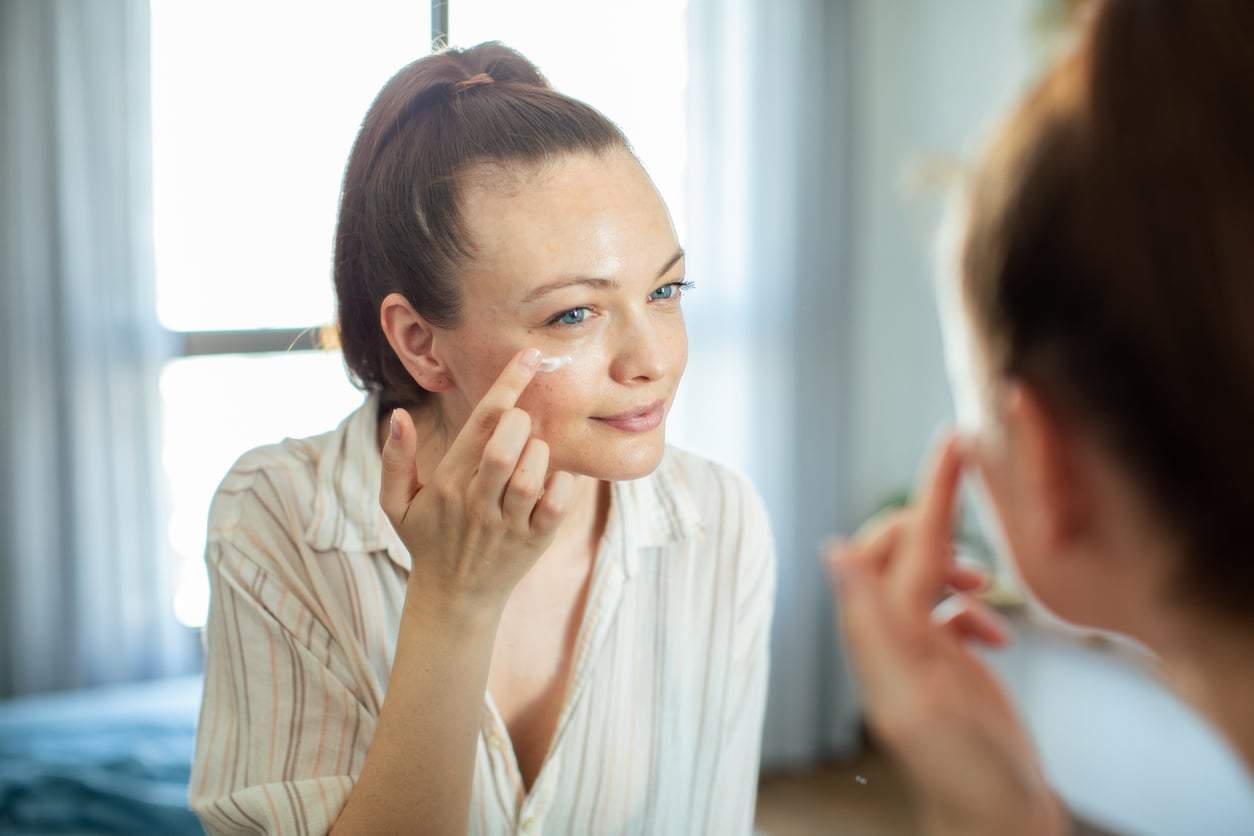
After a clay mask does its cleansing work, your skin is primed and ready to absorb — which is exactly when a hydrating mask becomes most powerful. Hydrating masks are designed to replenish moisture at a deeper level and restore the skin's natural elasticity. Look for formulas containing hyaluronic acid, aloe vera, or glycerin, all of which help lock in long-lasting hydration.
Apply your hydrating mask to clean, dry skin immediately after rinsing off the clay mask. Let it work for 15 to 20 minutes, then either gently massage in any remaining product or rinse, depending on the formula. The result is noticeably softer, plumper, and more radiant skin — the kind that actually looks healthy, not just moisturized.
The real power of combining both masks
Using these two masks together isn't just convenient — it's genuinely effective. The combination perfectly balances deep cleansing with deep nourishment, addressing both excess oil and dehydration in a single session. The clay clears the way, and the hydrating mask steps in to restore what your skin needs most.
Used together once a week, this two-step mask routine can help maintain skin clarity and long-term health. The order matters — getting the sequence right ensures each step works at its full potential.
This approach is especially effective in spring, when skin is adjusting to warmer air, more sun exposure, and shifting humidity levels. Think of it as a weekly reset for your face.
Tips for getting the most out of your mask routine
- Always cleanse your skin thoroughly before applying any mask — it makes every ingredient work harder.
- Limit clay mask use to a maximum of twice a week to avoid over-stripping or irritating your skin.
- Always follow the clay mask with a hydrating mask to seal in moisture and restore balance.
- Choose fragrance-free, dermatologically tested formulas, especially if your skin is sensitive.
A well-structured spring face mask routine is one of the simplest ways to get ahead of seasonal skin stress. By keeping cleansing and hydration in harmony, you set your skin up beautifully for the warmer months — fresh, balanced, and genuinely cared for.