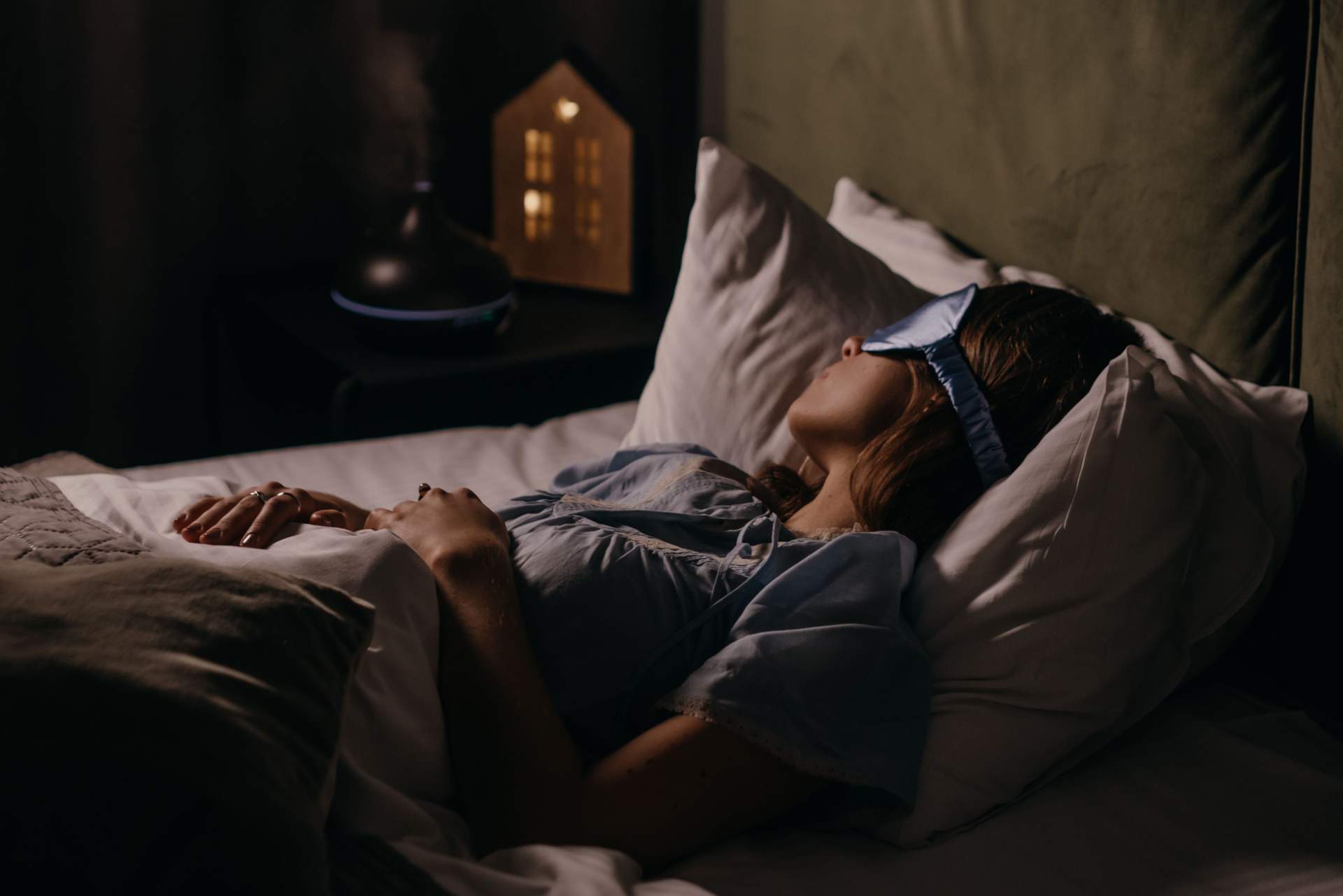
Ever wake up after a night of tossing and turning, feeling like your alarm clock is your worst enemy? You’d probably rather hide under the covers than head to the gym. But surprisingly, sometimes moving your body is exactly what helps you feel better—just make sure you pick the right workout.
Experts agree that regular exercise naturally improves sleep quality, so if you’re not active yet, this is a great reason to start. Neurologist Dr. Jeffrey Durmer explains that physical activity boosts the production of a brain chemical called adenosine, which helps you enjoy deep, restful sleep. “Exercise can help reset your body’s rhythm,” he says.
But not every workout is a good idea after a sleepless night. Let’s explore when it’s better to take it easy and when a simple walk in the sunlight is your best bet.
When to Skip the Intensity?
If you barely slept, your body isn’t firing on all cylinders. Your neuromuscular system—the teamwork between muscles and nerves—responds slower. This can throw off your balance, make your movements less precise, and increase your risk of injury. That’s especially true when lifting heavy weights or doing complex moves like squats or deadlifts.
Research shows that sleep deprivation significantly lowers your maximum strength, so don’t expect a breakthrough workout if you’re running on little rest. Plus, poor performance can hit your confidence and make you less motivated for the next session.
The same caution applies to intense cardio. A hard sprint or a tough spinning class without enough sleep can strain your heart, causing your pulse or blood pressure to spike. “Sleep loss increases the chance of irregular heart rhythms,” warns Dr. Durmer. While not dangerous for everyone, it’s smart to dial down the intensity.
What Feels Good When You’re Sleep-Deprived?
If you don’t want to skip exercise completely, opt for lower-intensity activities like:
- light strength training with your body weight or light weights
- easy-paced running or cycling
- swimming or rowing at a moderate effort
- short full-body circuit workouts
The key is to stay in the 60–70% heart rate zone and avoid pushing to your max. Dr. Durmer recommends 30–45 minutes—enough to refresh you without wearing you out.
Even with lighter exercise, benefits come through: higher adenosine levels boost your chances of sleeping better the next night, and you’ll likely feel more alert and energized right after your workout. Plus, combining movement with morning sunlight can give your mood an extra lift.

What If Your Night Was Truly Rough?
We all know those mornings when you’re counting the minutes until the alarm rings. If you only got two or three hours of sleep, it’s totally normal to feel like even light exercise is out of reach.
In that case, a morning walk outside is your best bet. Aim for 30–60 minutes if you can, or just 15 minutes walking plus 15 minutes resting on a bench in the sunlight. This helps keep your body clock on track and improves your chances of better sleep the next night.
After a bad night, you don’t have to skip exercise entirely, but listen to your body and choose gentler options. Light movement supports recovery, lowers injury risk, and helps you get through the day more smoothly. Remember, this isn’t about breaking records—it’s about recharging.