You’ve probably felt the frustration of tossing and turning all night. Insomnia doesn’t just leave you tired—it can also lead to serious health issues over time.
There are many ways to enjoy a peaceful night’s rest, but one of the simplest and most natural is using breathing techniques. While medications and sleep aids might offer short-term relief, breathing exercises provide an effective, side-effect-free solution.
These techniques calm your mind, reduce stress, and support your body’s natural sleep rhythms.
What Is the 4-7-8 Breathing Technique?
The 4-7-8 breathing technique, created by Dr. Andrew Weil, is a simple yet powerful method anyone can learn. It works by creating calming breathing patterns that promote relaxation. It’s especially helpful if you face daily stress and anxiety.
Step-by-Step 4-7-8 Technique
This method is easy to do and only takes a few minutes:
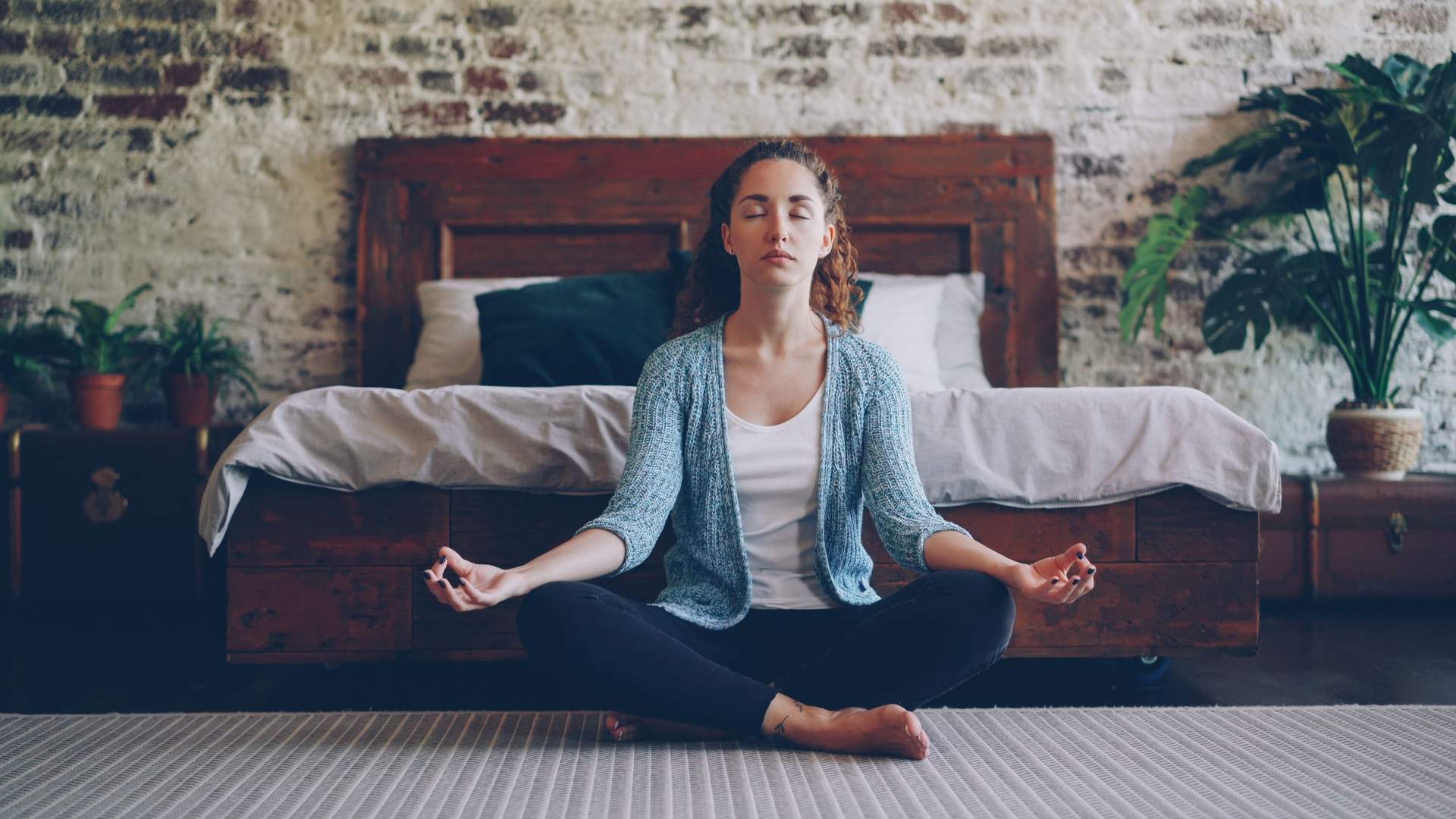
- Find a quiet spot to sit or lie down comfortably.
- Place the tip of your tongue against the ridge behind your upper front teeth and keep it there throughout.
- Exhale fully through your mouth, making a soft “whoosh” sound.
- Close your mouth and inhale quietly through your nose while slowly counting to four.
- Hold your breath and count to seven.
- Exhale completely through your mouth with the same “whoosh” sound, counting to eight.
- Repeat this cycle three more times for a total of four breaths.

The Science Behind the Technique
Sleep experts and health professionals support this technique because the 4-7-8 breathing helps calm your nervous system. The extended exhale releases tension, while the slow inhale through your nose brings extra oxygen to your lungs, enriching your blood and encouraging full-body relaxation.
How to Use It
You can use the 4-7-8 technique anytime you need a moment of calm—whether before bed or during the day. It helps clear your mind, ease anxiety, and prepares you mentally and physically for whatever lies ahead. When you’re tired, it offers a quick, quality break that recharges your energy.
Overcoming sleep troubles is just one benefit of this amazing breathing method. It also reduces ongoing stress and anxiety, boosts your overall well-being, and strengthens your long-term health. As you make this practice part of your daily routine, you’ll notice a growing sense of peace and balance that supports you every day without question.