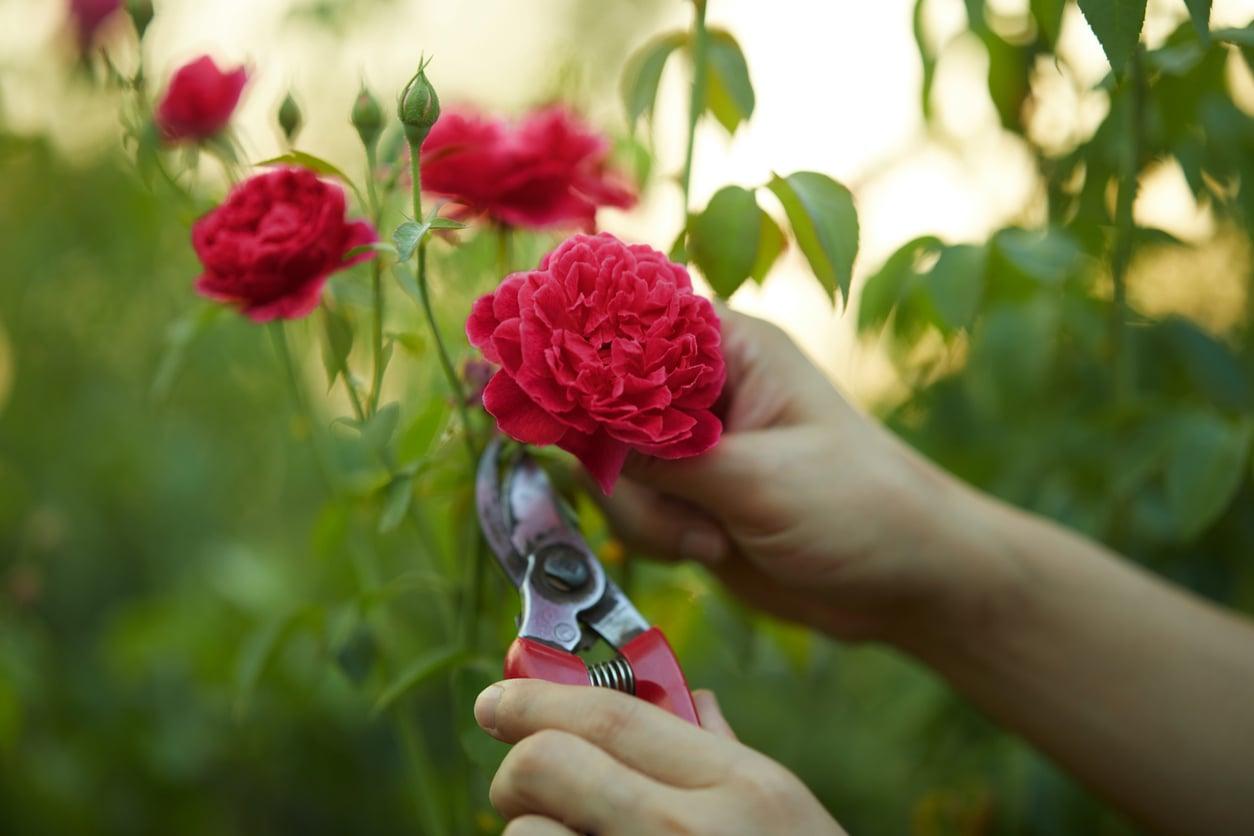
Pruning isn’t just about keeping plants healthy—it also helps your garden look its absolute best. In this article, I’m sharing five handy and effective tips that will guarantee your garden bursts into bloom.
Get to Know Your Plants
A key step for successful spring pruning is to understand the unique needs of each plant you care for. Every species has its ideal pruning time and method. Pay special attention to ornamental shrubs, roses, and fruit trees, as these are the most common spring pruning candidates.
For example, roses are usually pruned in March, once the frost risk has passed and buds start to swell. On the other hand, some fruit trees, like cherry trees, are best pruned in late fall or winter to avoid fungal infections.
Use the Right Tools
Just like with any gardening task, using the right tools is essential. Pruning shears, loppers, and saws all play a crucial role in precise work. When buying, make sure your tools are sharp and well-maintained, because dull tools not only make the job harder but can also harm your plants.
Also, always sterilize your tools before and after pruning to prevent spreading infections between plants. A simple alcohol wipe or disinfectant spray can be a big help.
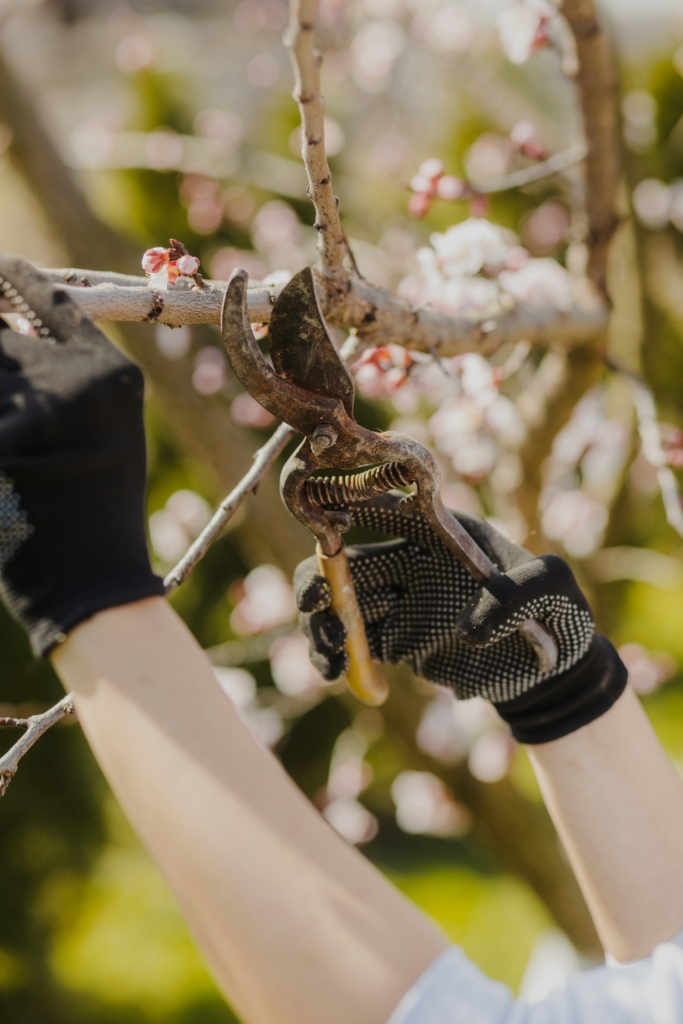
Creating the right shape guides growth and helps your flowers bloom fuller and more beautifully.
For many perennials, a round or vase shape works best, while hedges and bushes often look great trimmed into rectangular or square shapes.
A helpful tip is to always cut just above the shoots. This encourages growth in the direction you want and helps prevent losing larger branches.
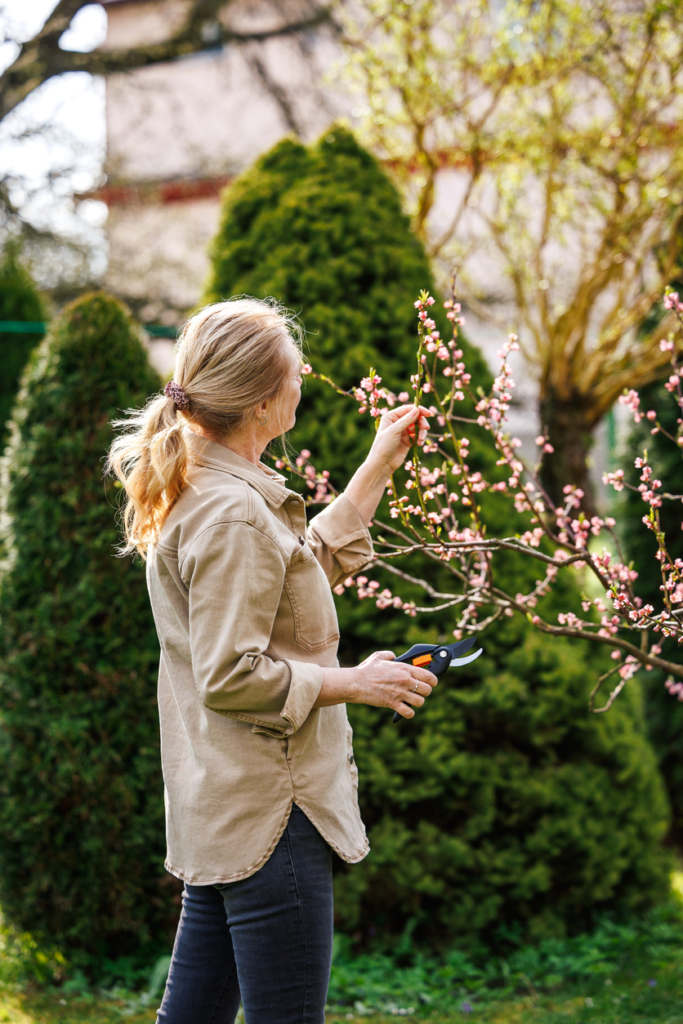
Prune at Different Depths
Many make the mistake of pruning too deeply, which stresses plants and reduces flowering. To avoid this, try pruning at varying depths. Cut deeper on some branches and shallower on others.
This helps your plants adapt more easily and encourages new shoots to grow confidently. Plus, it prevents uneven or overly sparse growth.
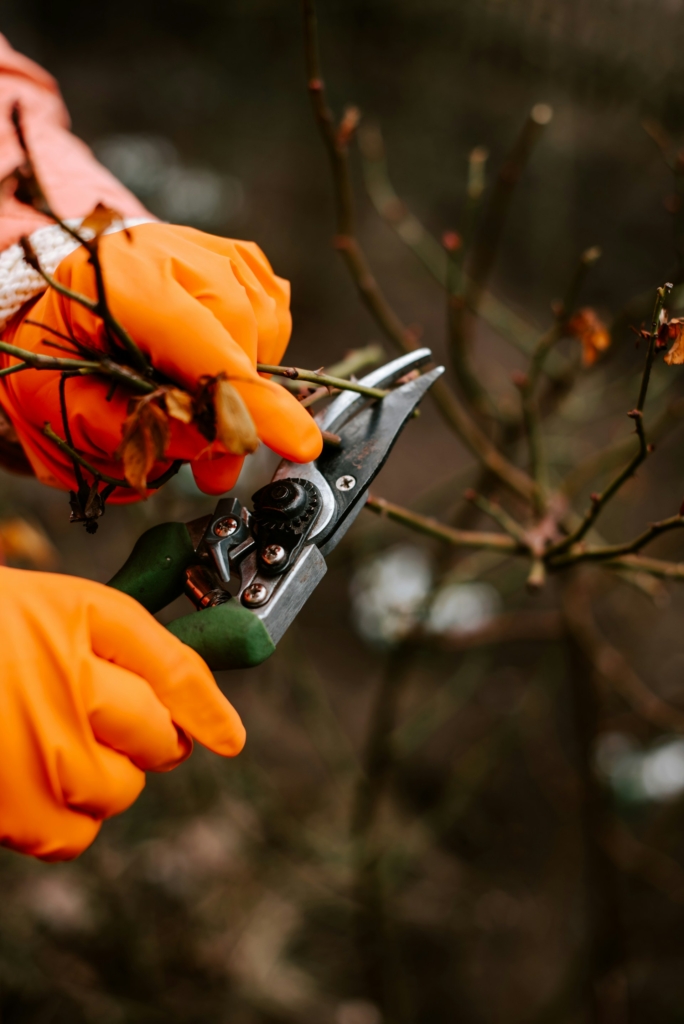
Don’t Forget to Feed
After pruning, plants are especially sensitive to nutrient shortages. To support them, it’s worth applying a little garden fertilizer or compost. This ensures they have the nutrients needed for quick recovery and new growth.
Remember, overfeeding can be harmful, so always follow the instructions on the product packaging. Balanced nutrition helps your garden stay stunning and healthy.
Follow these five simple tips, and you’ll transform your garden into a vibrant paradise, enjoying a stunning floral display all spring and summer long.