Hügelkultur is an exciting gardening innovation that’s been gaining popularity among sustainability-minded gardeners in recent years. Originally developed in Germany, this technique builds layered beds using wood and plant debris. As the wood decomposes, it continuously feeds the soil, helping your plants grow healthier and stronger.
The Basics of Hügelkultur
The key to hügelkultur is layering, a natural process inspired by nature itself. You start by placing the thickest wood pieces—like large branches or logs—at the bottom. These break down over time, enriching the soil with nutrients. Next come thinner branches and twigs, followed by leaves and other green waste.
On top, add a layer of quality compost and soil so your plants can start growing right away. Each layer decomposes at a different pace, providing a steady nutrient supply and excellent drainage for your plants.
Why This Method Works So Well
One of hügelkultur’s biggest benefits is how it optimizes soil nutrition. The layers break down at different speeds, so your plants get a constant supply of nutrients. This sustainable feeding system is perfect for eco-conscious gardeners wanting to avoid synthetic fertilizers.
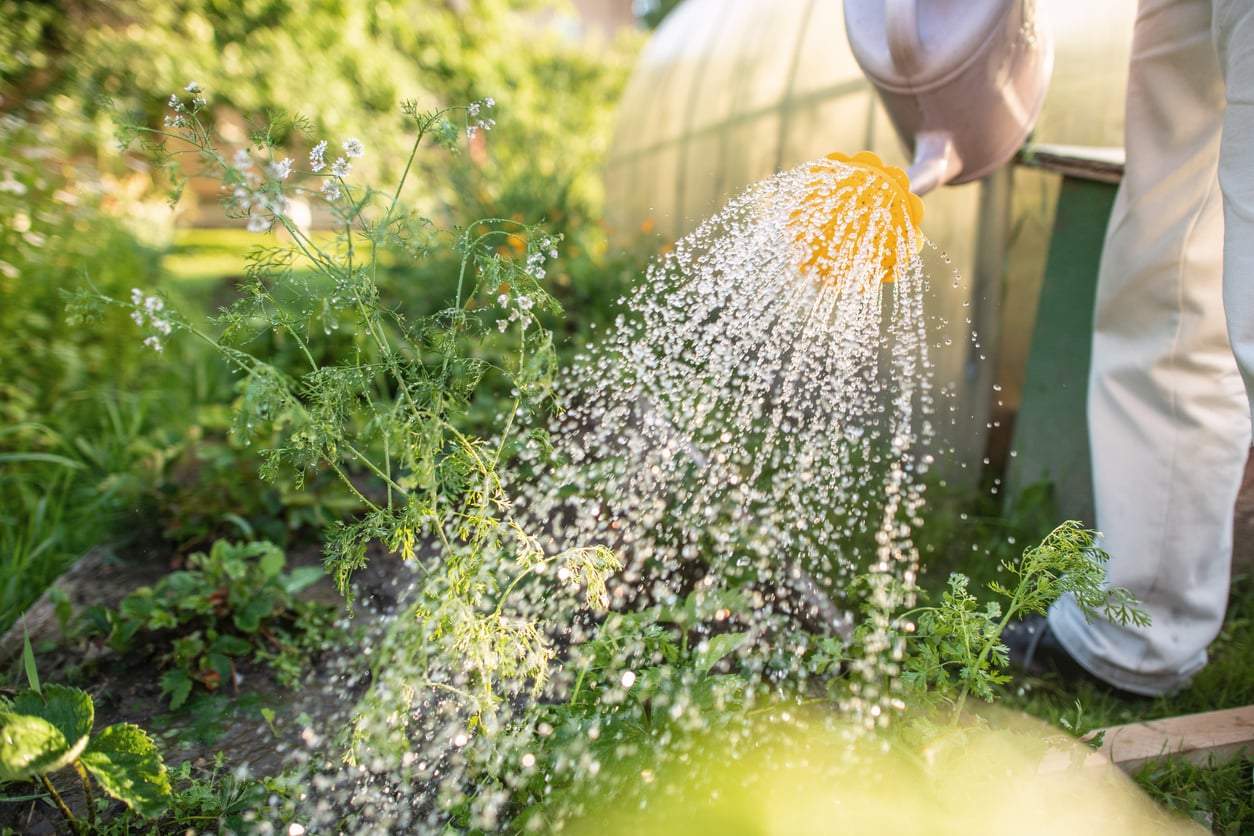
Hügelkultur also excels at retaining moisture. The wood soaks up water and releases it slowly, which is a lifesaver during dry spells or in areas with limited water. It’s a smart choice if you want to spend less time watering and more time enjoying your garden.
How to Build a Hügelkultur Bed
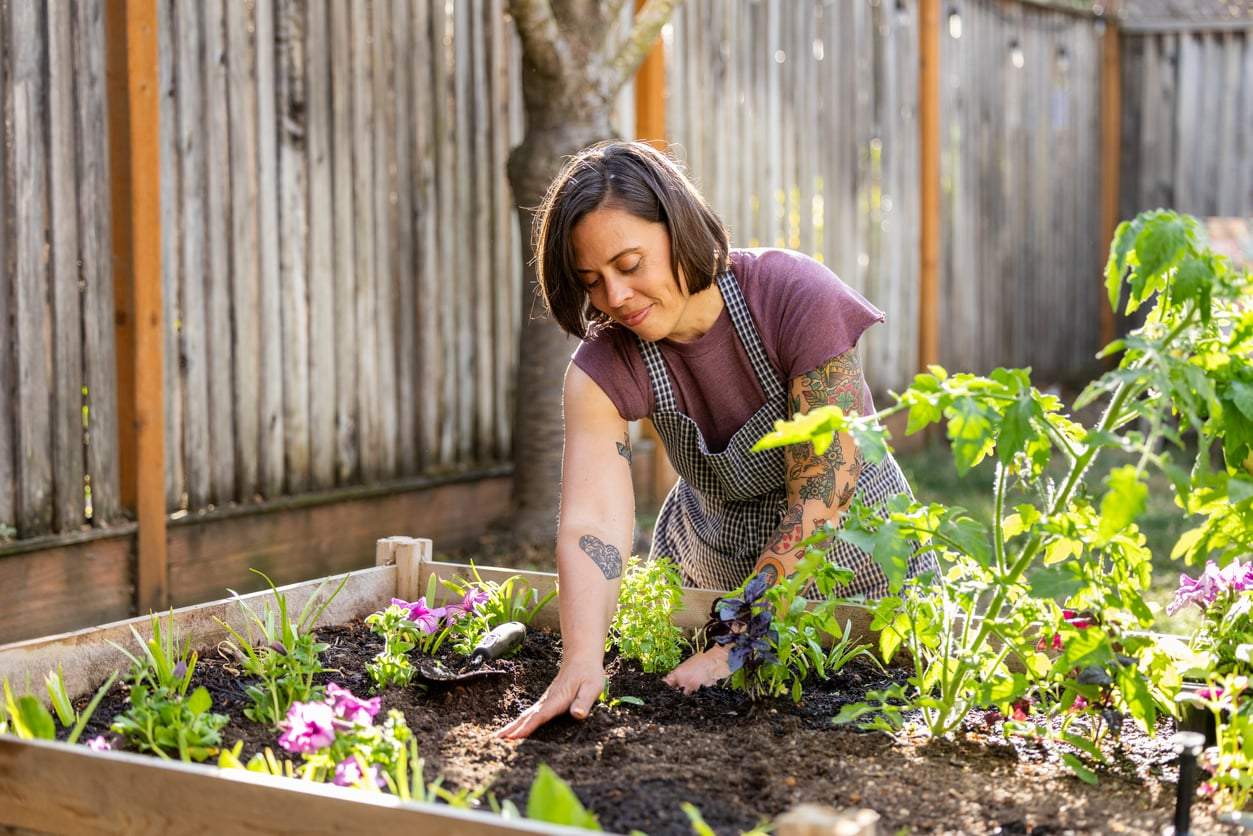
Building a hügelkultur bed takes a bit of planning but is straightforward. First, pick a sunny spot in your garden. Dig a trench to start layering—aim for at least 60 cm (24 inches) deep to fit enough wood.
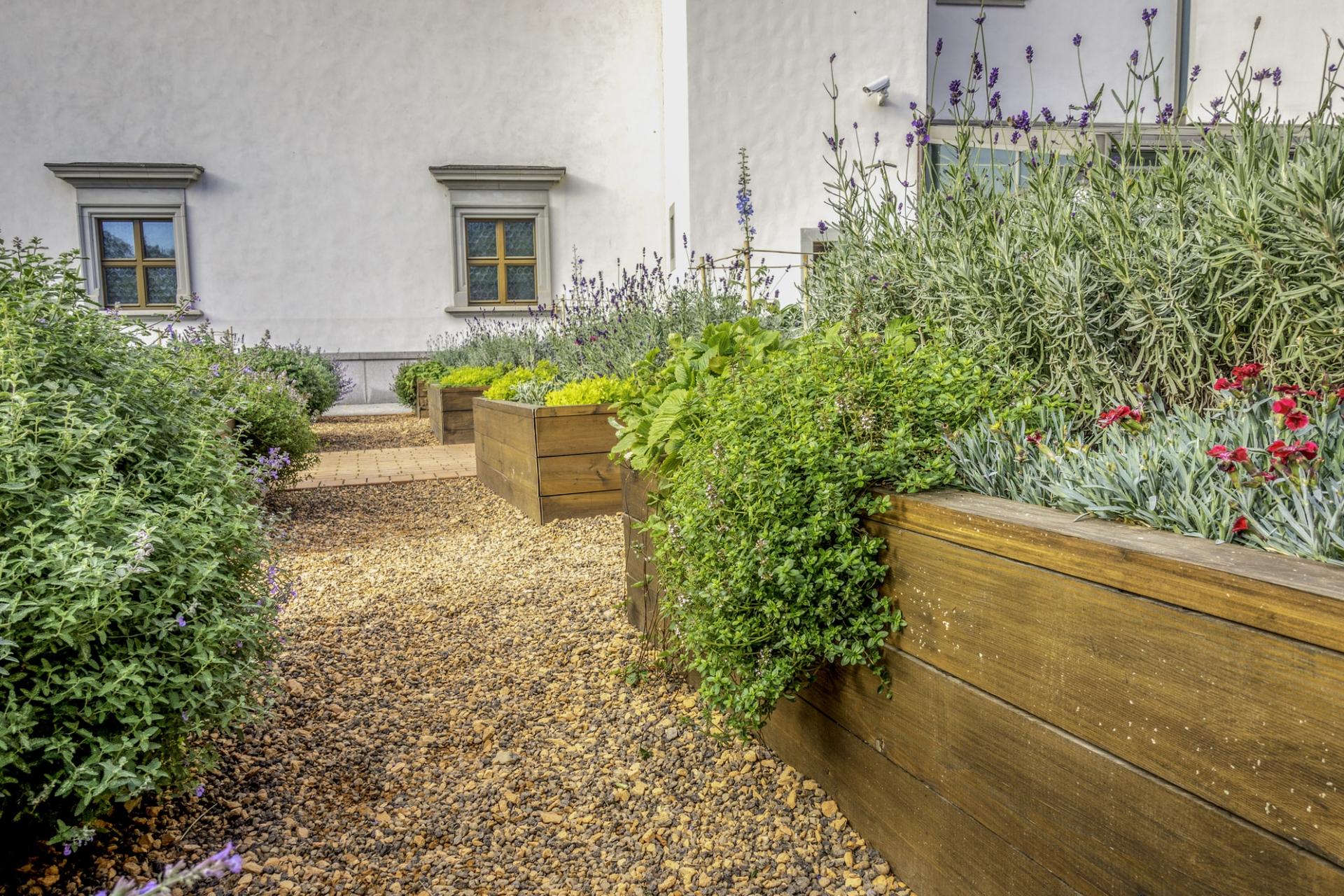
Place the thick wood pieces at the bottom, then add thinner branches, leaves, and compost in layers. Press each layer firmly for stability. Finally, cover it all with soil and plant your favorites. Keep in mind the bed will settle as the wood decomposes, so build it a bit higher at first.
Environmental Benefits and Sustainability
Hügelkultur supports sustainable gardening by using natural waste materials, reducing what ends up in landfills. It also boosts biodiversity by creating varied microhabitats for soil life within the layers.
Recycling garden waste this way enriches your soil and helps shrink your carbon footprint by cutting down on waste transport. Hügelkultur is a win-win for your garden and the planet.
While hügelkultur beds are mostly self-sustaining, they do need occasional care. Adding fresh compost layers now and then keeps nutrients flowing. Don’t forget to weed regularly—unwanted plants can steal vital nutrients and light from your crops.
Hügelkultur offers an inspiring path for sustainable gardeners. These beds aren’t just eye-catching—they’re practical, eco-friendly solutions for anyone wanting to live closer to nature. This innovative approach boosts your plants’ growth while protecting our environment. Dive into hügelkultur and turn your garden into a thriving sustainability hotspot that benefits your life and our planet’s future.