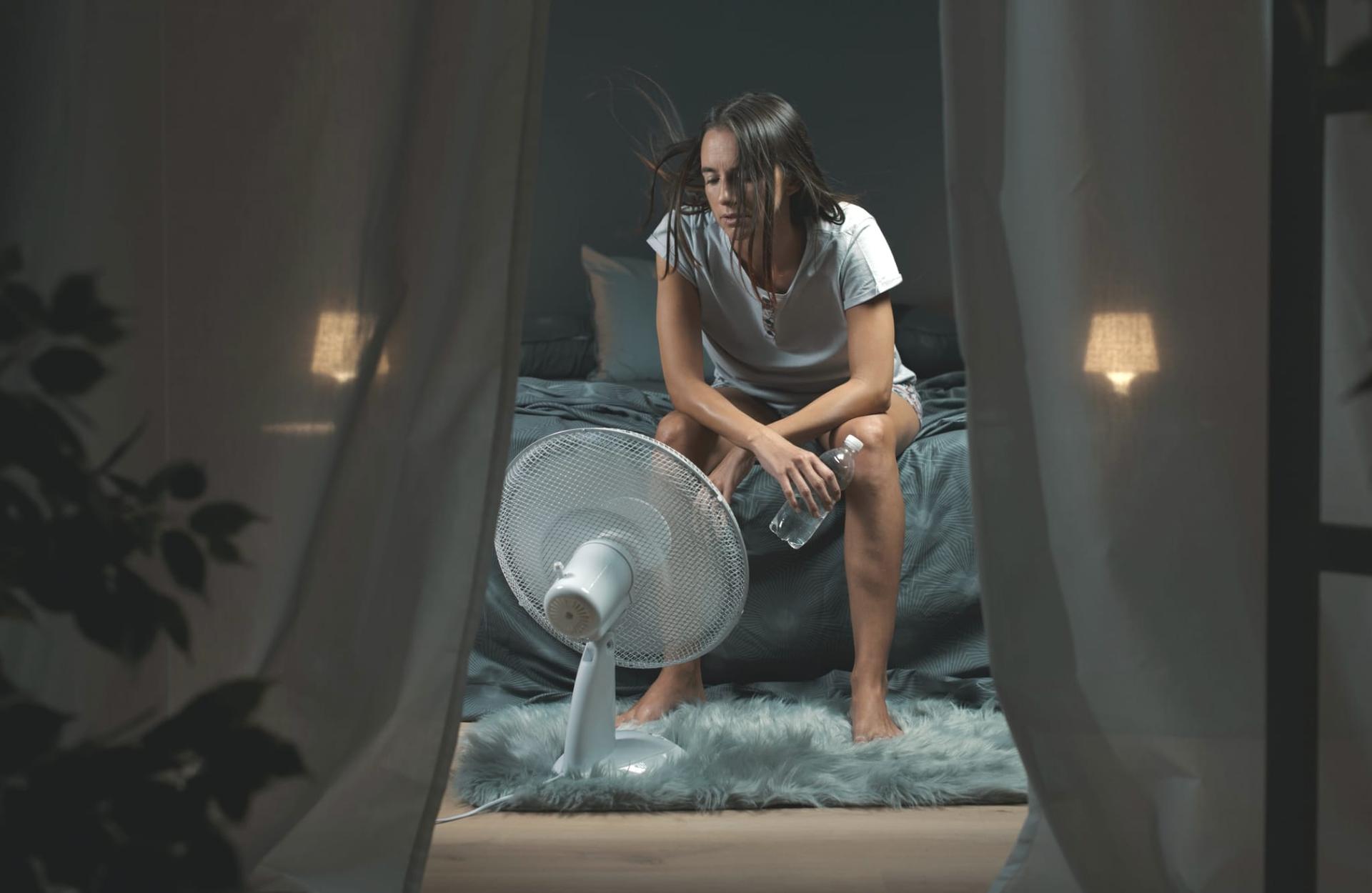
On hot summer nights, using a fan might seem like the easiest way to stay cool while you sleep. But experts suggest thinking twice about how you use it overnight. While it may feel helpful at first, a fan can also bring some unexpected downsides.
Why Rethink Using a Fan Overnight?
Many believe a fan is a go-to solution, providing airflow that cools the room and creates a refreshing breeze for sleep. But constant airflow at night can cause more health issues than it solves for some people.
First, don’t overlook the effects of dry air: prolonged fan use can dry out your skin and mucous membranes, which can be uncomfortable during longer sleep periods.
Dry eyes are also a common complaint among those who keep the fan on while sleeping.
Attention Allergy and Respiratory Sufferers
If you have allergies or respiratory issues, it’s especially important to be cautious with fan use. The airflow can stir up dust, pollen, and other allergens in the room, which may trigger allergic reactions or breathing difficulties.
This can be particularly risky for asthma sufferers, as airborne irritants might cause serious breathing problems. A well-ventilated room with closed windows and optimal humidity is often a safer, more comfortable choice for nighttime rest.
Muscle Tension Caused by Fans
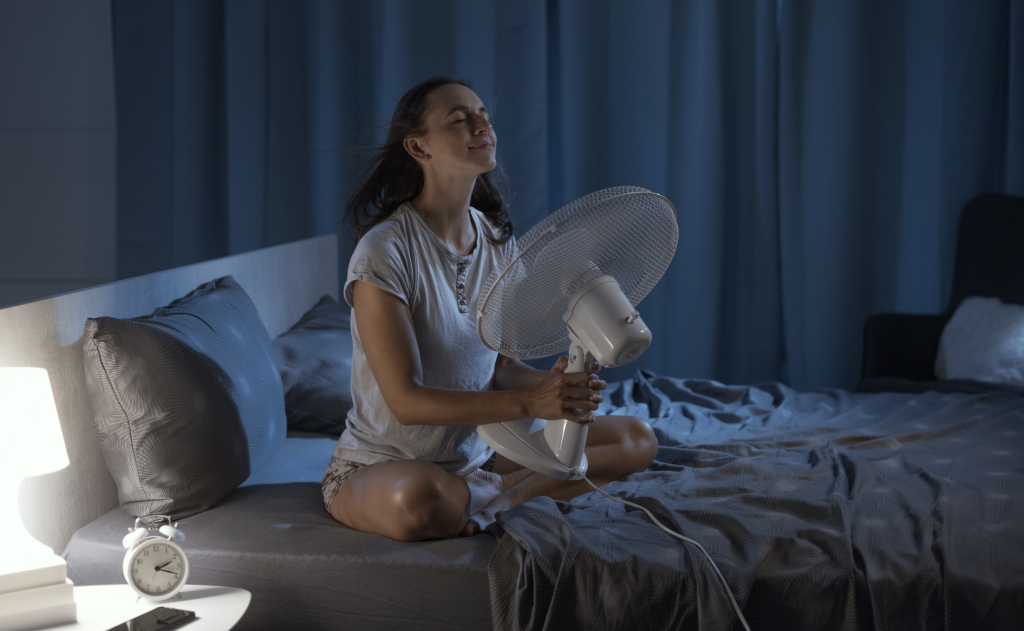
Less known but just as important is the muscle tension caused by cold airflow from a fan. Sleeping with a direct cold breeze all night can tighten muscles, leading to neck, shoulder, and back pain—and potentially chronic issues.
In these cases, alternative cooling methods like air conditioning or natural ventilation that provide even airflow can be gentler and more effective.
Better Options for Hot Summer Nights
If you realize a fan isn’t always the best overnight cooling option, it’s time to explore alternatives. A modern air conditioning system with precise temperature and humidity control can make nights safer and more comfortable.
Not everyone can install AC, so other effective options include keeping windows and doors open at night when safe, or using a damp towel with a fan or AC to cool your body gently.
Creating the Ideal Sleep Environment
Setting up the right sleep environment is key for safe, restful nights. Choose soft cotton bedding that wicks moisture and allows airflow. Regularly airing out your room, shading it during hot daylight hours, and controlling bedroom temperature all help create cozy sleep conditions.
For a truly refreshing sleep, cool your room naturally in the evening while avoiding overly dry air. These conditions support uninterrupted sleep cycles and help you wake up feeling noticeably fresher.