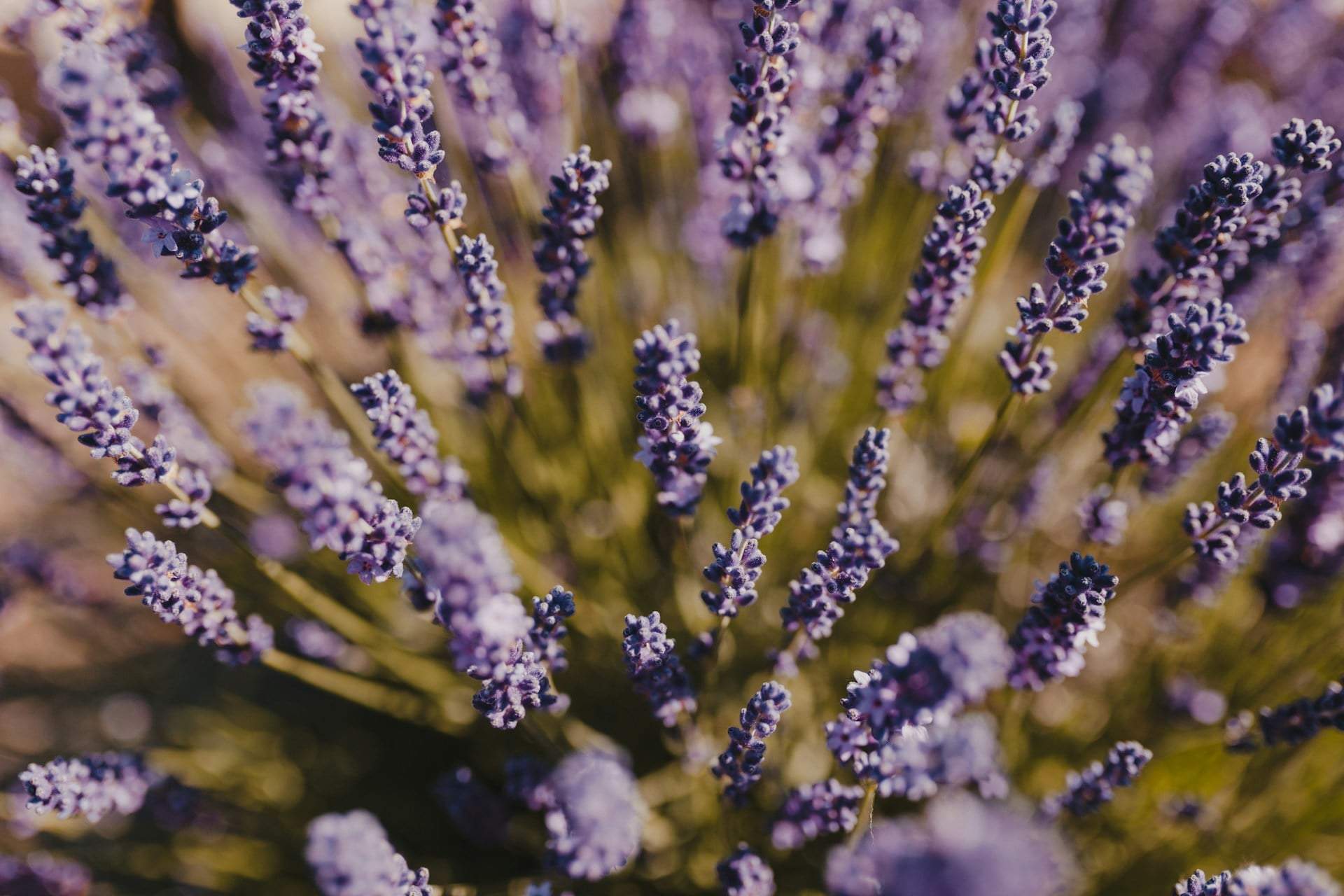
Few things in a garden are as rewarding as lavender in full bloom — that wave of purple, the calming scent, the bees hovering lazily around it. But if you've ever pruned your lavender and watched it struggle the following season, there's a good chance one small mistake was to blame.
When is the right time to prune lavender?
The best time to prune lavender is in spring, once the risk of frost has passed but before the plant kicks into active growth. This window gives you the chance to remove any winter-damaged or dead stems while shaping the base for healthy new shoots.
Autumn pruning should be light — a gentle tidy rather than a hard cut. Leaving some growth on the plant through the colder months helps protect it from frost damage and gives it a better start come spring.
How to prune lavender without killing it
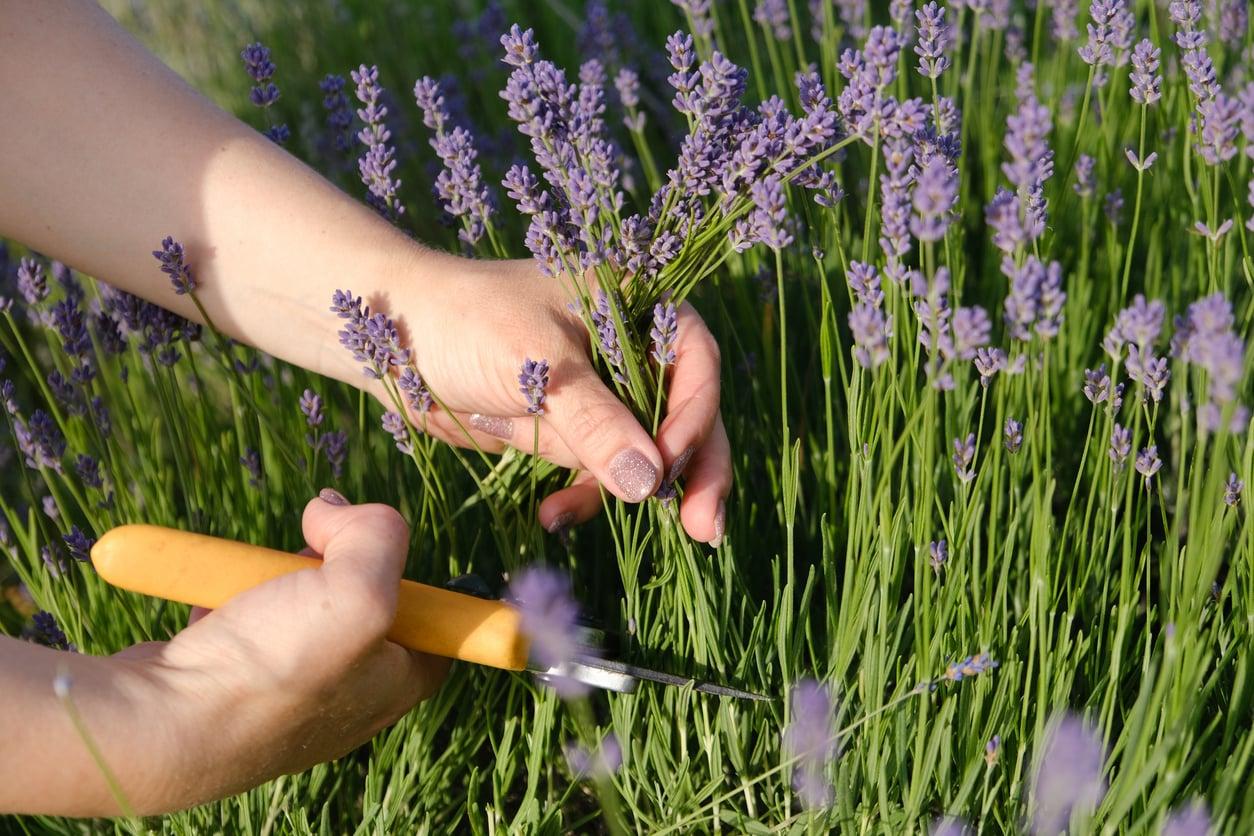
Always start with clean, sharp secateurs. A blunt or dirty blade can introduce infection and cause more harm than good. As you cut, aim to maintain the plant's rounded shape and avoid letting the centre become too dense — poor airflow in the middle encourages fungal problems.
The golden rule: cut back by about a third, but never cut into the old woody stems at the base. If you go too deep, the lavender won't regenerate properly — and next year's flowering will be sparse at best.
This is the single most common mistake gardeners make. The woody base of lavender simply doesn't produce new growth the way younger stems do. Once you cut into it, the plant struggles to recover.
Common mistakes to watch out for
Beyond cutting too hard, there are a few other pitfalls worth knowing:
- Pruning at the wrong time — too early and a late frost can damage fresh cuts; too late and you risk stressing the plant during active growth.
- Pruning in wet weather — moisture on fresh cuts creates the perfect conditions for rot and disease. Always prune on a dry day.
- Neglecting aftercare — once you've pruned, make sure your lavender has good drainage and access to nutrients. A little care at this stage makes a big difference to how well it bounces back.
A few things worth knowing about lavender
Lavender is far more than a pretty garden plant. The essential oils extracted from its flowers have well-documented stress-relieving and antibacterial properties, which is why it's been used in everything from aromatherapy to natural skincare for centuries.
Keeping your lavender healthy through proper pruning means you get to enjoy both its beauty and its benefits year after year. It really does reward a little attention.
Get the timing right, respect the woody base, and your lavender will repay you with generous blooms every single summer.